The look of dense, full lashes is traditionally associated with extensions. In professional practice, however, another approach is increasingly used – creating visual density through lash lamination. This technique enhances the lash line, adds depth and expressiveness, and does so without adding artificial fibers. In training programs at leading manicure and pedicure schools in Munich, the topic of achieving visual density without extensions is an important part of educating future lash artists.
What Visual Density Means and How It Differs From Volume
Visual density is an optical effect in which the lash line appears darker, more even, and more continuous. Unlike volume created by adding extra hairs, density is formed by the position, structure, and coloration of the natural lashes. When the lashes are lifted from the root, aligned in parallel, and clearly separated, they create a solid contour that the eye perceives as fuller and thicker.
The Role of Direction and Lift
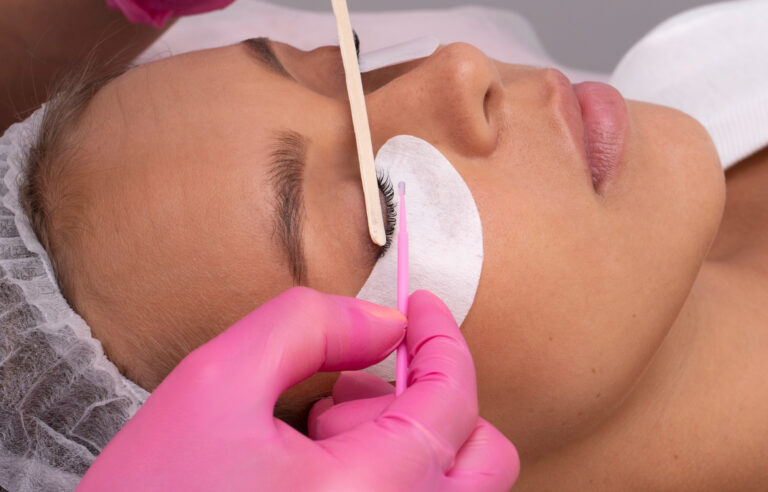
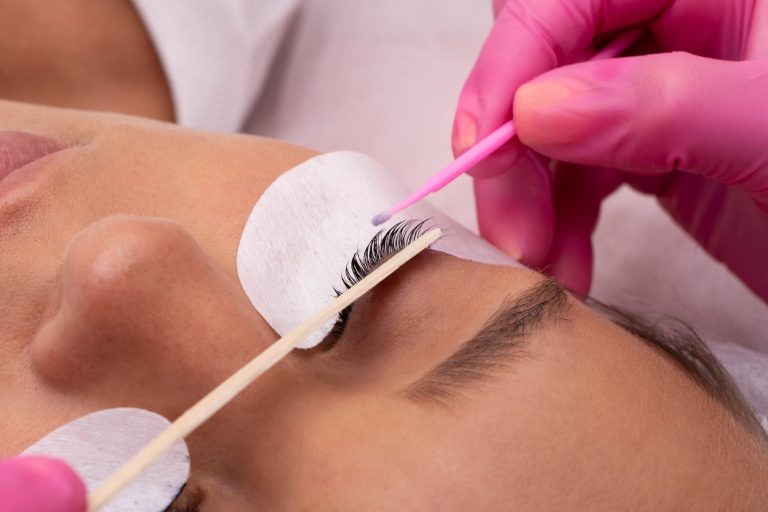
A key factor in visual density is the angle at which the lashes emerge from the lash line. When the hairs are directed upward evenly and do not cross each other, visual gaps disappear. During lamination, the technician fixes the lashes on silicone pads so that each lash is opened and isolated, yet together they form a dense, continuous row.
Darkening the Root Area as a Tool for Density
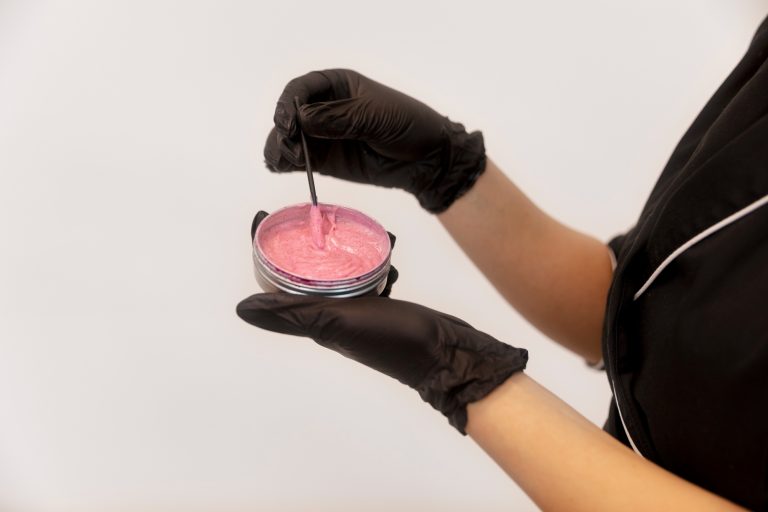
Tinting during lamination increases contrast at the root. A darker base line creates the impression of a thicker lash line, even when the natural number of lashes is limited. This shadow at the root gives depth and produces an effect similar to a soft eyeliner, making the lashes appear visually denser.
How Hair Structure Influences the Result
Fine and light lashes look thicker after lamination because keratin-based and conditioning components smooth the surface and visually even out the diameter. A uniform structure reflects light better, so the lashes appear more homogeneous and compact in the row.
Pad Selection and Shape Control
To achieve density, it is important to avoid an excessively strong curl. An overly dramatic lift can visually break the line and reduce the sense of fullness. A moderate lift with a smooth transition from the root creates the most even and dense-looking contour.
Typical Mistakes That Reduce Visual Density
Common mistakes include choosing the wrong pad size, uneven fixation, insufficient tinting of the root area, and crossing of lashes due to poor separation. These factors can make the lash line look sparse, even when high-quality products are used.
Key Points About Visual Density With Lamination
Visual fullness is created by the position and direction of the lashes, not by their number. Root-area tinting enhances the impression of a continuous, dense line. A controlled lift is more effective than an extreme curl. Lamination visually smooths and thickens the hair structure. Professional pad selection and precise fixation determine the final result.