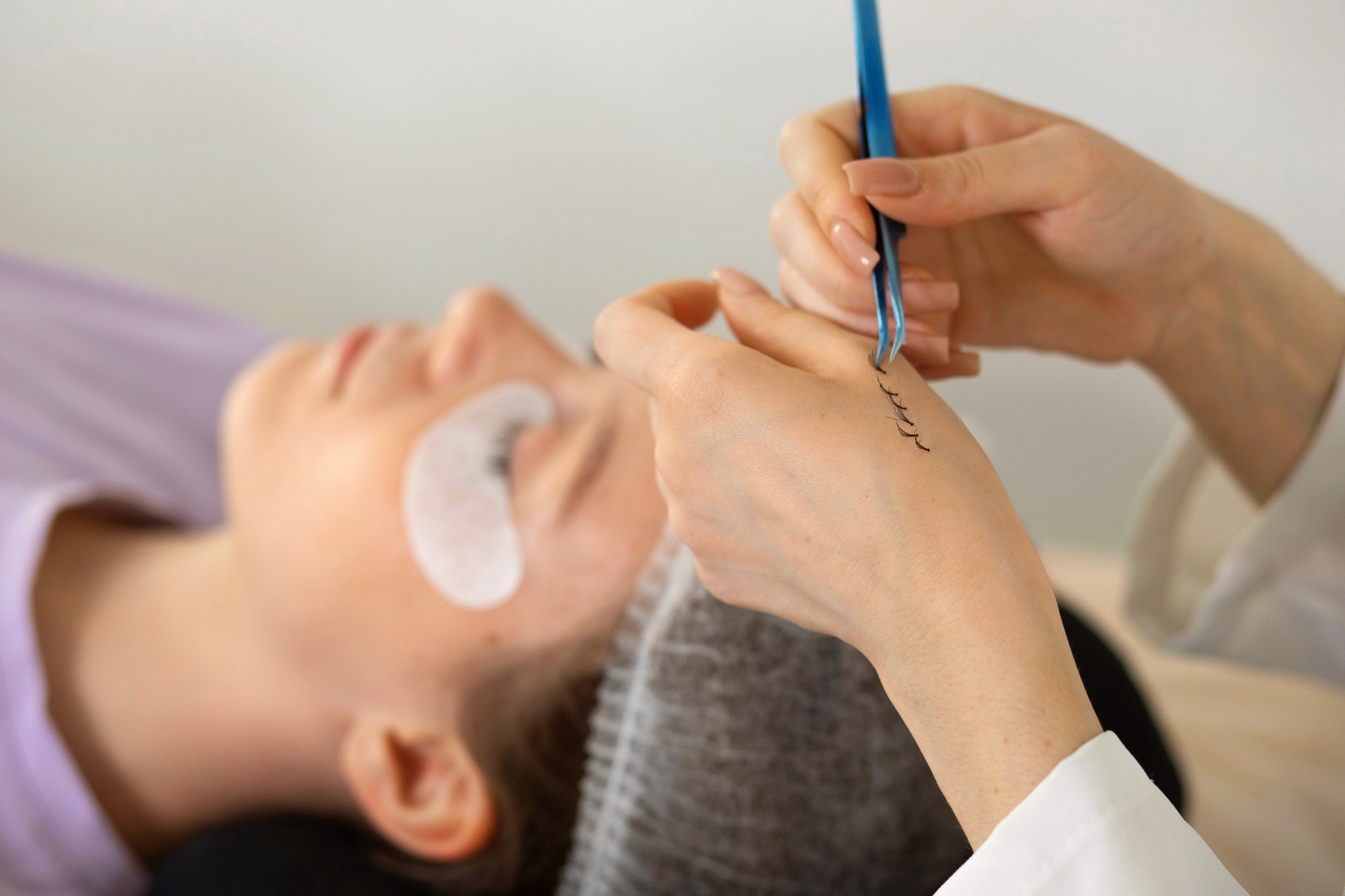
The success of an eyelash extension or lash lift procedure begins long before the first synthetic lash is applied. It starts with a detailed assessment of the client’s natural eyelashes. Without this analysis, even the best technique may cause poor results or even damage. At MONLIS Schule in Munich, we teach our students to assess lash health thoroughly and professionally – a crucial step to ensure safety, durability, and individualized results.
Why Eyelash Analysis Is Essential
Skipping the analysis can lead to:
-
Overloading and breakage of the natural lashes
-
Poor retention of lash extensions
-
Inappropriate design for the client’s eye shape
-
Irritations or allergic reactions
At MONLIS Schule, we teach how to identify the condition of lashes and select the best materials and methods accordingly.
Key Parameters to Examine Before Treatment
1. Lash Density and Distribution
-
Helps determine the technique (classic, volume, hybrid)
-
Sparse lashes require lightweight fans or a natural effect
2. Length and Growth Direction
-
Short lashes must not be overloaded with long extensions
-
If lashes grow in different directions, isolation becomes more challenging
3. Thickness and Elasticity
-
Thin lashes require lighter and finer extensions (e.g., 0.05 mm)
-
Lash flexibility influences curl choice and glue performance
4. Lash Growth Phase
-
Extensions hold best during the active growth phase
-
If many lashes are shedding or in the resting phase, it’s better to postpone or choose gentle techniques
5. Skin Sensitivity and Eye Structur
-
Sensitive clients require hypoallergenic glue and materials
-
Eye shape, lid fold, and natural lash line affect curl and styling decisions
Eyelash Assessment Process at MONLIS Schule
-
Client Interview – Ask about previous procedures, allergies, lifestyle
-
Visual Examination with Magnifier or Microscope – To assess density, length, direction, and lash health
-
Photographic Documentation – For before/after comparisons and training purposes
-
Patch Test – To evaluate sensitivity and lash glue compatibility
-
Treatment Plan – Based on analysis, the appropriate curl, thickness, length, and technique are selected
Choosing Materials and Curl Based on Lash Analysis
-
Curl Type: C, D, L, or L+ depending on natural direction
-
Thickness: 0.05–0.10 mm for thin lashes; 0.15–0.20 mm for strong lashes
-
Material: Silk, faux mink, or synthetic depending on desired result and skin sensitivity
-
Glue: Standard or sensitive formulas with slower drying times
What We Teach at MONLIS Schule
Our eyelash courses include:
-
Practical lash condition diagnosis
-
Decision-making based on growth stage and lash health
-
Choosing curls, materials, and mapping styles accordingly
-
How to advise clients on aftercare for best results
Proper lash assessment is not optional – it’s the foundation for safe, long-lasting, and beautiful results. It protects the health of the natural lashes and ensures client satisfaction.
At MONLIS Schule in Munich, we emphasize lash analysis as the first and most important step of every lash procedure. We equip our students with the knowledge and tools to create stunning results with confidence and care.