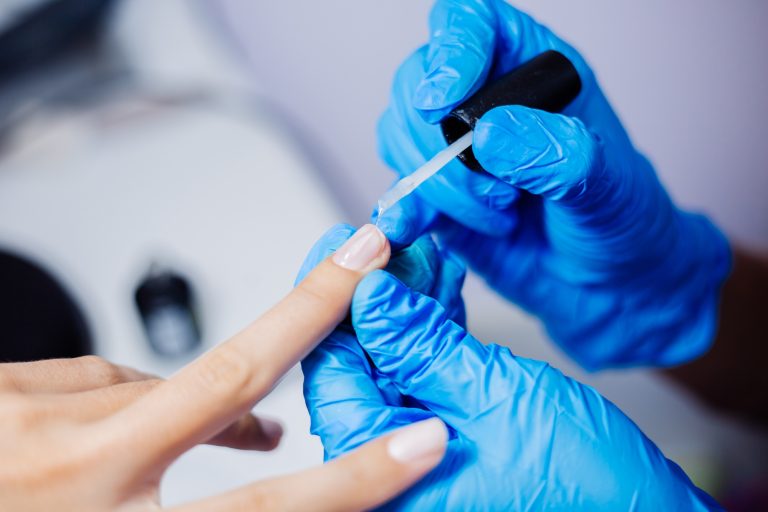
In the beauty industry, even the most experienced and skilled professionals can face client dissatisfaction. Whether the issue is lifting gel, uneven color, or dissatisfaction with the shape, how you respond professionally to such situations is what defines your quality of service.
At the MONLIS School of Manicure and Pedicure in Munich, we not only teach clean techniques and lasting results – we also prepare future professionals to deal with complaints constructively and confidently. Because outstanding service is not just about perfection, but how you handle imperfection.
Common Complaints and Possible Causes
Clients may express concerns like:
-
“The gel lifted after just a few days”
-
“There are bubbles or cracks in the coating”
-
“The color doesn’t look even”
-
“My natural nails feel damaged”
-
“The shape doesn’t suit me”
These problems can be caused by:
-
Poor nail plate preparation
-
Overuse of product or improper application
-
Incorrect curing or low-quality materials
-
Improper aftercare by the client
-
Miscommunication during consultation
How to Respond Professionally to Complaints
1. Stay Calm and Listen
Never take complaints personally. Most clients are simply disappointed, not aggressive. Let them speak, listen actively, and show empathy. A calm and respectful tone helps de-escalate the situation and builds trust.
2. Analyze the Problem with Expertise
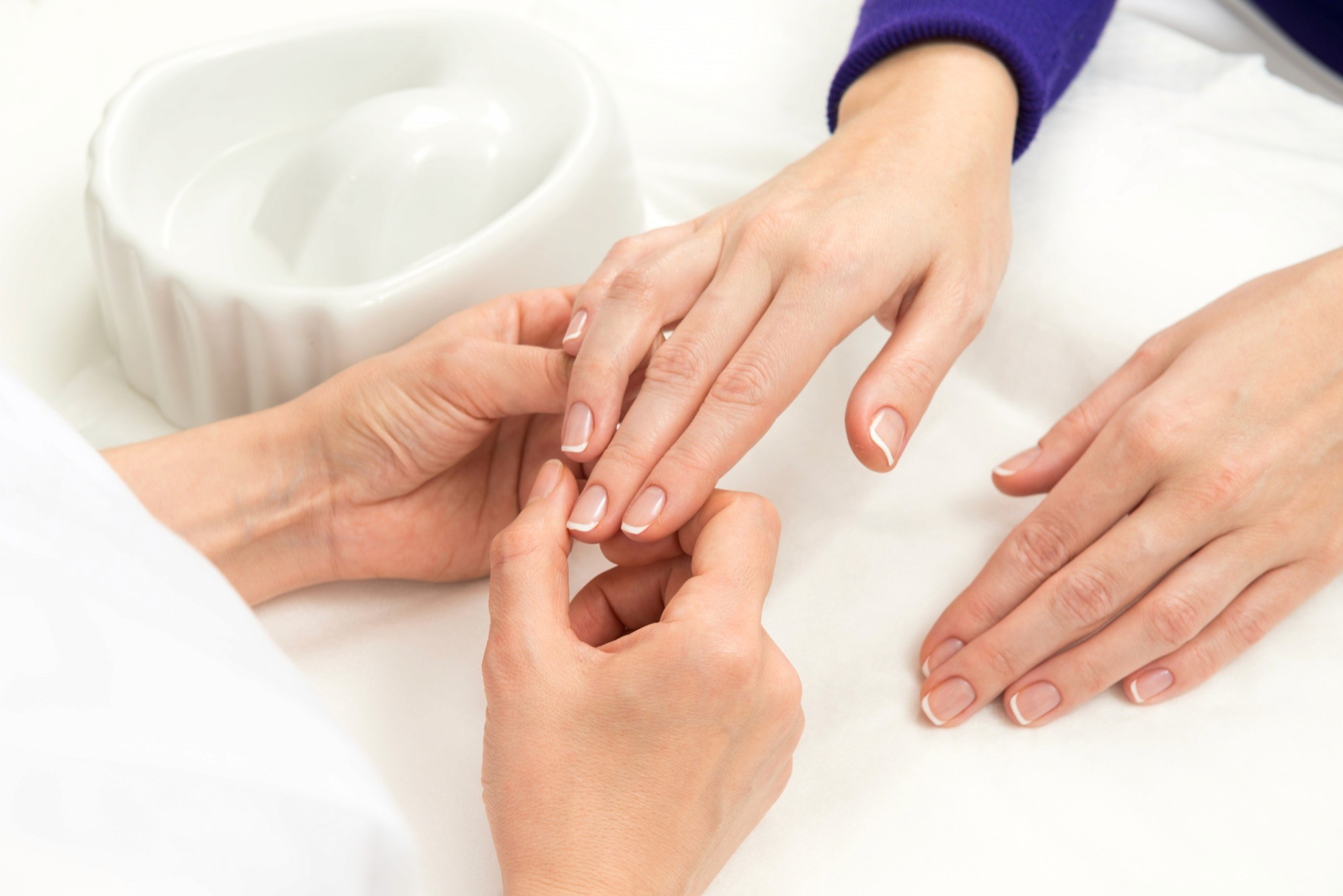
Examine the nails together with the client:
-
Are there visible cracks, lifting, discoloration?
-
When did the issue occur?
-
Were any external factors involved (e.g., cleaning chemicals, hard use)?
At MONLIS School, we teach students to assess issues technically, separate user errors from service errors, and respond confidently and clearly.
3. Offer Fair Solutions (Within Limits)
If the issue stems from a genuine technical error, offer a free fix or discount. Important:
-
Have clear internal policies for complaint handling
-
Avoid blame – focus on solving the issue
-
If the same complaint repeats, review your own workflow and materials
4. Document and Communicate
Track complaints and how they were resolved. This helps identify patterns and improve service quality. Provide clients with written aftercare instructions to prevent misunderstandings.
How to Prevent Complaints
✔️ Clear Consultations
Before starting the procedure, discuss client expectations and explain realistic outcomes. Many complaints arise from miscommunication.
✔️ Professional Technique
A well-prepared nail plate, proper product use, and clean application ensure durability and aesthetic quality.
✔️ Educate Clients on Aftercare
Clients should know how to protect their nails:
-
Use gloves during housework
-
Don’t use nails to open containers
-
Regularly apply oil and hand cream
At MONLIS School, we teach how to communicate this information in a simple and effective way.
A complaint is not the end – it’s a chance to show your professionalism. A client who feels heard and respected may return and even recommend your services. Calmness, empathy, and expertise are the key.
At the MONLIS School in Munich, we teach future professionals not only how to create beautiful nails, but how to build lasting relationships with clients – even when things go wrong.