In the beauty industry, individuality is everything. Clients want to express their unique style through every detail – including their eyebrows. But what should you do when a client insists on a brow shape that doesn’t suit their facial features or undermines the natural direction of hair growth?
At MONLIS School in Munich, aspiring brow artists are trained not only in techniques like brow mapping, tinting, and lamination, but also in how to navigate sensitive conversations with professionalism and care.
1. Recognize Your Responsibility as a Specialist
As a brow artist, you’re not only responsible for an attractive result, but also for preserving the health and structure of the natural brow. An overly thinned, flat, or excessively arched brow can distort facial symmetry or damage the hair’s natural growth cycle.
MONLIS Tip:
Don’t blindly follow a request if your analysis suggests otherwise. Your role is to offer honest, respectful advice – based on both aesthetic judgment and professional integrity.
2. Use Analysis and Visualization to Guide the Conversation
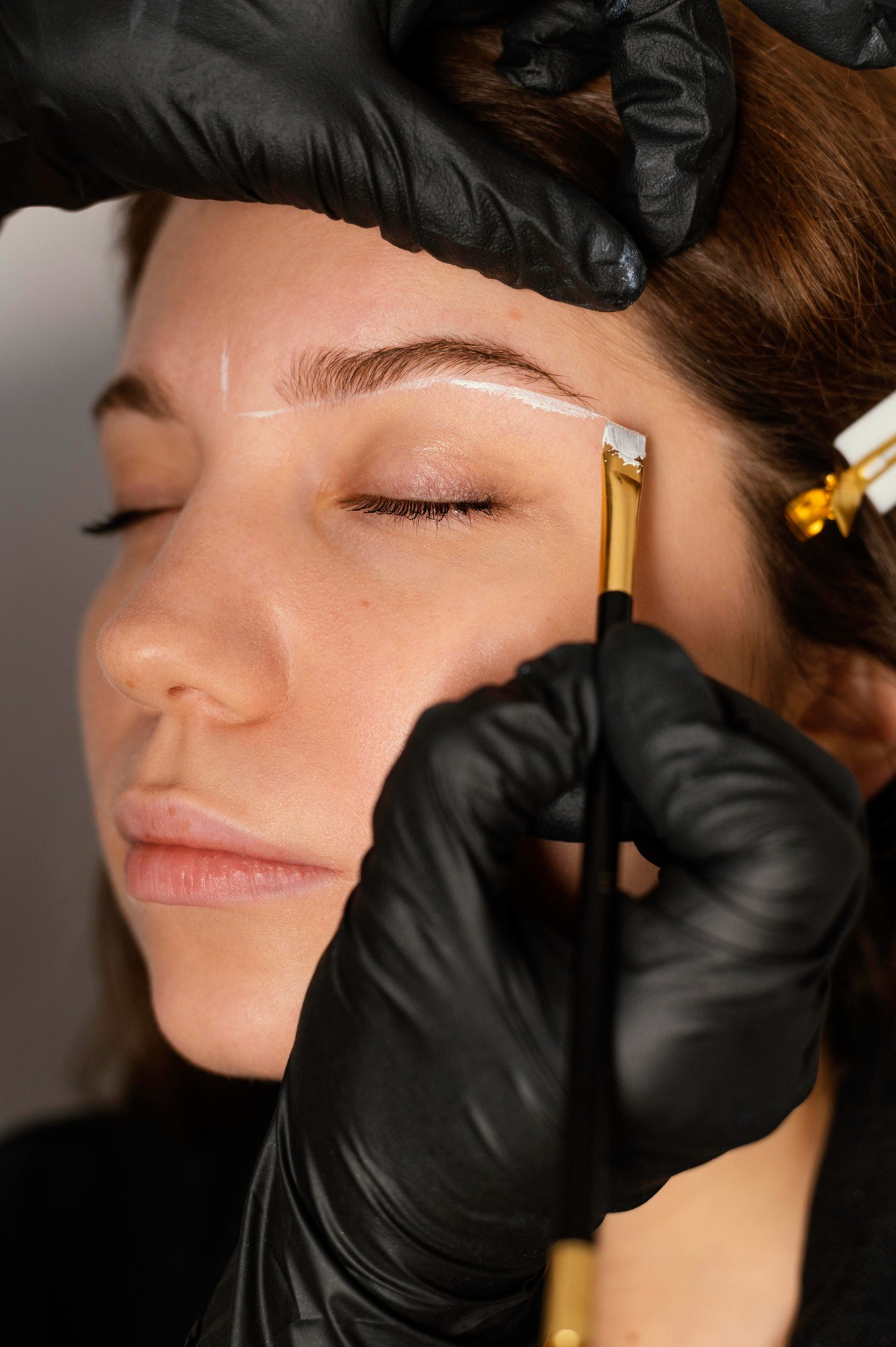
Start with a detailed analysis of the face (forehead, eye spacing, cheekbones, overall shape). Use brow mapping to visually demonstrate the difference between the client’s desired shape and the one that naturally complements their features.
MONLIS Practice Tip:
Sketch both versions – the client’s request and your professional recommendation – and show them in the mirror. In 80% of cases, clients recognize for themselves how much more flattering the correct shape looks.
3. Communicate with Respect – Not Criticism
No one wants to hear their idea “doesn’t look good.” Use positive, respectful language instead:
-
“I see what you’re going for. May I show you something that could flatter your face even more?”
-
“I have an idea that could make your eyes stand out even better. Would you like to see it?”
-
“Before we start, would you mind if I offered a quick consultation? Your natural brow shape has so much potential.”
At MONLIS School, we teach how to approach such situations with empathy, clarity, and professionalism.
4. Set Boundaries – Professionally
If a client insists on a look that you believe will result in a poor outcome, it’s okay – even necessary – to politely decline or propose a compromise.
Remember: the final result is a reflection of your name and reputation, not just their request.
5. Offer Aftercare and Future Guidance
If a client still chooses the shape they want, be sure to offer professional aftercare. Provide grooming tips, explain the growth cycle, and suggest a follow-up appointment for potential reshaping after a few weeks.
At MONLIS School in Munich, students learn not only the art of shaping and correcting brows, but also how to master client consultations, facial analysis, and respectful boundary-setting.
Saying “no” to the wrong shape – when done the right way – can be the highest form of care and professionalism.