A clean, precise gel polish application is a hallmark of any professional manicure. Yet even skilled nail artists may sometimes face a common issue: gel polish flooding the cuticle area, running into the sidewalls, or spreading unevenly. This not only compromises the look but also shortens durability, increases the risk of lifting, and reduces client satisfaction.
At MONLIS School in Munich, a top training center for manicure and pedicure, we teach students how to prevent such problems by understanding their causes and applying practical, effective solutions.
Why Does Gel Polish Run? Common Reasons
Several factors can cause gel polish to flood. In most cases, it’s a combination of technique, timing, and product consistency.
1. Too Much Product on the Brush
One of the most common beginner mistakes is overloading the brush with gel, resulting in thick layers that naturally run into the cuticles and sides.
2. Poor Nail Prep
If the cuticle is not fully removed or the nail is not properly dehydrated, the base won’t adhere evenly, allowing the product to drift toward the edges.
3. Working Too Slowly
Modern LED/UV gels begin self-leveling fast. If you’re too slow, the gel spreads before you can cure it properly.
4. Wrong Consistency or Temperature
Thin or runny gels, especially in warm environments, are harder to control. Choosing the right viscosity is essential.
5. Improper Brush Technique
Using too much pressure or quick, uncontrolled strokes can push the product into the cuticle and cause flooding.
What Happens When Gel Polish Runs?
The result is both unsightly and damaging. Gel on the skin or cuticle causes premature lifting because the product can’t adhere to living tissue. Moisture and bacteria may penetrate, leading to peeling or chipping. Not only does it look unprofessional—it also reduces retention significantly.
How to Apply Gel Polish Like a Professional
At MONLIS School Munich, we put great emphasis on mastering both product knowledge and application technique. Our students learn essential skills through hands-on training, including:
-
Proper nail plate prep: Cleaning, dehydrating, and removing invisible cuticle residue.
-
Correct product dosing: Apply thin coats, work in two layers for better control and adhesion.
-
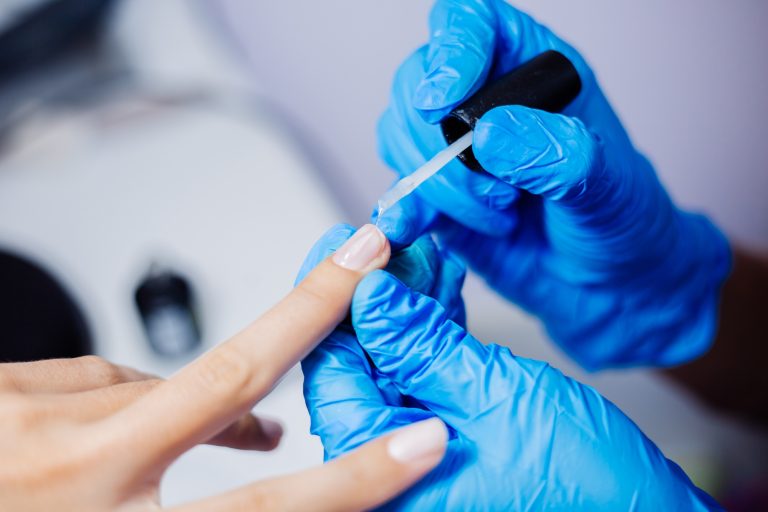
Zonal application method: Place the product in the center first, then guide it carefully to the edges without touching the skin.
-
Controlled LED curing: Use quality lamps to cure layers before they can shift or flood.
-
Mastering brush control: In our courses, students train to use steady, clean motions for flawless results.
How to Fix Gel That Has Already Run?
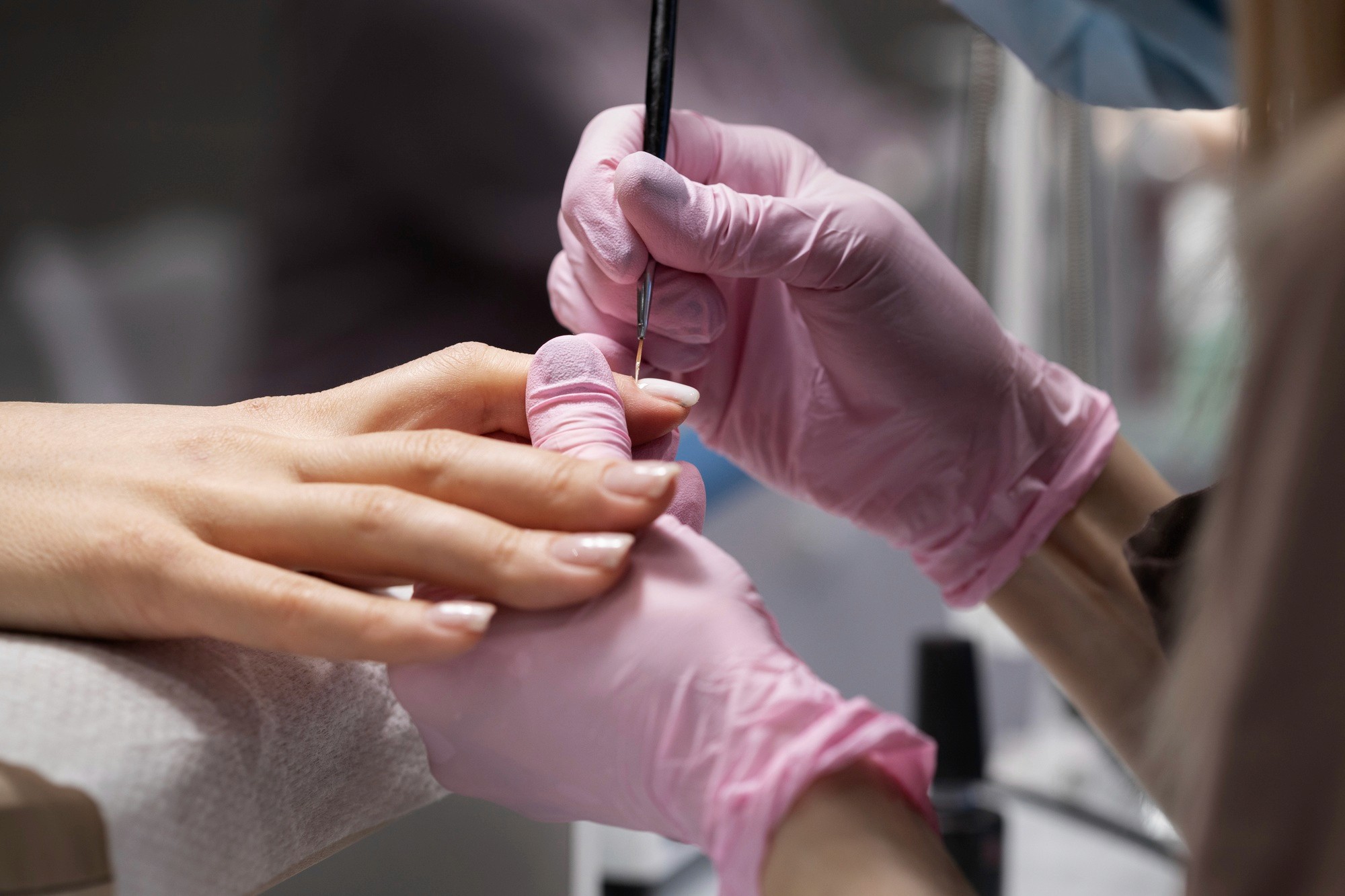
If the gel hasn’t cured yet, you can gently remove the excess with a fine brush or orange stick before curing. If it’s already hardened, you’ll need to file off the excess or remove the entire layer and start again.
Important: Never apply top coat over a flawed base. It won’t fix the problem—it only seals in the mistake.
Prevention Begins with Education
Perfection in gel polish application doesn’t come from talent alone. It comes from proper training. At MONLIS, we combine theory with real-world practice on live models. Students receive personalized correction, real-time feedback, and a strong focus on quality standards.
To achieve flawless, long-lasting results, professionals must understand product behavior, environmental influences, and precision techniques. At MONLIS School in Munich, you’ll gain the skills and insights needed for clean, stable, and elegant manicures that clients will love.