Toenails are not only an aesthetic element of foot care but also serve a functional purpose – especially when it comes to everyday footwear. Whether elegant, sporty, or casual: the wrong shoes can significantly affect the shape, structure, and health of the toenails. MONLIS School in Munich highlights the importance of proper shoe choice, the damage unsuitable footwear can cause, and what professional foot care specialists should look out for.
1. Toenails in Daily Life: Mechanical Stress and Protection
Toenails help protect the sensitive ends of our toes and distribute pressure during walking or running. If they are constantly subjected to pressure from tight or hard shoes, it can lead not only to changes in shape but also to long-term damage to the nail bed and surrounding tissue.
Typical consequences of poor footwear:
-
Deformation of the nail plate
-
Ingrown toenails
-
Thickening or thinning of the nails
-
Fungal infections due to lack of ventilation
-
Pressure marks and inflammation
2. Which Shoes Are Particularly Harmful to Toenails?
❌ Shoes that are too tight:
They squeeze the toes, cause friction, and prevent the natural shape of the nail from developing – especially problematic with pointed shoes.
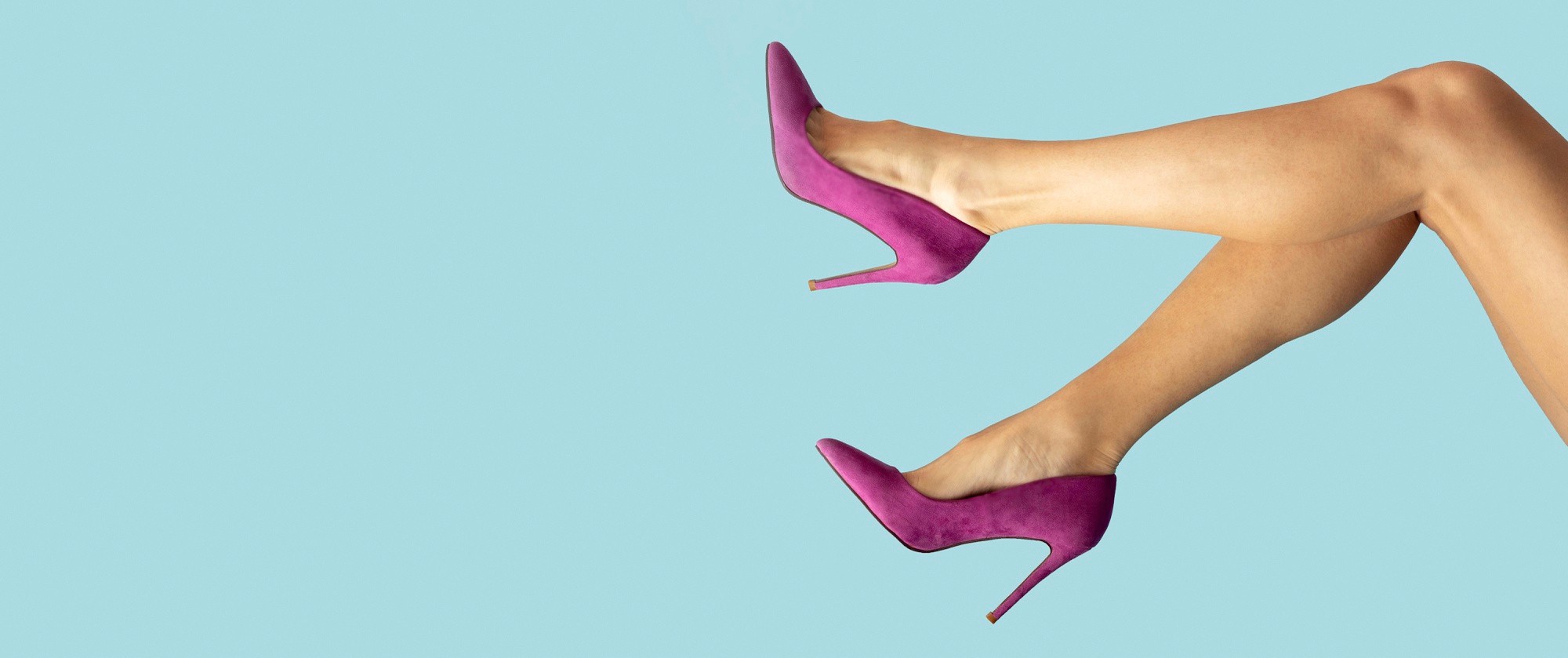
❌ High heels:
Shift the body’s weight to the front of the foot, placing excessive pressure on the toes and nails.
❌ Non-breathable materials:
Trap moisture – creating a perfect environment for bacteria and fungi.
❌ Hard or stiff materials:
Cause constant friction and pressure on the nail plate, especially around the corners and edges.
3. How Can Improper Footwear Change the Shape of Toenails?
Prolonged pressure or friction can lead to:
-
Curved nails (claw toenails)
-
Sideways nail growth – nails pressing into surrounding skin
-
Thickening from repeated microtrauma
-
Loss of the natural nail arch due to chronic compression
These changes often develop gradually and go unnoticed until discomfort or pain occurs. Regular check-ups by trained professionals are essential.
4. What Do Students at MONLIS School Learn About This?
At MONLIS School Munich, students gain not only cosmetic skills but also deep anatomical and functional knowledge. The curriculum includes:
-
How different shoe shapes affect nail growth
-
How to recognize signs of pressure-related damage
-
Advising clients on proper shoe choice and toenail care
-
Use of special files, tamponades, and protective systems
-
When and how to refer clients to a medical specialist
This training forms the basis for high-quality, preventive, and safe foot care in practice.
5. Client Recommendations: How to Protect Toenails Daily
✔ Choose shoes with enough toe room
✔ Use breathable materials like leather or textiles
✔ Alternate footwear to avoid moisture buildup
✔ Cut toenails straight across – not too short and without rounding the corners
✔ Seek professional help early if pain or changes occur
Shoes have a direct impact on toenail health. Choosing styles that are too small, narrow, or stiff can cause lasting damage to the nail structure. Professionals trained at MONLIS School Munich can detect early signs of damage, provide personalized advice, and help clients maintain both the appearance and health of their toenails – for feet that are not only beautiful, but also well cared for.