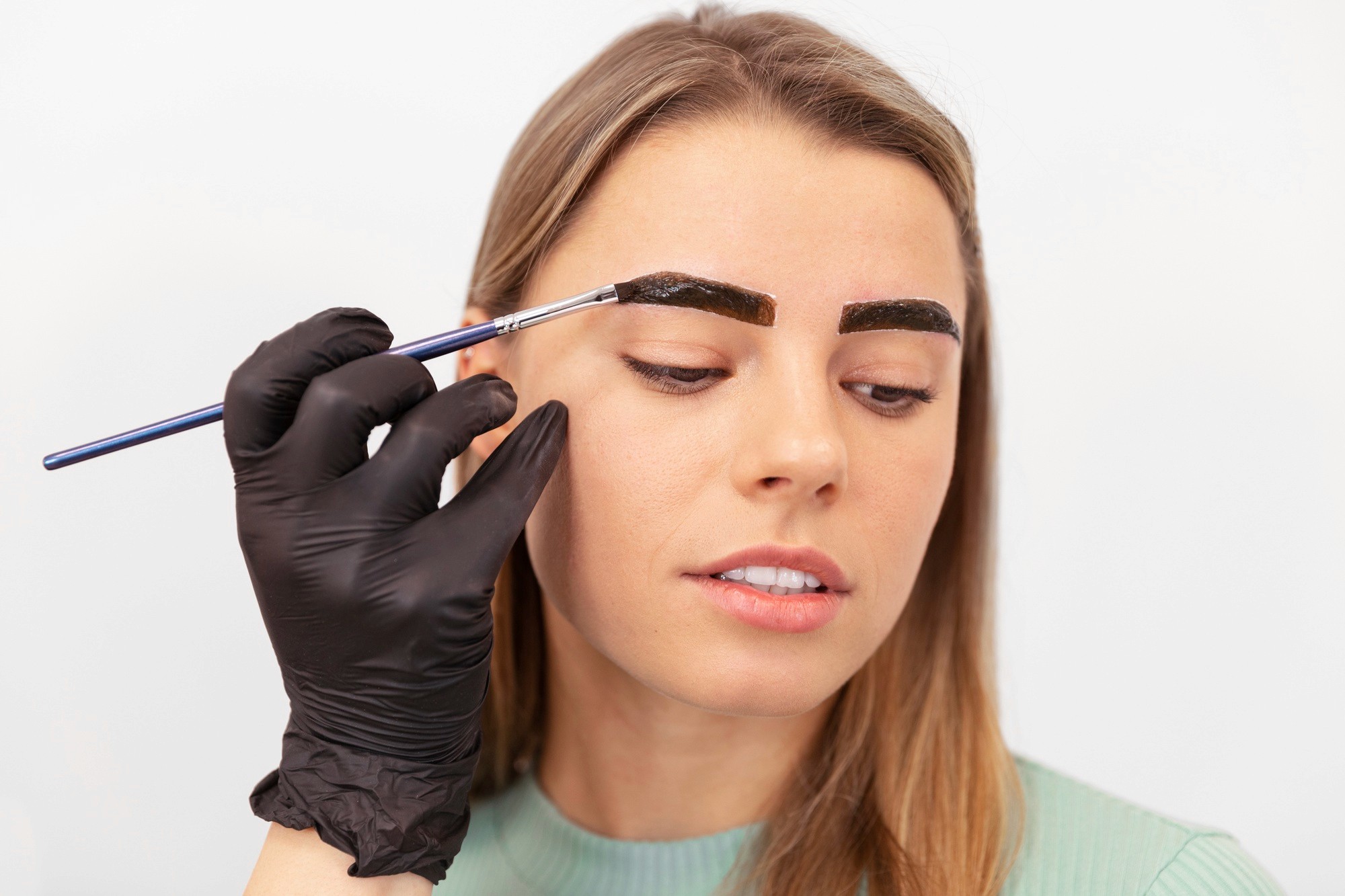
Tinting eyebrows is more than just a beauty procedure — it’s a science that combines chemistry, color theory, and technique. The pigments in brow tint determine the intensity, shade, and durability of the result. At MONLIS School Munich, students learn how pigments work, how they react to different skin types, and how proper pigment selection ensures flawless and natural results every time.
What Are Pigments and How Do They Work?
Pigments are color-giving particles that absorb and reflect light. In brow tint formulas, they are typically made from organic and inorganic compounds suspended in a liquid medium. When applied, they penetrate the upper skin layer and the hair shaft, where they undergo chemical reactions that create the final color.
Main types of pigments include:
-
Inorganic pigments: usually based on iron oxide, titanium dioxide, or zinc oxide. They create long-lasting, stable, and natural tones.
-
Organic pigments: provide more vibrant and rich hues, often used to enhance or adjust undertones.
At MONLIS School Munich, students study in detail how different pigment types react to factors like light exposure, pH, and temperature, and how to achieve color precision in any situation.
How Pigments Influence the Color
Every brow tint shade is created by mixing several pigments to achieve balance and depth. The proportion and interaction between pigments determine the final tone.
-
Red pigments (iron oxide red): add warmth but can make brows appear reddish if overused.
-
Yellow pigments: create golden or honey undertones and help neutralize overly dark colors.
-
Black pigments (iron oxide black): add depth and intensity.
-
Blue pigments: cool down overly warm or orange shades and provide balance.
At MONLIS School Munich, future brow stylists learn to use color theory and pigment science to create customized tones for every client — from warm to neutral to cool shades.
The Role of Skin Type and Undertone
Skin type and undertone greatly influence how pigments appear once developed. Pigments react differently depending on oil production, texture, and individual skin chemistry:
-
Warm skin tones (yellow or golden undertones) require more ashy or neutral pigments to avoid orange results.
-
Cool skin tones (pink or bluish undertones) look best with warmer pigments that balance the skin tone.
-
Neutral skin tones need balanced pigment mixtures with medium depth and saturation.
At MONLIS School Munich, students learn to perform detailed skin tone analysis and create personalized pigment formulas tailored to each client’s complexion and desired style.
Light, Time, and Chemistry: The Color Development Process
The chemical reaction that occurs during tinting — oxidation — determines how the final color develops. Oxygen binds to the pigment molecules, darkening and stabilizing the tone over time.
-
Too short a processing time results in a color that’s too light.
-
Too long a processing time can make the shade too dark or unnatural.
Students at MONLIS School Munich are trained to precisely control processing time, achieving professional, even, and lasting color results — from soft and natural to bold and defined brows.
Pigment Quality and Color Longevity
The quality of pigments directly affects how long the tint lasts and how evenly it fades. Premium pigments are characterized by:
-
Fine particle size for smooth and even application
-
High color stability with minimal oxidation or fading
-
Dermatologically safe ingredients that minimize irritation
In training at MONLIS School Munich, students learn how to distinguish between professional-grade and mass-market tint products and how to choose safe, high-quality materials for lasting results.
Common Mistakes When Working With Pigments
Even minor pigment errors can completely alter the final result. Frequent mistakes include:
-
Using overly warm shades on cool skin tones
-
Overloading black pigment, creating harsh brows
-
Incorrect processing time
-
Failing to neutralize unwanted undertones
At MONLIS School Munich, students practice correcting color imbalances and adjusting pigments to achieve perfect symmetry, tone, and saturation.
Pigments are the heart of every brow tint — they determine color depth, tone harmony, and durability. Mastering pigment theory and color correction is essential for every professional brow artist.
At MONLIS School Munich, students gain both theoretical and practical expertise, learning how to blend color science with artistry to create the ideal brow tone for each individual client.
MONLIS School Munich – the leading academy for professional training in brows, lashes, manicure, and pedicure within the beauty industry.