The classic French manicure has long been a timeless symbol of elegance and well-groomed hands. However, modern nail art trends are constantly evolving — and one of the most stylish interpretations is the Reverse French Manicure, also called the Inverted French.
At the MONLIS School in Munich, one of the top academies for professional nail design and hand care, students master this elegant look with precision, symmetry, and a creative touch.
1. What Is a Reverse French Manicure?
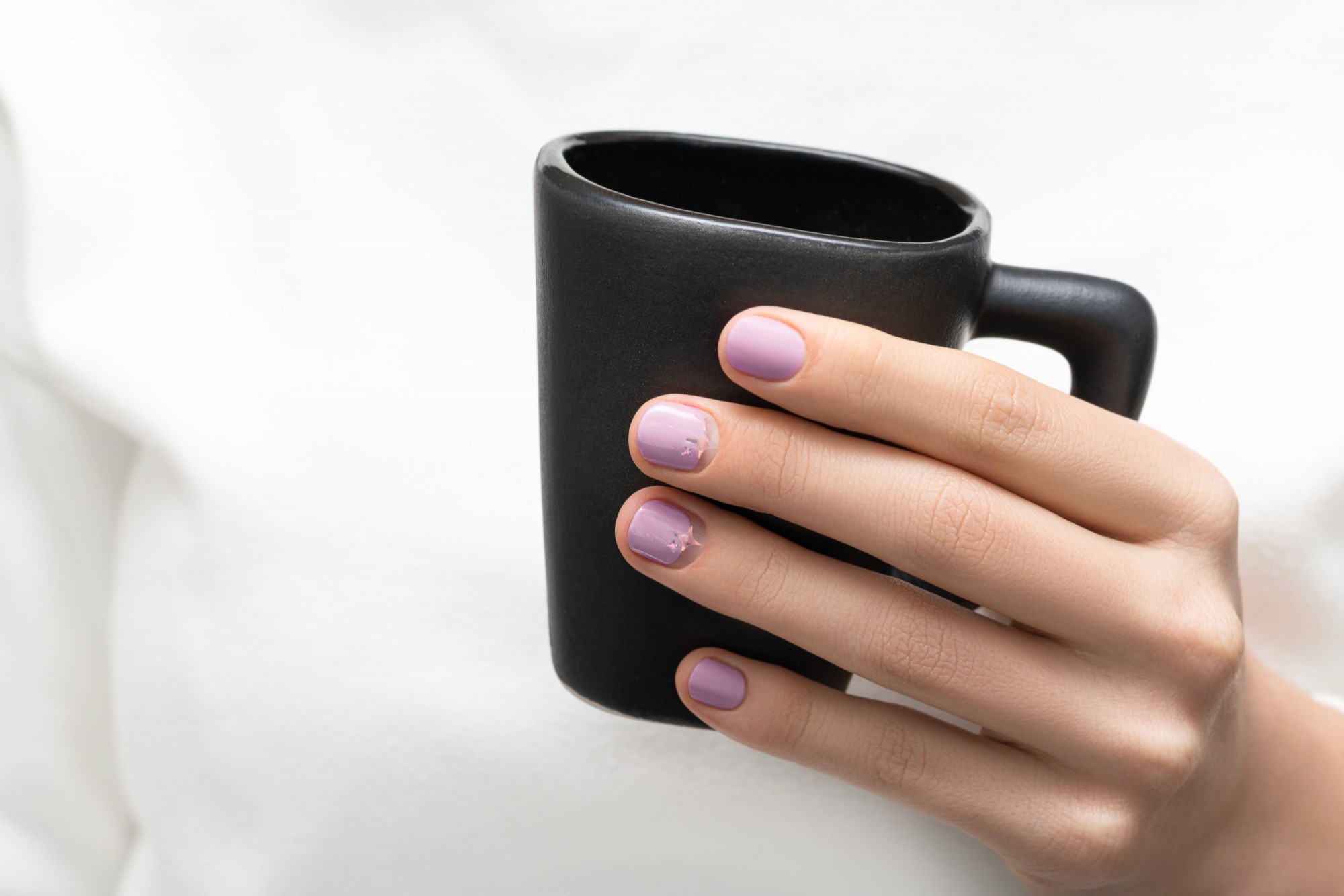
Unlike the traditional French manicure, where the nail tip is highlighted, the Reverse French Manicure focuses on the base of the nail, specifically the lunula area — the small half-moon near the cuticle.
Here, the lower nail edge is accentuated with a contrasting color such as gold, silver, or metallic tones. The result is a refined, modern, and sophisticated style that suits both everyday wear and special occasions.
2. A Brief History of the Style
The Reverse French Manicure actually dates back to the 1920s, when it was fashionable to leave the lunula area unpainted or lighter to emphasize natural beauty.
In recent years, this vintage-inspired technique has made a strong comeback thanks to its chic aesthetic and versatility. Modern materials and advanced techniques have turned the Reverse French into a favorite among professional nail artists.
3. Advantages of the Reverse French Manicure
This style offers a blend of elegance, creativity, and practicality:
-
Versatile: Works with minimalist, classic, or bold designs.
-
Low maintenance: Regrowth is less visible compared to standard manicures.
-
Modern aesthetic: A contemporary take on a timeless favorite.
-
Creative freedom: Allows endless color and shape combinations.
-
Perfect for training: An excellent exercise in precision and detail — a core skill taught at MONLIS School.
4. Tools and Materials
To create a professional Reverse French Manicure, you’ll need:
-
Base coat for protection and adhesion.
-
Color polish or gel for the main tone and accent color.
-
Fine nail art brush for precise lines.
-
Dotting tool or nail sticker for shaping the half-moon curve.
-
UV/LED lamp if working with gel polish.
-
Top coat for shine and durability.
At MONLIS School Munich, students learn how to use each tool effectively to ensure clean, even, and lasting results.
5. Step-by-Step Guide to a Reverse French Manicure
Step 1: Preparation
Clean, disinfect, and shape the nails. Gently push back and remove excess cuticle to define the base area.
Step 2: Apply Base Coat
Protect the nail plate and ensure better adhesion for the polish.
Step 3: Apply the Main Color
Choose a neutral or bold color depending on the design. Apply two thin coats and let them dry completely.
Step 4: Design the Lunula
Using a fine brush or sticker, paint a neat curve along the cuticle line. Traditional shades include white, gold, or silver, but modern variations use black, blue, or metallic hues.
Step 5: Seal the Design
Finish with a top coat for a smooth, glossy finish and long-lasting protection.
6. Popular Variations and Trends
-
Metallic finishes: Nude base with gold or silver accents.
-
Matte vs. glossy contrast: Adds sophistication and depth.
-
Bold colors: Red, black, or deep blue for a dramatic effect.
-
Negative space designs: Combining painted and transparent sections.
-
Glitter highlights: Perfect for festive or bridal looks.
The MONLIS School Munich regularly updates its curriculum with the latest nail design trends to keep students ahead in the beauty industry.
7. Common Mistakes to Avoid
-
Applying polish too thickly, causing uneven edges.
-
Skipping nail dehydration before application, reducing durability.
-
Drawing the half-moon too wide, making the nail appear shorter.
-
Neglecting precision — symmetry is key for a professional look.
At MONLIS School, students are trained in accuracy, cleanliness, and perfect finishing techniques to achieve salon-quality results every time.
8. Maintenance and Care Tips
To keep your Reverse French Manicure beautiful for longer:
-
Apply cuticle oil daily.
-
Avoid harsh cleaning chemicals.
-
Wear gloves for household chores.
-
Schedule touch-ups every 2–3 weeks.
Proper aftercare preserves the shine and health of your nails while maintaining the professional look.
9. Training at MONLIS School Munich
At MONLIS School, aspiring professionals receive in-depth training in nail design, color theory, and modern manicure techniques.
The curriculum includes:
-
Nail anatomy and material science
-
Practical work on real models
-
Creative design and color coordination
-
Hygiene, safety, and client consultation
Graduates leave with the knowledge and confidence to create stunning, long-lasting manicures that meet professional salon standards.
The Reverse French Manicure brings a refreshing, modern twist to a timeless classic. It’s elegant, sophisticated, and offers endless design possibilities.
At MONLIS School Munich, students master this technique with attention to detail and creativity — achieving professional, flawless, and fashionable results for every client.
Mastering the Reverse French means mastering the art of balance — between tradition and trend, simplicity and sophistication.