Choosing the right shields is one of the key factors that determines the final result of lash lamination. Even with flawless technique and high-quality products, an incorrectly selected shield can lead to weak lifting, uneven curl, or lashes that visually appear “droopy.” That is why the topic “Different types of lash lift shields: how to choose the right one for the desired result” is essential for both aspiring and professional lash artists, especially within structured training programs.
Shields directly affect lift height, curl shape, and the visual length of the lashes. Understanding the differences between shapes and sizes is a fundamental skill for anyone working professionally with lash lifting.
Why lash lift shields have such a strong impact on the final result
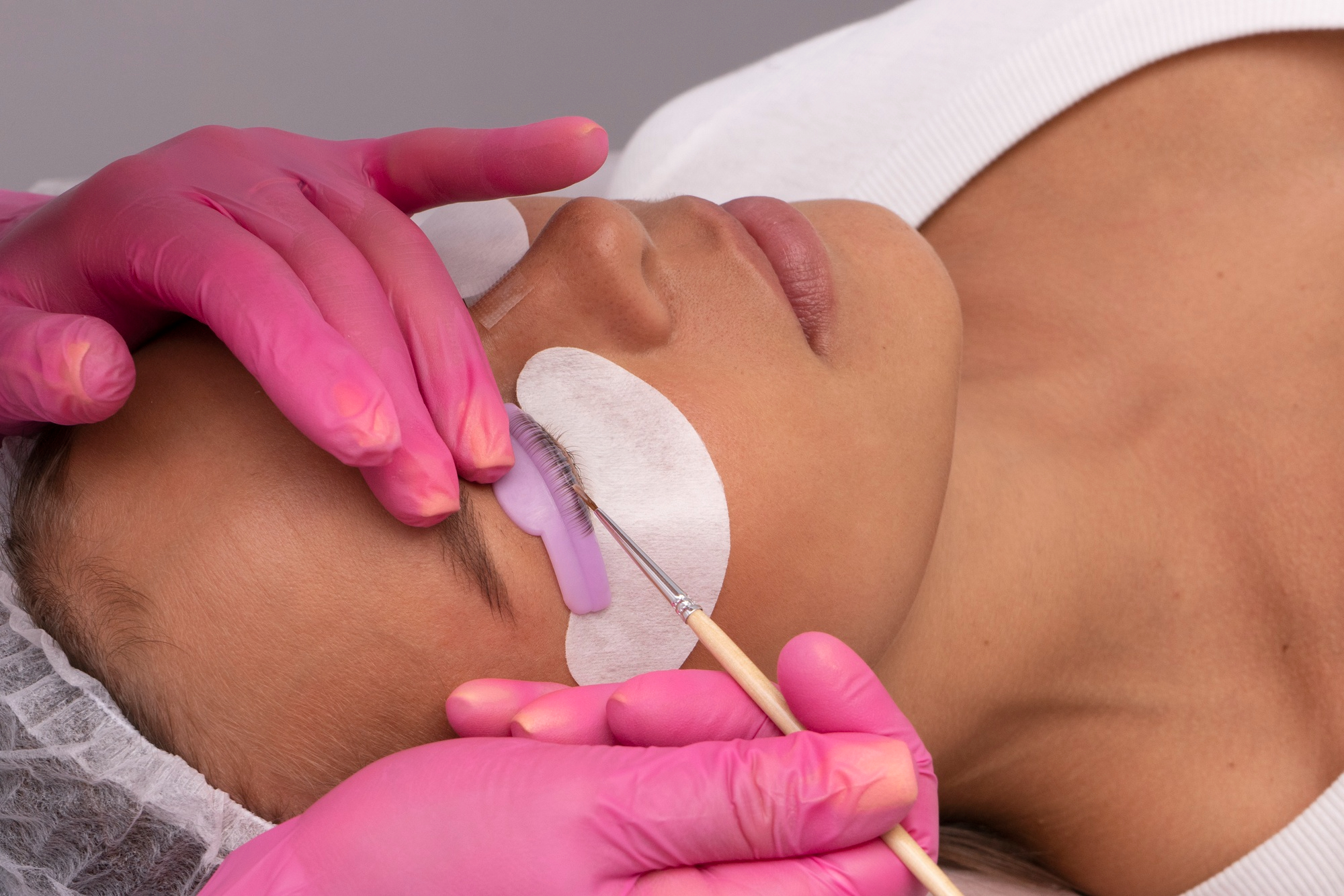
The shield determines the direction of the lashes during the procedure. It shapes the architecture of the curl even before the first solution is applied. If the shield is too small, the curl becomes overly tight and unnatural. If it is too large, the lifting effect may be barely visible.
When performing lash lamination, the following factors must be considered:
- natural lash length
- thickness and density of the lashes
- the client’s eye shape
- the desired effect: soft lift or pronounced curl
Mistakes at this stage cannot be corrected later with solutions or tinting.
Main types of lash lift shields
Modern lash lift shields are typically made of silicone. They differ in shape, height, and curvature radius.
Classic shields S, M, L, XL
The most common size system:
- S – for short lashes, strong lifting effect
- M – universal size for medium-length lashes
- L – for long lashes, soft and natural lift
- XL – for very long lashes and the most natural result
The smaller the shield, the stronger the visible lift.
Anatomical (asymmetrical) shields
These shields follow the natural contour of the eyelid and ensure even lash placement from the inner to the outer corner of the eye. They are especially useful:
- for deep-set eyes
- for asymmetrical eye shapes
- for clients with uneven lash length along the lash line
Anatomical shields reduce the risk of creases and make lash fixation more precise.
Shields for lifting without a strong curl
These shields have a flatter shape and a softer curve. They are used when the client wants:
- an open, refreshed look
- a natural lash shape
- no dramatic curl effect
Such shields are commonly used in European lash lifting techniques.
How to choose the right lash lift shield for each client
Correct shield selection starts not with lash length, but with the desired final effect.
For short lashes
S or M shields are recommended. It is important not to over-curl short lashes, as this can create an artificial look.
For medium-length lashes
M or L shields are ideal:
- M for a more defined lift
- L for a softer, more natural appearance
For long lashes
L or XL shields help avoid an overly rounded curl and maintain balanced lash architecture.
Considering eye shape
- Almond-shaped eyes work well with classic shields
- Round eyes benefit from an elongated lifting effect
- Hooded eyes often require anatomical or flatter lifting shields
Common mistakes when choosing lash lift shields
Even experienced lash artists can make typical errors:
- using the same shield size for every client
- focusing only on lash length and ignoring eye shape
- poor shield placement on the eyelid
- excessive tension when fixing lashes
These mistakes result in uneven curl, client discomfort, and a loss of aesthetic quality.
How many shields are needed for professional work
For confident, professional practice, it is recommended to have:
- at least four classic sizes (S–XL)
- one or two pairs of anatomical shields
- separate shields for soft lifting without a strong curl
Such a set allows the artist to adapt to each client without compromise.
Care and durability of silicone lash lift shields
The lifespan of shields depends directly on proper care:
- cleaning after every procedure
- using gentle, suitable disinfectants
- storing shields without deformation
High-quality silicone shields can maintain their shape and elasticity for 6–12 months with correct care.
Key points about different types of lash lift shields: how to choose the right one for the desired result
- The shield defines the lifting result from the very beginning of the procedure.
- Size determines the height and intensity of the lift.
- Shape must match the client’s eye anatomy.
- There is no universal shield suitable for everyone.
- A professional shield set significantly expands a lash artist’s capabilities.