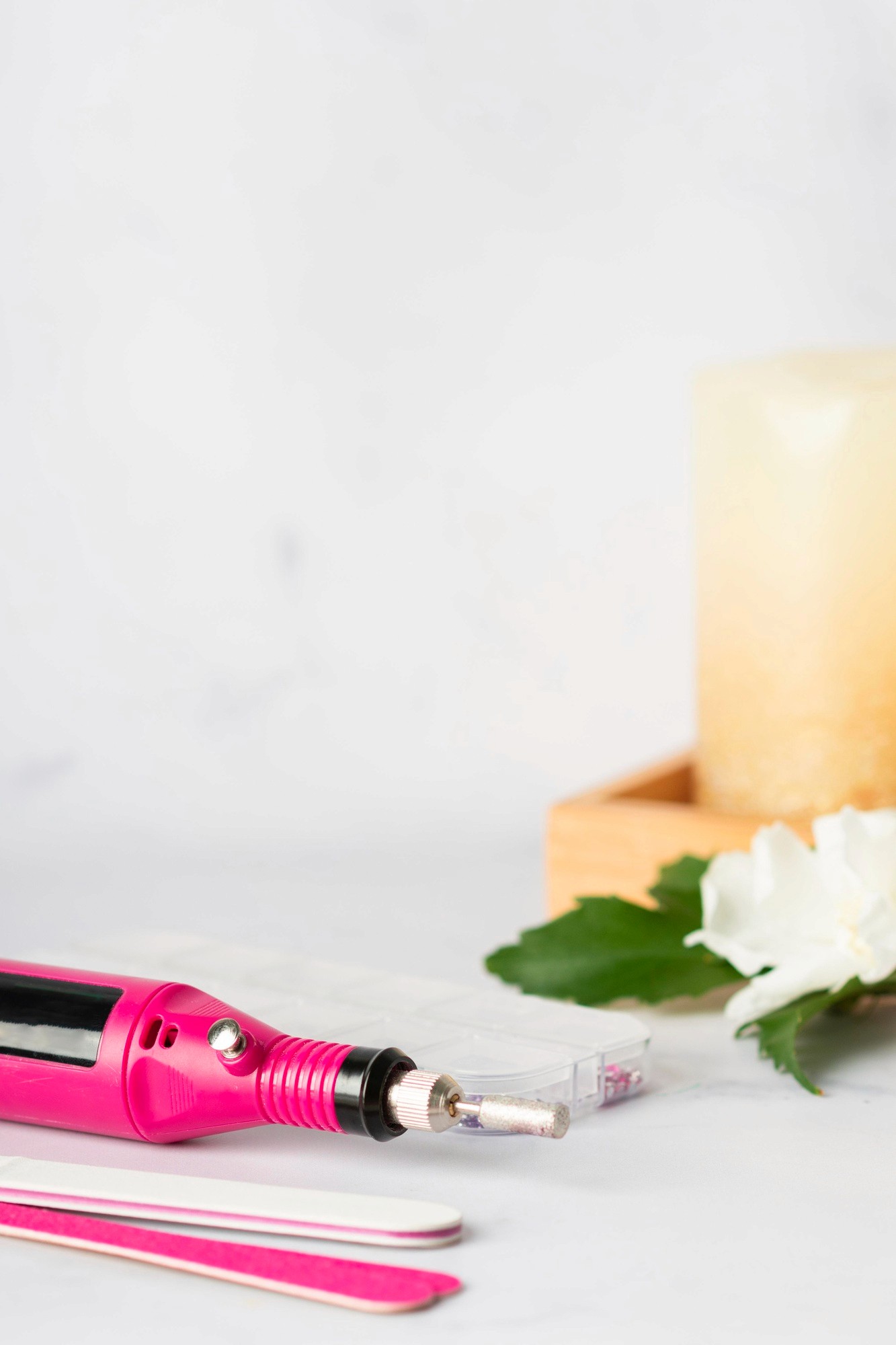
The electric drill has become an essential tool in modern pedicure practice. However, improper use can cause overheating, skin irritation, or even minor burns. At MONLIS School Munich, future foot care professionals are trained to handle drills safely and effectively — achieving flawless results without harming the delicate skin of the feet.
1. Understanding the Drill and Bits
Every drill works differently depending on the speed and type of bit used. Choosing the right bit is key:
-
Ceramic bits are perfect for sensitive skin and nails as they generate less heat.
-
Carbide bits are powerful but require skill to avoid overheating.
-
Diamond bits are ideal for detailed work such as cuticle cleaning.
At MONLIS School, students learn everything about these tools — from setup and safety to cleaning and disinfection. The goal is to understand how rotation speed, pressure, and motion interact to create safe, precise results.
2. Correct Speed and Movement Technique
A common beginner mistake is using the wrong speed setting.
-
Too low a speed makes the drill unstable and prone to pulling on the skin.
-
Too high a speed creates excessive heat and discomfort.
Professionals are taught to keep the drill constantly moving. Staying in one spot for more than a second or two can lead to heat buildup. MONLIS students practice on real models to develop a natural sense of balance between motion, speed, and control.
3. Pressure Control – Gentle Yet Effective
Excessive pressure on the drill increases friction, leading to overheating and microdamage.
A light, steady touch is enough to remove calluses safely.
Instructors at MONLIS School teach ergonomic hand positioning for maximum stability without unnecessary force. This ensures that the procedure remains comfortable for both client and technician.
4. Observing Skin Reactions
Trained eyes can detect early signs of irritation.
Redness or glossy skin areas signal excessive heat.
Instructors emphasize continuous monitoring — checking the skin temperature, communicating with the client, and taking short breaks if needed. In professional pedicure, prevention always outweighs correction.
5. Equipment Maintenance and Hygiene
An overheating drill can also indicate poor maintenance.
Dust or residue buildup can block airflow and cause friction.
At MONLIS School, hygiene and care are taught as essential professional habits:
bits must be cleaned, disinfected, and sterilized after each client, and motors should be regularly checked to ensure consistent, safe performance.
6. Training and Practice at MONLIS School Munich
The MONLIS School Munich curriculum combines theory with intensive practical training. Each student learns to control the drill with precision, minimize heat generation, and maintain top hygiene standards.
The program includes:
-
Basics of drill mechanics and safety
-
Proper speed and pressure techniques
-
Skin analysis and area-specific treatment
-
Real-model practice with different skin types
-
Error detection and correction
The goal is to cultivate confidence, precision, and professionalism — ensuring safe, satisfying results for every client.
Mastering drill control is essential for a safe and comfortable pedicure.
Graduates of MONLIS School Munich benefit from comprehensive training that combines modern technology, expert instruction, and hands-on experience. Every treatment becomes smooth, efficient, and professional — without overheating or skin irritation.
MONLIS School Munich – the leading academy for professional pedicure education in Bavaria.
Learn to work with precision, safety, and sensitivity — for perfect, client-approved results every time.