The combined manicure is one of the most precise and effective techniques in modern nail care. It unites the advantages of classical and hardware methods, providing perfect cleaning and shaping of the nail plate.
However, it is the final step — polishing the nail plate and surrounding skin — that truly completes the procedure. At MONLIS School Munich, students learn how this step enhances both the look and health of the nails and skin.
Why Polishing Matters
Polishing is more than a cosmetic detail — it’s a key element of professional care. After combined cuticle treatment, the skin may be slightly sensitive. Gentle polishing smooths the surface, reduces micro-irritations, and gives the nails a natural, healthy glow.
Main goals of polishing:
-
Smooth out tiny irregularities on the nail plate
-
Remove any remaining residues after filing or drilling
-
Stimulate blood circulation around the nail area
-
Improve absorption of oils and creams
-
Prevent excessive dryness or peeling
A well-polished nail reflects light evenly and gives the hands a refined, healthy appearance.
Tools and Materials for Polishing
At MONLIS School Munich, students are introduced to various professional tools and learn how to use them safely and effectively.
Essential tools include:
-
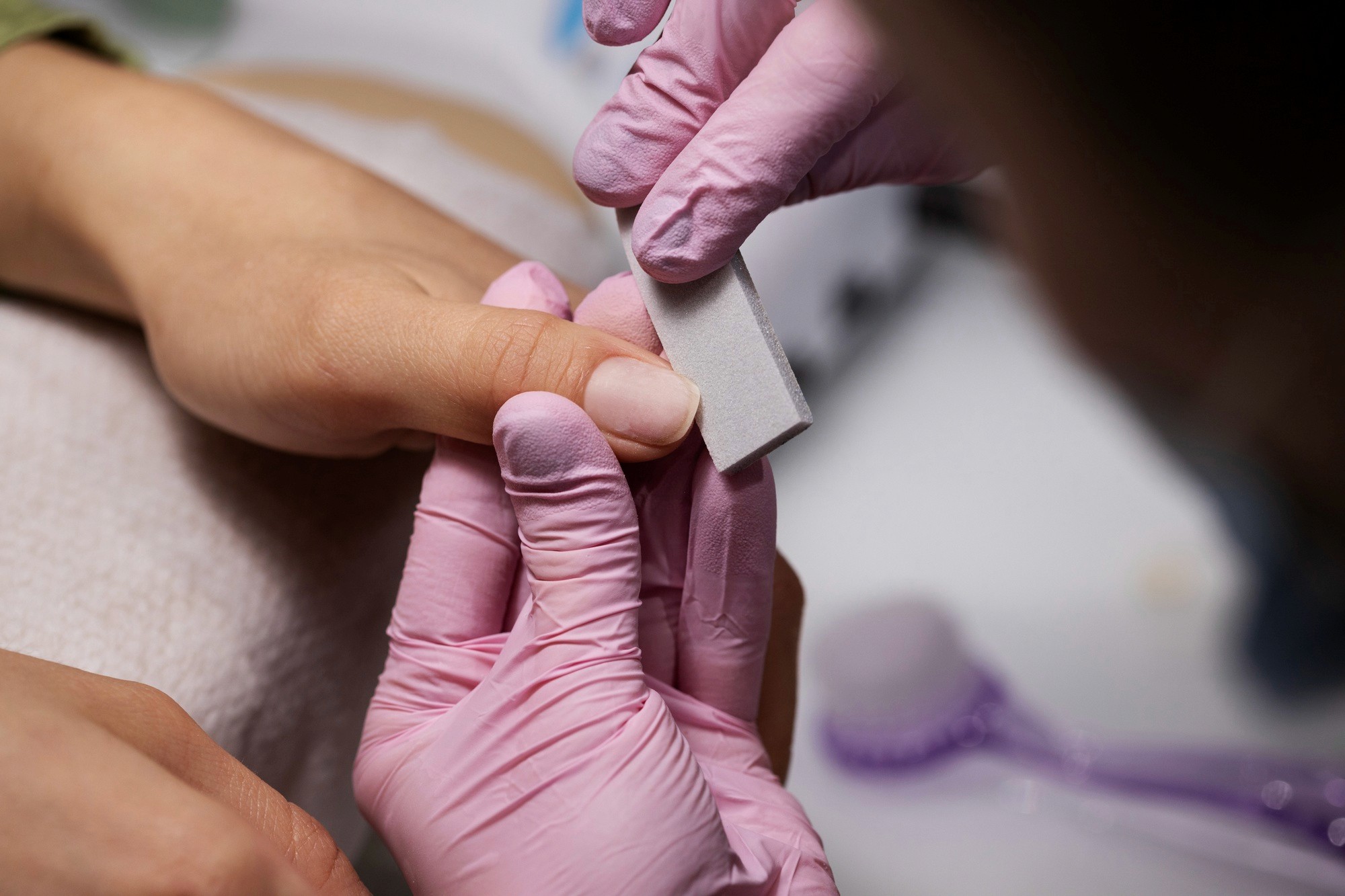
Polishing buffers and files: available in different grits for all nail types
-
Polishing creams and pastes: enriched with oils and vitamins
-
Leather or suede polishing attachments: for a natural glossy finish
-
Professional drill bits for polishing: used by experienced technicians for efficient, controlled work
Choosing the right tool depends on the nail condition and skin type. Students are trained to control pressure, speed, and movement with precision.
Step-by-Step Polishing Process
After a combined manicure, the polishing process follows a specific sequence to ensure safety and optimal results.
-
Preparation:
Clean the nail plate and remove any dust or residue from the previous steps. -
First polishing phase:
Use a fine buffer to smooth out the nail surface. Always move in the direction of nail growth to avoid damage. -
Second polishing phase:
Apply a professional polishing paste or oil containing natural waxes and vitamins to nourish and enhance shine. -
Skin care:
Gently massage the surrounding skin with nourishing oil to improve circulation and elasticity. -
Final step:
A short hand massage helps the skin absorb nutrients and relaxes the client. The result — shiny, smooth, and healthy nails without any need for additional coatings.
Benefits of Polishing After Combined Treatment
Polishing is not just an aesthetic touch — it contributes to the overall health of the nails and skin. It strengthens the nail structure, prevents irritation, and extends the results of the manicure.
Key benefits include:
-
Natural shine without polish
-
Strengthening of the nail plate through gentle sealing
-
Soothing effect on the skin after cuticle treatment
-
Improved blood circulation
-
Protection against dryness and roughness
At MONLIS School Munich, students learn to integrate polishing as a vital part of a professional manicure routine.
Aftercare and Maintenance
Proper aftercare keeps the nails healthy and shiny long after the procedure. MONLIS recommends:
-
Daily use of cuticle oil with vitamin E
-
Regular hand massages to support circulation
-
Avoiding harsh cleaning agents without gloves
-
Applying moisturizing creams after every hand wash
These simple habits help maintain softness, hydration, and a lasting natural glow.
Professional Training at MONLIS School Munich
The MONLIS School Munich offers a complete manicure and pedicure program combining theory, hygiene, and hands-on practice. Students learn the anatomy of the nail, different treatment techniques, and the art of polishing for a professional, long-lasting result.
Key training modules include:
-
Nail structure and anatomy
-
Combined manicure techniques (drill, scissors, and polishing)
-
Materials science and product knowledge
-
Practical work on real models
-
Hygiene and safety standards
Graduates leave with not just technical skills but also a deep understanding of precision, beauty, and client comfort.
Polishing the nail plate and skin after a combined manicure is the essential finishing touch that elevates the result from good to exceptional. It enhances shine, supports nail health, and leaves the skin smooth and radiant.
At MONLIS School Munich, students master this technique with professional precision and care — ensuring that every manicure reflects expertise, elegance, and passion for beauty.
Want to learn how to achieve perfectly shiny nails without polish?
Join MONLIS School Munich – your destination for modern, professional nail care education.