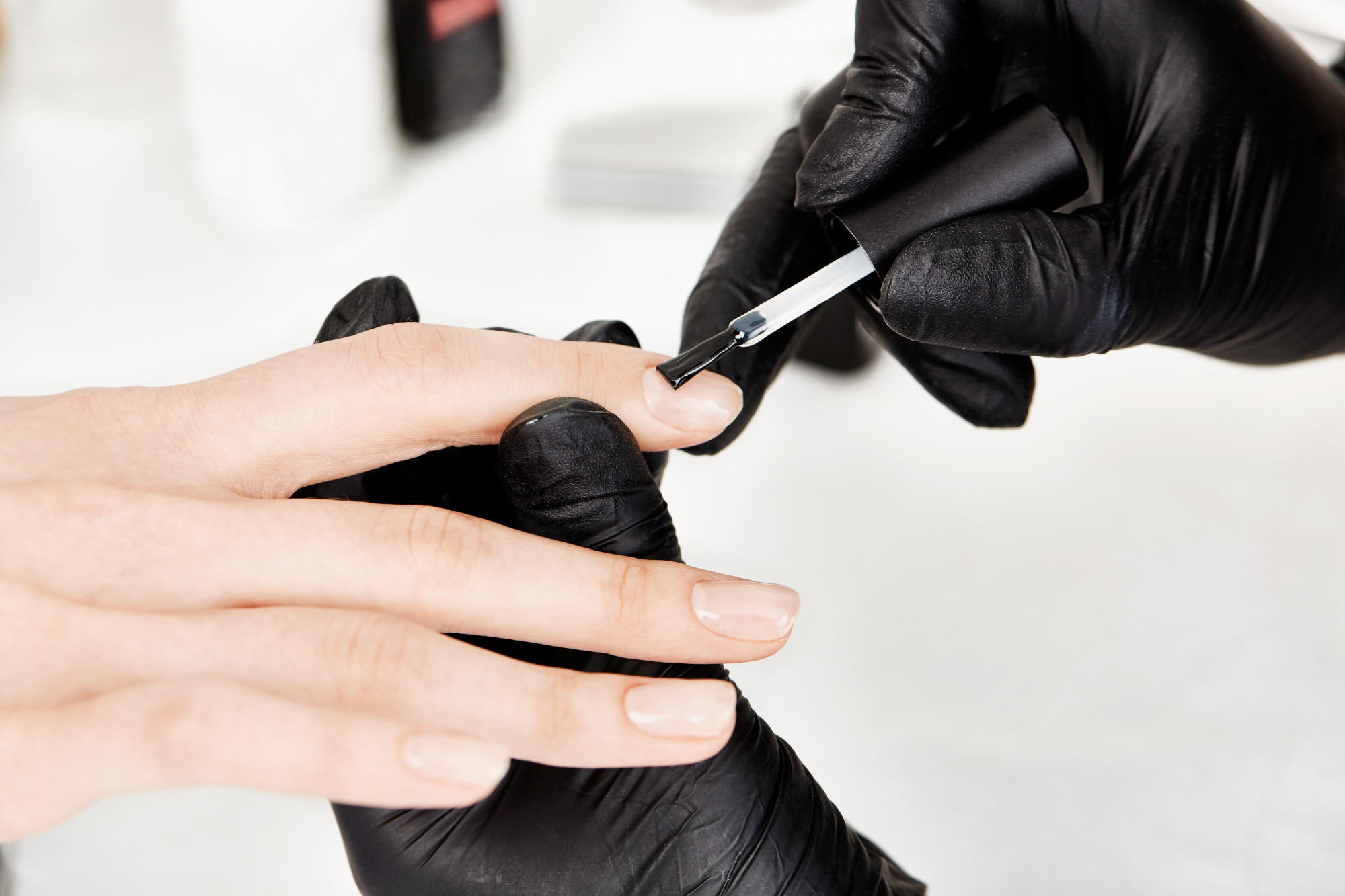
Control of coating thickness plays an important role in manicure quality, visual aesthetics, and wearing comfort. A layer that is too thin may not provide sufficient durability, while excessive thickness can visually weigh down the nail and affect its architecture. For this reason, technicians pay close attention to material distribution and maintaining proper balance.
Why Thickness Control Influences Manicure Quality
Coating thickness is directly connected to nail architecture, apex formation, and load distribution within the stress zone. A balanced layer contributes to a neat appearance and stable wear.
- maintaining surface aesthetics;
- creating proper nail architecture;
- reducing the risk of chipping;
- supporting everyday comfort;
- preserving a natural nail appearance.
Educational programs, including those at MONLIS Schule München, often consider material control a fundamental professional skill.
Key Areas of Thickness Control
When working with gel polish, understanding nail anatomy is essential. Varying thickness across different zones helps create a harmonious structure.
- a thin layer near the cuticle;
- apex as a reinforcement point;
- balanced stress zone;
- moderate thickness at the free edge.
Such distribution helps maintain visual lightness while supporting coating durability.
Professional Techniques for Material Distribution
Thickness control largely depends on application technique and material consistency. Self-leveling bases and builder gels require careful brush handling and precise product volume.
- thin base layer technique;
- drop leveling method;
- finger inversion technique;
- minimizing brush pressure;
- smooth material stretching.
These techniques help achieve even coverage without unnecessary bulk.
Common Mistakes Affecting Coating Thickness
Even experienced technicians may encounter situations where the coating becomes overly dense or uneven.
- applying excessive product;
- incorrect apex formation;
- product flooding into sidewalls;
- insufficient control of self-leveling;
- overload of the free edge.
Analyzing these issues supports technique refinement and more consistent results.
How to Achieve a Thin Yet Durable Coating
Balancing thinness and strength involves combining proper architecture with suitable material selection. Technicians often consider base density, gel flexibility, and individual nail characteristics.
- working with minimal product volume;
- layered application;
- consistent apex control;
- careful architectural filing;
- visual inspection of nail profile.
What to Consider When Controlling Coating Thickness
In practice, technicians evaluate not only overall material volume but also load distribution across the nail. Harmonious architecture develops through attention to detail and continuous visual assessment.
- surface uniformity without ridges;
- smooth transition near the cuticle;
- accurate apex placement;
- absence of heavy free edge;
- preservation of natural nail profile.