Biomechanics of lash curl: how lifting is formed is not only a matter of aesthetics, but also an understanding of hair structure. Lash lamination is based on the interaction between a professional solution, the natural elasticity of the lashes, and precise fixation. To achieve a clean and predictable result, a specialist considers the architecture of the lash curl, growth direction, and the density of the natural hair.
In professional training, including at MONLIS School — a creative educational center where modern technologies, precision, and practical experience are combined — attention is paid not only to procedural steps but also to the mechanism behind lash lifting. Future specialists study how curl formation occurs from a structural perspective.
Lash Structure and Elasticity
Each lash consists primarily of keratin fibers. Thickness, density, and the level of structural integrity directly influence how curl is formed during lash lamination.
Important factors include:
– lash elasticity,
– natural lash thickness,
– growth direction,
– level of dehydration or fragility.
According to industry observations, denser and healthier lashes may retain shape more effectively. At the same time, excessive exposure to active solutions or incorrect processing time can influence the hair structure.
The Lifting Mechanism: How Curl Is Created
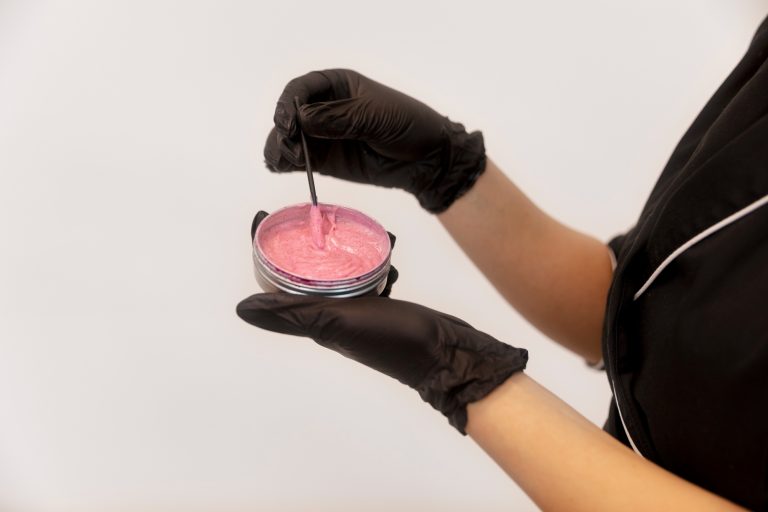
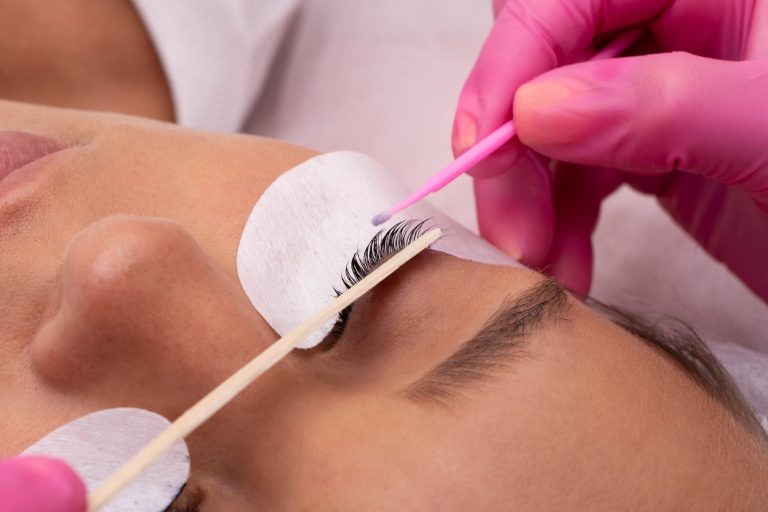
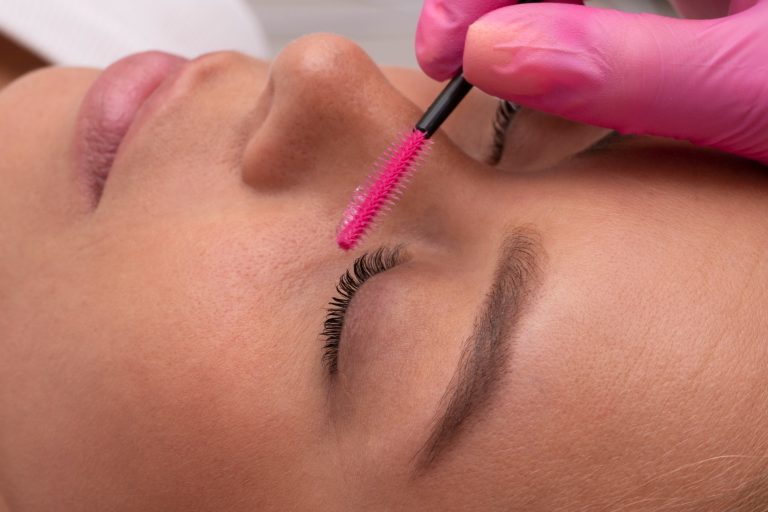
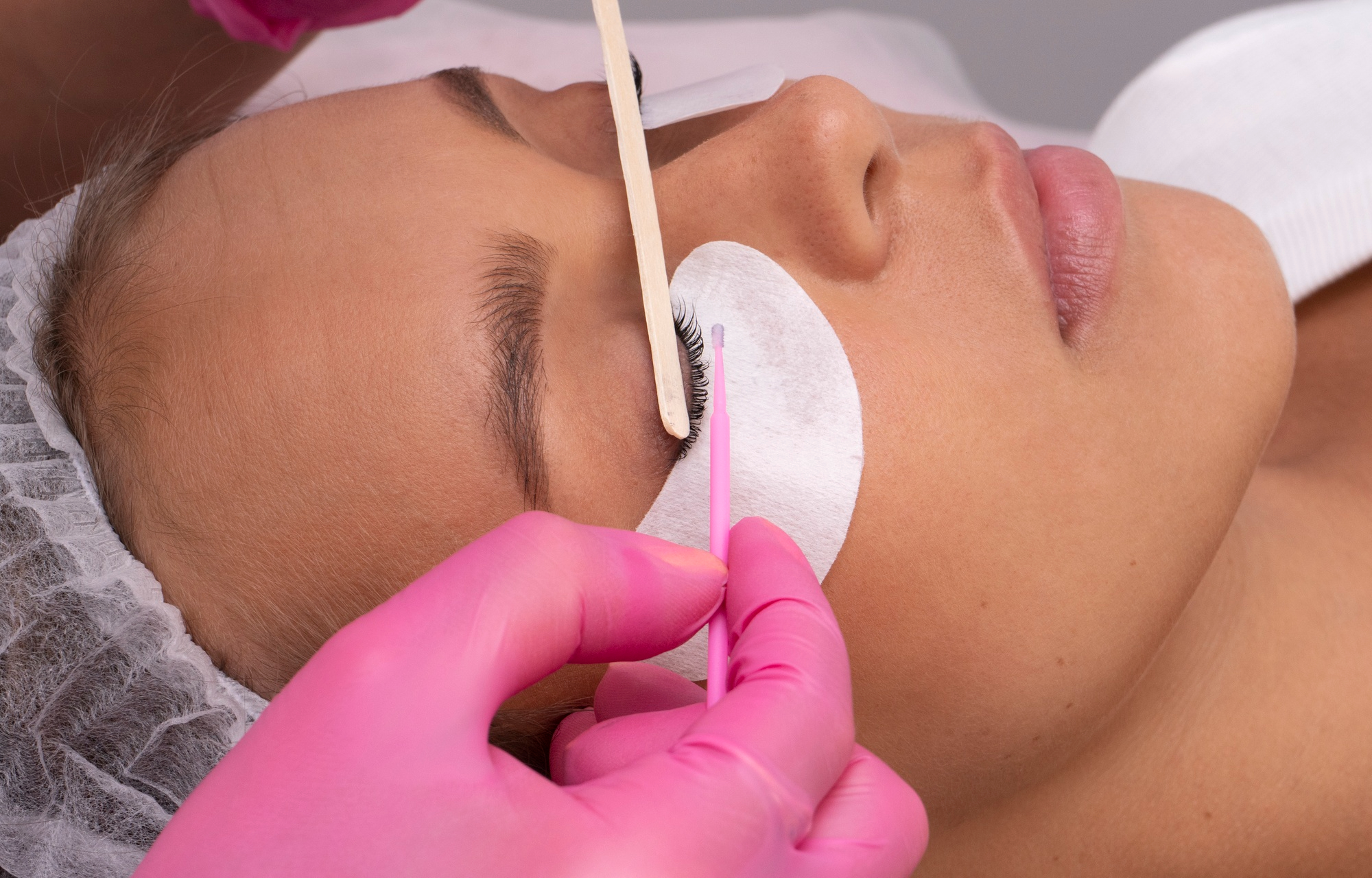
The lifting mechanism is based on temporarily reshaping the lash under the influence of professional formulations and fixing it onto a silicone shield. During the process, internal bonds are rearranged, allowing the lash to adopt a new curvature.
Curl formation depends on:
– selecting the appropriate silicone shield,
– precise lash fixation,
– accurate processing time,
– proper neutralization stage.
An incorrectly chosen shield can result in an overly sharp or insufficient curl. Size and shape are selected according to lash length and eyelid anatomy.
Factors Influencing Result Longevity
A common question concerns how long lash lifting lasts. Durability depends on individual characteristics.
Key factors include:
– the natural lash growth cycle,
– individual growth patterns,
– technical precision during the procedure,
– post-treatment care.
Based on industry experience, the visual effect may last several weeks. However, duration varies depending on the condition of the natural lashes.
Common Mistakes During Lash Lamination
Errors during lash lamination are often linked to misunderstanding the biomechanics of curl formation.
Typical issues include:
– using a formulation that is too strong for fine lashes,
– incorrect processing time,
– insufficient fixation on the shield,
– ignoring the natural growth direction.
Such factors may lead to uneven curl or reduced longevity of the result.
Comparison of Lifting and Extensions
Comparing lifting and extensions helps clarify their different approaches. Lifting reshapes the natural lashes without adding artificial fibers. Extensions involve attaching additional synthetic lashes.
Lifting can visually elevate the lashes and create a more open look without increasing volume. The choice depends on the client’s natural lashes and the desired visual outcome.
Professional Training at MONLIS School
At MONLIS School, training focuses on analyzing lash structure, selecting shields, and understanding each stage of lamination. Students learn to evaluate hair density, elasticity, and anatomical features of the client.
Hands-on practice supports more precise results and reduces the likelihood of technical errors.
Lash curl is formed with consideration of structure, elasticity, and growth direction. Proper shield selection and accurate timing influence the final shape. Result longevity depends on individual characteristics and technical precision. Understanding lash biomechanics allows specialists to work more consistently and predictably.