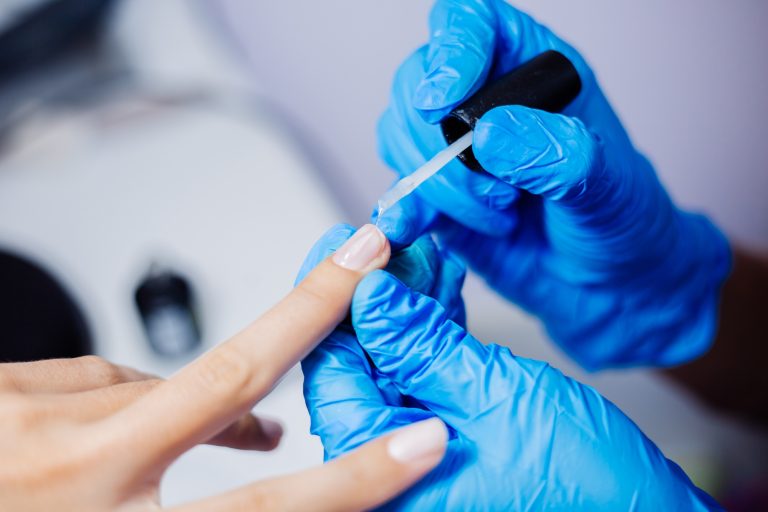
Gel polish, also known as shellac or UV polish, is one of the most popular ways to achieve long-lasting, glossy nails. At MONLIS School in Munich, the leading school for manicure and pedicure, students not only learn the basics of gel polish application but also the specific techniques for different nail types. Since every nail is unique, understanding its structure, thickness, and condition is key to achieving a perfect result.
What Is Gel Polish and Why Is It So Popular?
Gel polish combines the best of traditional nail polish and builder gel. It stays chip-resistant for up to three weeks, delivers a beautiful shine, and requires no daily touch-ups. The curing process under a UV or LED lamp ensures instant dryness, making it ideal for clients with busy lifestyles.
The Importance of Nail Analysis
Before applying gel polish, it is crucial to analyze the client’s nails. At MONLIS School, students are trained to evaluate:
-
Nail strength and thickness – which determines the type of base coat to use.
-
Presence of ridges or damage – which may require a leveling base or special technique.
-
Moisture level of the nail plate – dry nails often need additional care before application.
This analysis is vital to prevent lifting, peeling, or chipping.
Application Techniques for Different Nail Types
1. Thin and Soft Nails
Thin nails bend easily and break more often. For them, we recommend:
-
Strengthening base coats with higher viscosity.
-
Careful dehydration of the nail plate to improve adhesion.
-
Thin, even layers to avoid adding extra weight to the nails.
2. Brittle and Damaged Nails
When working with fragile nails, gentle preparation is essential:
-
Avoid aggressive filing and excessive cuticle removal.
-
Use nourishing primers or keratin-strengthening products.
-
Suggest a recovery break between applications to allow natural growth.
3. Strong and Thick Nails
Thicker nails are ideal for gel polish because they hold the shape well:
-
Lightly buff the surface to improve adhesion.
-
Apply thin, even layers to avoid over-curing.
-
Seal the free edge properly to prevent premature chipping.
Preparation Is the Key to Long-Lasting Results
Proper preparation is one of the most important steps in gel polish application. At MONLIS School, students learn how to carefully remove cuticles, buff the surface, dehydrate, and apply the right base. This process is crucial for achieving perfect adhesion and durability on all nail types.
Aftercare Recommendations for Clients
Even the best gel manicure requires good aftercare:
-
Moisturize regularly with oils and creams to prevent dryness.
-
Protect nails from harsh chemicals by wearing gloves during cleaning.
-
Schedule regular maintenance or removal to avoid stress on the natural nail plate.
Professional Training at MONLIS School
Our students receive thorough theoretical and practical training, including:
-
Nail type analysis and identification of common issues.
-
Product selection for specific nail conditions.
-
Hands-on practice with real models to achieve salon-quality results.
Thanks to this approach, graduates of MONLIS School are fully prepared to deliver personalized, high-quality services to their clients.
Applying gel polish is more than a beauty routine – it’s a professional skill that requires precision and knowledge. Different nail types demand different approaches to ensure optimal results. At MONLIS School in Munich, students learn how to adapt gel polish techniques to each client, ensuring perfect adhesion, long wear, and healthy natural nails.