Risiken und Folgen von Wimpernverlängerungen auf „jungen“ Naturwimpern
Nicht kategorisiert

Risks and Consequences of Eyelash Extensions on “Young” Natural Lashes

28. Aug 2025 admin 2 Min. Lesezeit

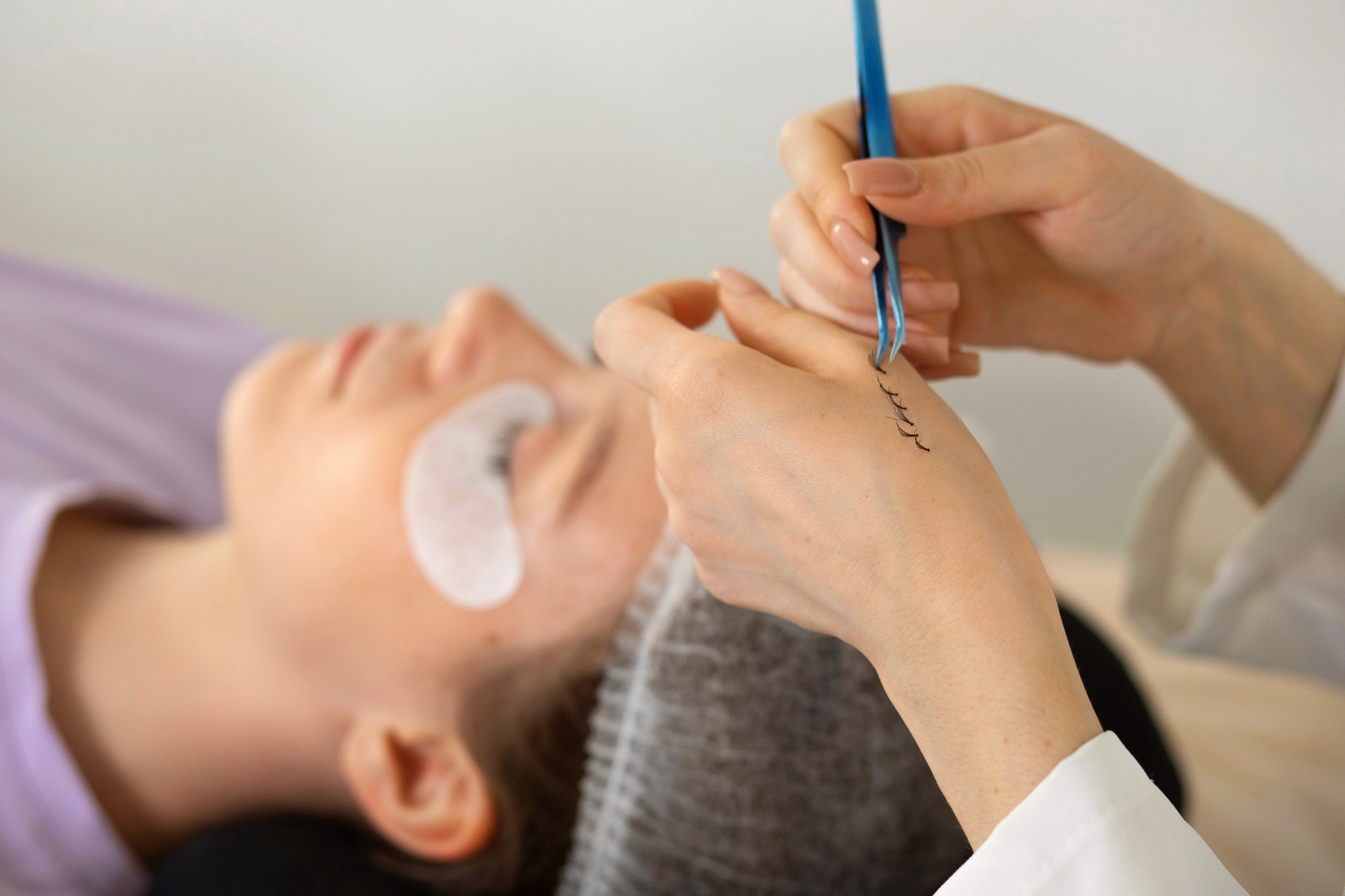
Eyelash extensions are one of the most popular beauty treatments and an essential part of modern salons. However, not every natural lash is suitable for extensions. Especially “young” lashes – not yet fully developed and stable – present a special challenge for lash stylists. At MONLIS School in Munich, one of the leading academies for manicure, pedicure, and lash treatments, great emphasis is placed on recognizing risks early and working responsibly with clients.

What Are “Young” Lashes?

“Young” lashes are hairs still in the early growth stage (anagen phase). They are thinner, shorter, and more fragile than mature lashes. Applying heavy extensions or using unsuitable techniques can permanently damage these delicate hairs.

Risks of Working on Immature Lashes

  1. Overloading natural lashes
    Applying extensions to weak hairs can cause breakage, deformation, or premature loss. Natural growth is disrupted.

  2. Delayed regeneration
    Young lashes need time to strengthen. Extensions can slow or even block this natural regeneration.

  3. Higher risk of gaps
    Because immature lashes lack the same strength as mature ones, uneven gaps and unattractive results are more likely.

  4. Possible skin irritation
    Using adhesive near the sensitive eyelid area increases the risk of irritation when lashes are too weak.

  5. Permanent damage
    Repeated treatments on young lashes may disrupt the overall growth cycle, leading to thinner and weaker lashes long-term.

The Lash Stylist’s Responsibility

At MONLIS School Munich, students are trained to carefully analyze lash conditions. Stylists learn how to assess lash maturity and make responsible decisions. This includes:

  1. Individual client consultation – Honest information about risks.

  2. Technique adjustment – Using lighter, shorter extensions or refusing treatment if lashes are not strong enough.

  3. High-quality products – Gentle adhesives and materials to minimize risks.

  4. Long-term care plans – Advice on lash care and treatment breaks.

Professional Training at MONLIS School

Anyone training to become a lash stylist at MONLIS School Munich receives in-depth knowledge of anatomy, lash growth phases, and responsible application methods. Along with hands-on practice, theory plays a major role in preparing future professionals to recognize and prevent risks.

Eyelash extensions require not only technical skills but also responsibility. “Young” lashes are especially delicate and should never be treated like mature ones. At MONLIS School Munich, future stylists are taught how to combine beauty with safety, ensuring both healthy results and satisfied clients.
Frequently Asked Questions

“Young” lashes are natural hairs that are still in the active growth stage (anagen phase). At this point, they are shorter, thinner, and more fragile compared to mature lashes. Because they have not yet developed full strength and elasticity, they cannot support the extra weight of artificial extensions. Applying even lightweight extensions to these lashes may damage the follicle, disrupt the natural growth cycle, and negatively affect the overall health of the lash line.
The main danger is overloading fragile hairs. Immature lashes are more likely to break, deform, or fall out prematurely, which can leave noticeable gaps and lead to uneven results. Continuous stress on weak lashes may also slow down their natural growth, cause thinning, and reduce density. In the long term, this can interfere with the natural growth cycle, resulting in weaker, less voluminous lashes overall.
A professional stylist evaluates several factors, including lash thickness, length, and overall strength. “Young” lashes are usually easy to identify because they are much shorter and finer than mature hairs. At MONLIS School in Munich, students are trained in detailed lash analysis techniques: they learn to assess lash density, direction of growth, and resilience. If lashes appear too delicate, a responsible stylist will either postpone the procedure or suggest a gentler option using lighter materials.
Yes, but only with the correct approach. A skilled lash stylist will never apply extensions to fragile hairs. Instead, they work selectively, attaching extensions only to strong, mature lashes capable of bearing the weight. Lightweight and delicate extensions are chosen to minimize strain. This method maintains lash health while still delivering a beautiful result. At MONLIS School, students are specifically trained to balance aesthetics with safety by working responsibly and avoiding unnecessary risks.
Proper aftercare is essential. Clients are advised not to rub their eyes or use oily creams and products near the eyelids, as oils weaken the adhesive. Lashes should be cleaned regularly with special foams and brushes to prevent the buildup of dirt and bacteria. Mascara, particularly waterproof formulas, should be avoided since it adds weight and makes cleansing difficult. Scheduled breaks between treatments are also important to give natural lashes time to recover. At MONLIS School, stylists are taught that professional client consultation and correct aftercare guidance are key to achieving safe, long-lasting results.
Chat