Working with pigments is one of the most important skills for professional brow stylists. The correct selection, mixing, and application of colors determines the final result and client satisfaction. At MONLIS School Munich, we provide future brow professionals with in-depth knowledge of pigments, enabling them to achieve safe, harmonious, and long-lasting results.
1. What Are Pigments in the Brow Industry?
Pigments are color-giving substances specially formulated for cosmetic applications such as microblading, permanent makeup, or henna brows. They consist of colored particles suspended in a carrier fluid, applied directly to the skin or brow hairs.
2. Main Types of Pigments
In the beauty industry, the following types are most common:
-
Organic pigments – richer, more vibrant colors, ideal for intense looks.
-
Inorganic pigments – natural, soft shades with high durability.
-
Hybrid pigments – a combination of organic and inorganic components, blending vibrancy with longevity.
3. Key Pigment Properties
A professional brow stylist should know the following parameters:
-
Color tone and undertone – matching skin type and hair color.
-
Coverage – determines the intensity of the result.
-
Particle size – affects absorption and durability.
-
Light and color fastness – prevents premature fading.
-
Viscosity – influences ease of application.
4. Color Theory and Pigment Selection
A solid understanding of color theory is essential to avoid unwanted color shifts. At MONLIS School, we teach how to use primary, secondary, and complementary colors to achieve harmonious results.
-
Warm pigments correct ashy undertones.
-
Cool pigments neutralize warm, reddish tones.
-
Neutral pigments are versatile and suit many skin types.
5. Pigment Application Techniques
Depending on the method, pigment application differs:
-
Henna brows – surface coloring of skin and hair, ideal for temporary looks.
-
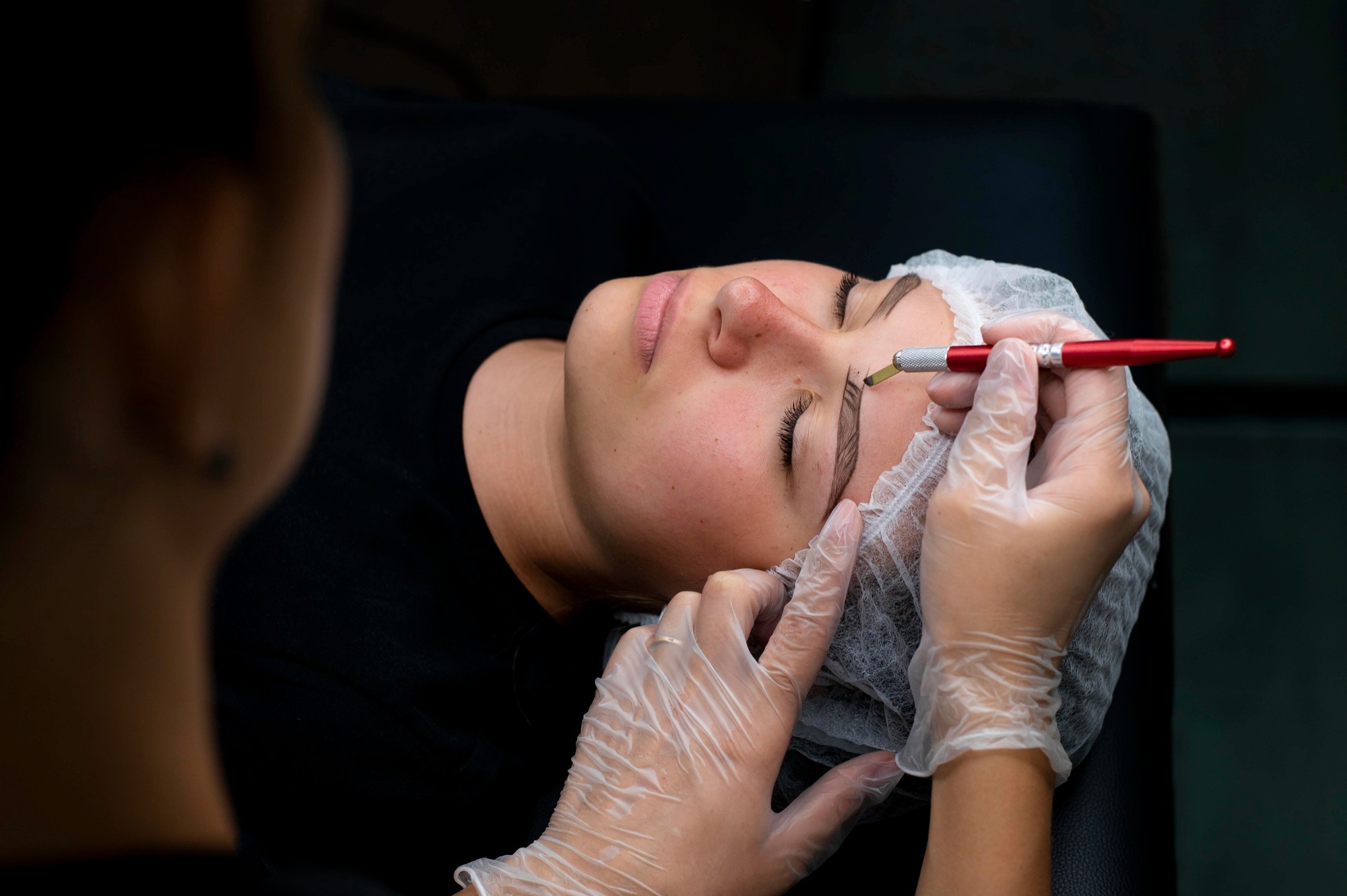
Microblading – precise insertion of pigment into the skin using fine blades.
-
Permanent makeup (PMU) – machine application for long-lasting effects.
6. Influence of Skin Type and Aftercare
Pigments react differently depending on skin condition:
-
Dry skin – better longevity due to lower oil production.
-
Oily skin – pigment may fade faster.
-
Mature skin – requires gentler techniques and adjusted pigment choice.
Proper aftercare with specialized creams or oils significantly improves color retention and vibrancy.
7. Safety and Quality Standards
At MONLIS School Munich, we emphasize:
-
Use of certified, hypoallergenic pigments.
-
Strict hygiene and tool sterilization.
-
Patch tests before treatment to avoid allergic reactions.
8. Pro Tips from MONLIS School
-
Always analyze the skin undertone before selecting pigments.
-
Account for color changes after the healing phase.
-
Apply pigments in thin layers for a natural look.
-
Test pigments regularly on practice skins or paper to check nuances.
Understanding pigments is essential for any brow stylist. At MONLIS School Munich, you will learn how to choose the right pigments, apply them professionally, and create perfect, customized results for every client. This expertise will help you enhance your skills, expand your service range, and boost client satisfaction.