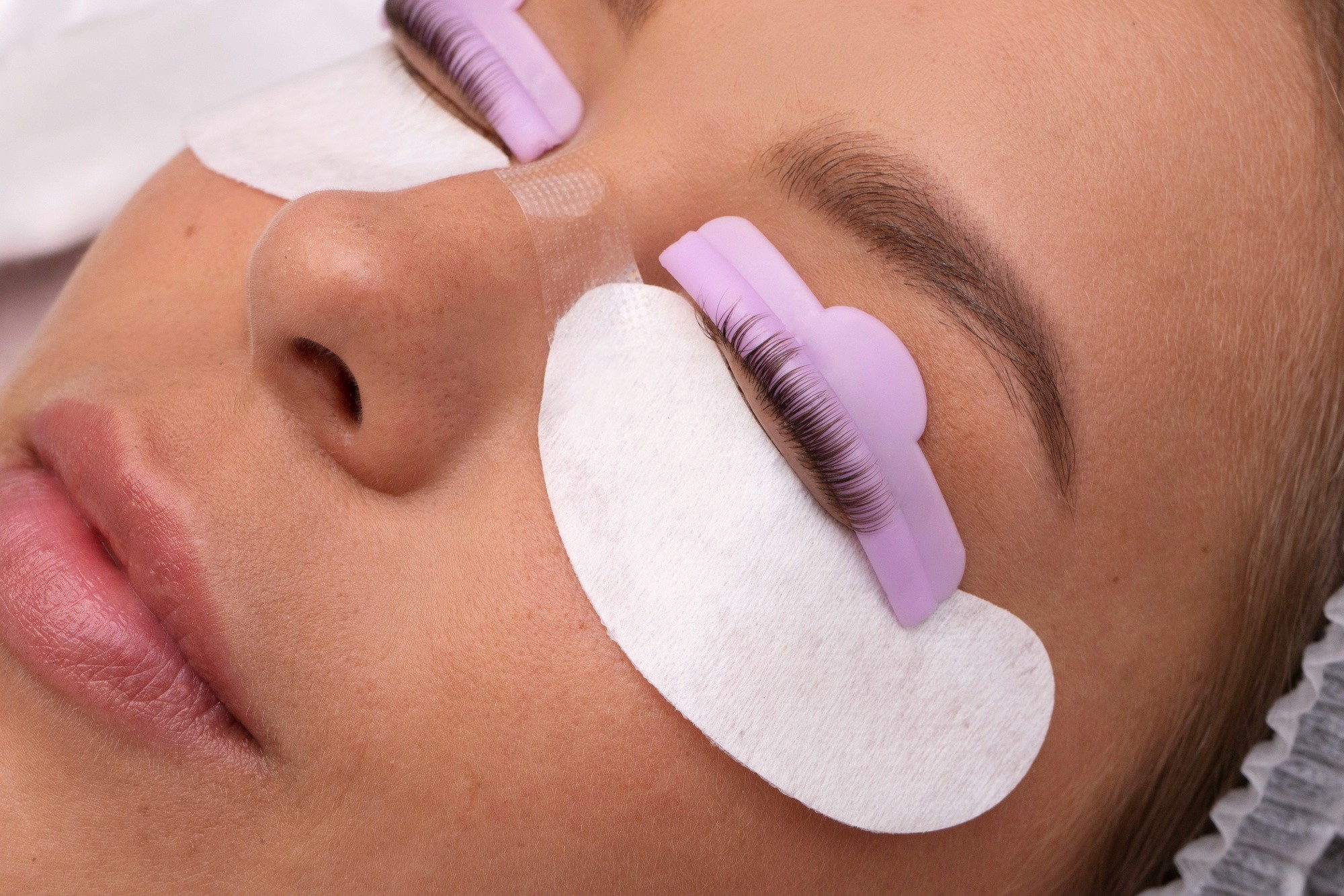
Lash lifting is a popular beauty procedure that enhances the natural curl and appearance of the eyelashes. However, not all products used in this treatment are of equal quality. Using subpar materials can lead to irritation, brittle lashes, and unsatisfactory results. At MONLIS School in Munich – one of the leading beauty academies – we teach how to recognize and avoid low-quality lash lifting products.
1. Why Product Quality Matters in Lash Lifting
A successful lash lift depends not only on good technique but also on high-quality products. Cheap or faulty materials may:
-
Cause allergic reactions or eye irritation
-
Damage the natural lash structure
-
Deliver poor or uneven results
-
Harm the professional’s reputation
At MONLIS School, we emphasize both proper application and safe product selection in our training programs.
2. Signs of Poor-Quality Products
a) Missing or Incomplete Labeling
If a product lacks full ingredient listing, expiration date, or batch number, be cautious. These are required by law and indicate product safety.
b) Strange Smell or Texture
Professional lifting lotions should have a mild, neutral scent. A sharp chemical odor may signal harmful ingredients. Clumpy or overly liquid textures can also point to improper storage or expired formulas.
c) No Certification or Testing Information
Look for dermatological test results, CE marking, or certifications. If these are missing, the product may not be approved for use near the eyes.
d) Suspiciously Low Price
If a lash lift kit costs a fraction of the standard price, it’s likely too good to be true. Counterfeit or low-grade products often contain unsafe substances.
3. Dangers of Using Low-Quality Products
The eye area is extremely delicate. Using untested or harmful lash lifting products can lead to:
-
Redness, swelling, or rashes
-
Irritation or burns on the eye’s mucous membrane
-
Lash breakage or hair loss
-
Long-term damage to lash follicles
These outcomes can result in unhappy clients and even legal liability for the practitioner.
4. MONLIS School’s Safety Tips for Product Selection
✓ Stick to Trusted Brands
Only use professional, certified brands known for quality and reliability.
✓ Request Certifications and Test Reports
Ensure the product complies with EU cosmetic safety standards.
✓ Read Reviews and Seek Recommendations
Networking with other professionals or attending professional courses like those at MONLIS School can help you find the best products.
✓ Store and Use Products Properly
Even top products can become dangerous if stored incorrectly. Always follow instructions for temperature and shelf life.
5. Product Training at MONLIS School: A Key to Success
Our courses focus heavily on product knowledge. Students learn:
-
The differences between top brands
-
How to recognize fake or expired products
-
Which ingredients are most skin-friendly
-
How to handle returns and complaints properly
We prepare future lash professionals for a safe and successful career.
Great lash lifts start with great products. At MONLIS School in Munich, we teach how to spot low-quality lash lifting products and choose safe, effective alternatives. When you prioritize both skill and quality, you deliver better results and build lasting trust with clients.
Want to learn more about our lash lifting training? Visit the MONLIS School website and start your journey to professional excellence today!