Severe dryness of the skin on the feet, a tendency to cracks, and pronounced hyperkeratosis are among the most common reasons clients seek professional pedicure services. In such cases, superficial care provides only a short-term effect. A combined pedicure allows controlled and gentle work with the stratum corneum, improves the appearance of the skin, and creates conditions for its gradual recovery without unnecessary trauma.
Why a classic pedicure is often not enough for severe dryness
With xerosis, the skin loses moisture, elasticity, and part of its protective lipid barrier. The horny layer becomes thicker, micro-cracks appear, and the natural regeneration process slows down. Neither purely аппаратная nor only cutting techniques can solve the problem comprehensively. The combined approach integrates both methods and makes it possible to:
- precisely control the depth of keratin removal
- reduce the risk of new cracks forming
- prepare the skin for intensive restorative care
Preparing the skin for the procedure
Before the treatment, the degree of dryness, the presence of cracks, skin sensitivity, and the general condition of the feet are assessed. Mild keratolytic products with urea or low-concentration acids are used to soften the stratum corneum and facilitate further work. Aggressive agents and prolonged soaking are avoided so as not to weaken the skin barrier.
Apparatus treatment and control of hyperkeratosis
The choice of burs depends on the density and thickness of the horny layer. Work is performed layer by layer, without excessive pressure or overheating. The main goal is to smooth the surface, remove excess keratin, and identify areas that require more precise correction. Special attention is paid to the edges of the heels and the ball of the foot, where cracks most often develop.
Targeted work with cutting instruments
In the combined technique, dense areas may be carefully refined with a scalpel or similar tools. The removal is minimal and limited strictly to the keratinized tissue. The aim is to smooth the edges of cracks and reduce pressure zones so that care products can be absorbed evenly and the skin texture becomes more uniform.
Restorative care and occlusion
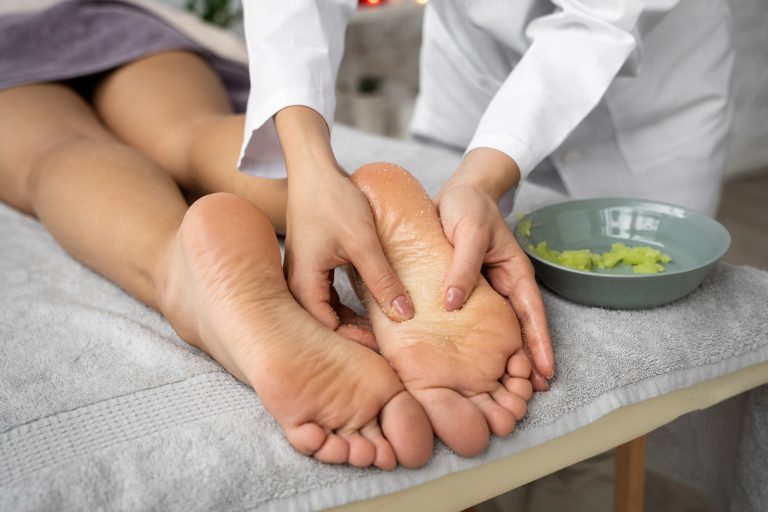
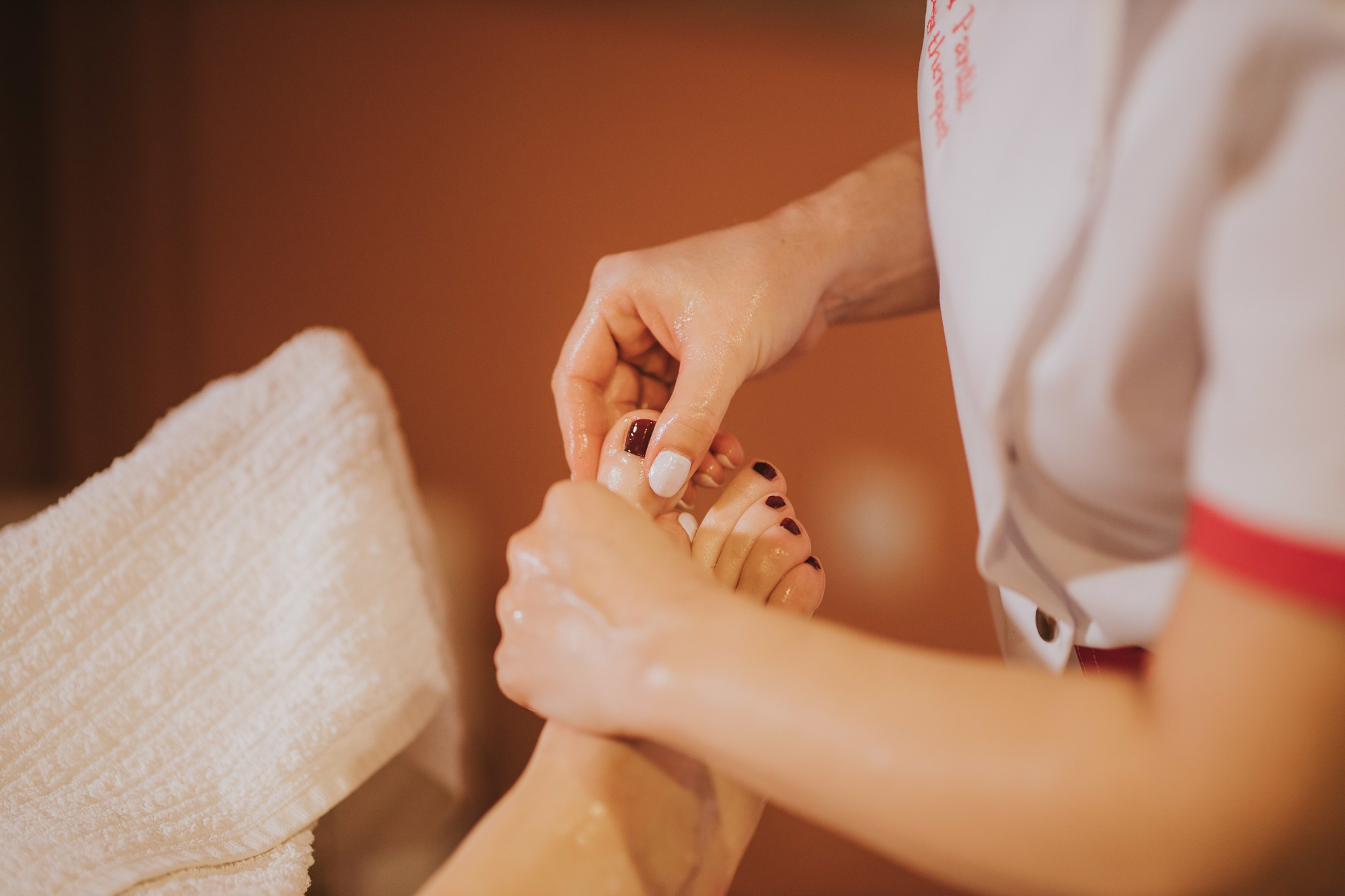
After treatment, the skin is particularly receptive to active ingredients. Products containing urea, panthenol, ceramides, and nourishing oils are applied, as well as occlusive masks that help retain moisture and support the barrier function. With regular use, the skin gradually becomes softer and more elastic.
Home care as part of the protocol
Without proper aftercare, the effect of the procedure will be short-lived. Daily use of creams with moisturizing and lipid-restoring components, protection against further dehydration, and regular follow-up visits are recommended.
Key points about Combined Pedicure for Severe Skin Dryness: Step-by-Step Protocol
The combination of apparatus and manual techniques allows especially precise and gentle treatment.
Layer-by-layer removal reduces the risk of skin injury and cracking.
Correct selection of burs and instruments is more important than the force applied.
Intensive post-treatment care is an essential part of the protocol.
Long-term improvement is possible only with regular professional and home care.