The cuticle plays a central role in every manicure. It protects the nail bed, influences the appearance of the hands, and determines how well-groomed a manicure looks. At MONLIS School Munich, future nail technicians learn that mastering the right technique is just as important as choosing the right tool. Whether to use a drill or scissors depends on the client’s skin type, the condition of the cuticle, and the desired outcome.
Understanding the Cuticle
The cuticle consists of dead skin cells forming a natural barrier between the nail plate and the skin. When it becomes thick, dry, or grows over the nail edge, it can look unappealing and even cause inflammation. The goal of a professional treatment is to remove excess skin gently without damaging the delicate nail bed.
Working with a Drill: Precise and Efficient
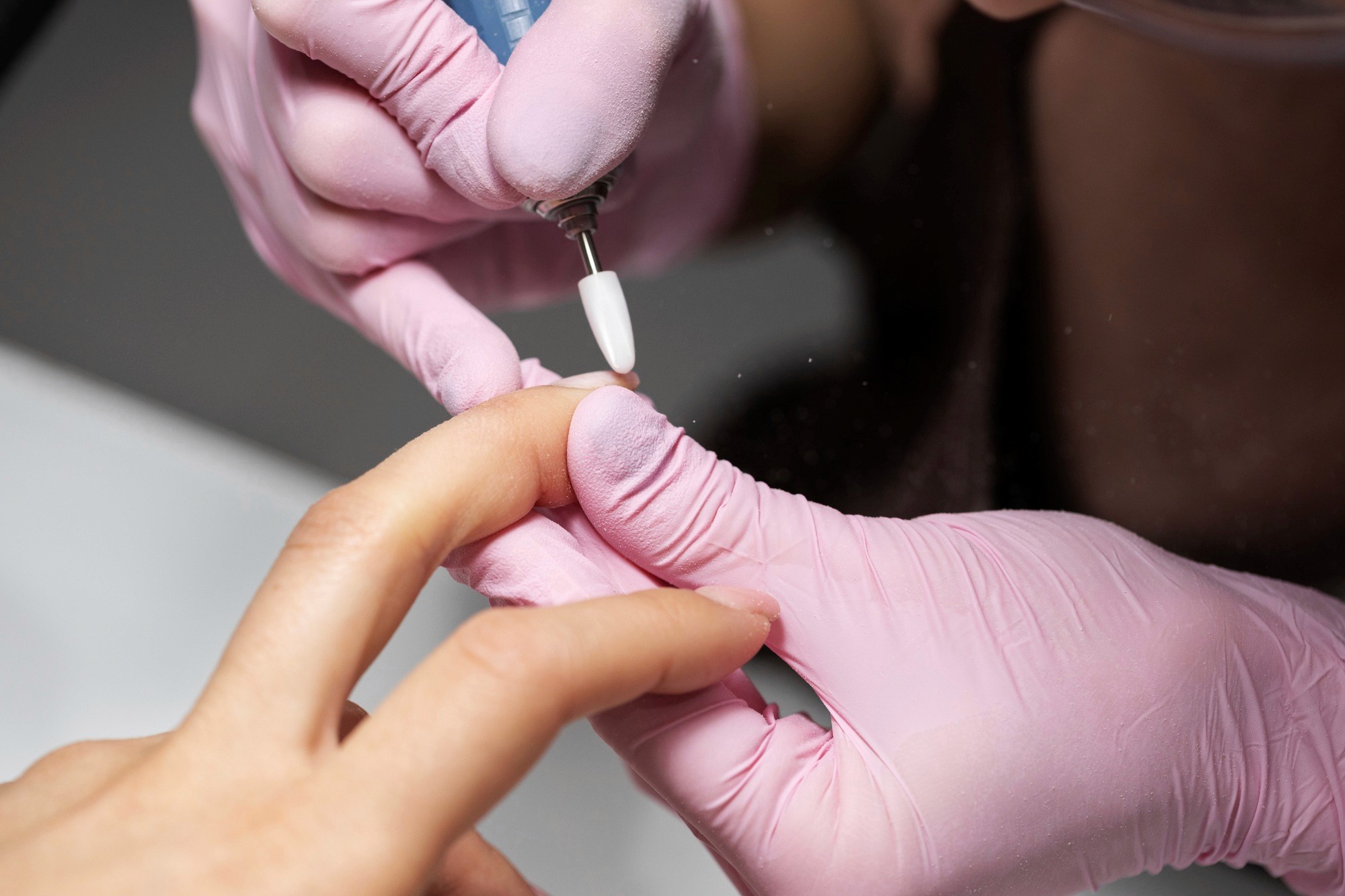
The drill is an essential tool in modern manicure. It allows highly precise work, especially with dry or thickened cuticles. At MONLIS School, great emphasis is placed on correct handling to avoid any risk of injury.
Advantages of using a drill:
-
Clean removal of dead skin cells
-
Quick and hygienic work process
-
Perfect for regular clients with well-maintained hands
-
Various bits for individual adjustment
When to use a drill:
-
For thickened or dry cuticles
-
For experienced technicians who seek both speed and precision
-
When performing combination or Russian manicure techniques
Important: Without proper training, a drill can easily cause damage. Therefore, at MONLIS School, every student receives detailed instruction on safety and hygiene before working with clients.
Working with Scissors: Gentle and Controlled
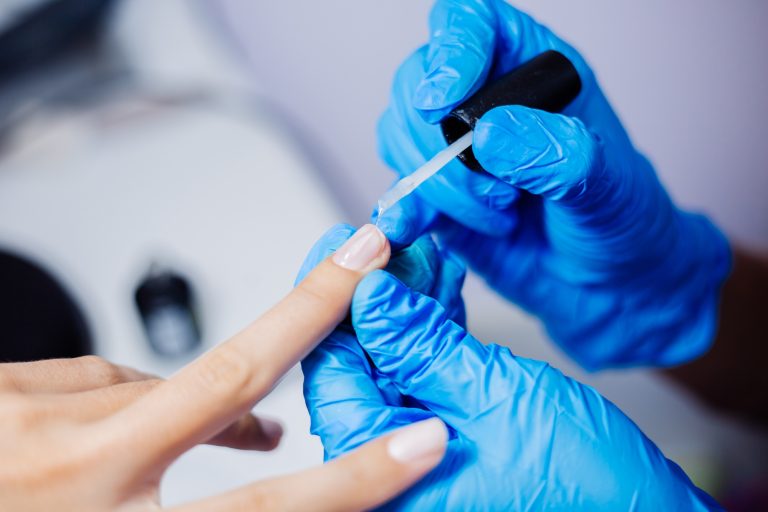
The classic method with manicure scissors or nippers remains an integral part of professional nail education. Especially for clients with sensitive or thin skin, this approach is often the best choice.
Advantages of using scissors:
-
Greater control for sensitive skin
-
Gentle treatment without irritation
-
Excellent for beginners and occasional treatments
When to use scissors:
-
For thin, delicate, or easily irritated skin
-
When clients are prone to micro-cuts or dryness
-
For detailed work on hard-to-reach areas
MONLIS School tip: Always disinfect tools, ensure blades are sharp, and store them properly to maintain safety and precision.
Combining Both Techniques
Experienced nail technicians often combine both methods. First, the drill is used to lift and clean the cuticle; then, the scissors refine and perfect the result. This combination is part of the professional manicure training at MONLIS School Munich.
Advantages of the combination:
-
Perfectly polished nail edges
-
Long-lasting results
-
Reduced risk of irritation
-
Aesthetic and natural finish
Instructors at MONLIS School ensure that every student understands when and how to combine techniques for optimal results – creating healthy, beautiful nails every time.
Hygiene and Skin Care
Regardless of the method, hygiene is key. All tools must be disinfected and sterilized after each client. Proper post-treatment care, such as moisturizing oils and creams, prevents dryness and promotes regeneration.
Recommended by MONLIS School:
-
Use of professional disinfectants
-
Sterilization in an autoclave
-
Application of vitamin-enriched cuticle oils
-
Gentle massage to stimulate blood circulation
Professional Training at MONLIS School Munich
Anyone who wants to master working with both drills and scissors will find the ideal learning environment at MONLIS School Munich. The curriculum combines theory, practice, and hygiene fundamentals. Students practice on real models, learning how to adapt their techniques to various skin types and achieve precise, aesthetic results.
Course highlights:
-
Anatomy and structure of the cuticle
-
Techniques for different skin and nail types
-
Safety, disinfection, and hygiene standards
-
Combination methods for perfect results
Graduates leave with not only strong technical skills but also a deep understanding of beauty, care, and client comfort.
Choosing between a drill and scissors depends on experience, skin type, and desired results. While the drill offers precision and efficiency, scissors allow gentle, controlled work. At MONLIS School Munich, students learn to master both methods confidently – achieving flawless, healthy nails and professional results every time.
Want to perfect your manicure technique and learn professional cuticle treatment?
Join MONLIS School Munich – your destination for modern, hands-on beauty education.