Why back hair removal is no longer relevant only for athletes and models clearly shows how beauty routines have evolved in recent years. A similar shift can be seen in the eye area. Eyelash lamination has moved beyond being a trend treatment and has become an integral part of professional beauty services. For aspiring lash artists, choosing the right technology determines how stable the result will be, how safe the procedure is, and how sustainably client satisfaction can be maintained. Although many systems pursue the same goal, they differ significantly in structure, effect, and professional requirements.
What Is Meant by Modern Eyelash Lamination
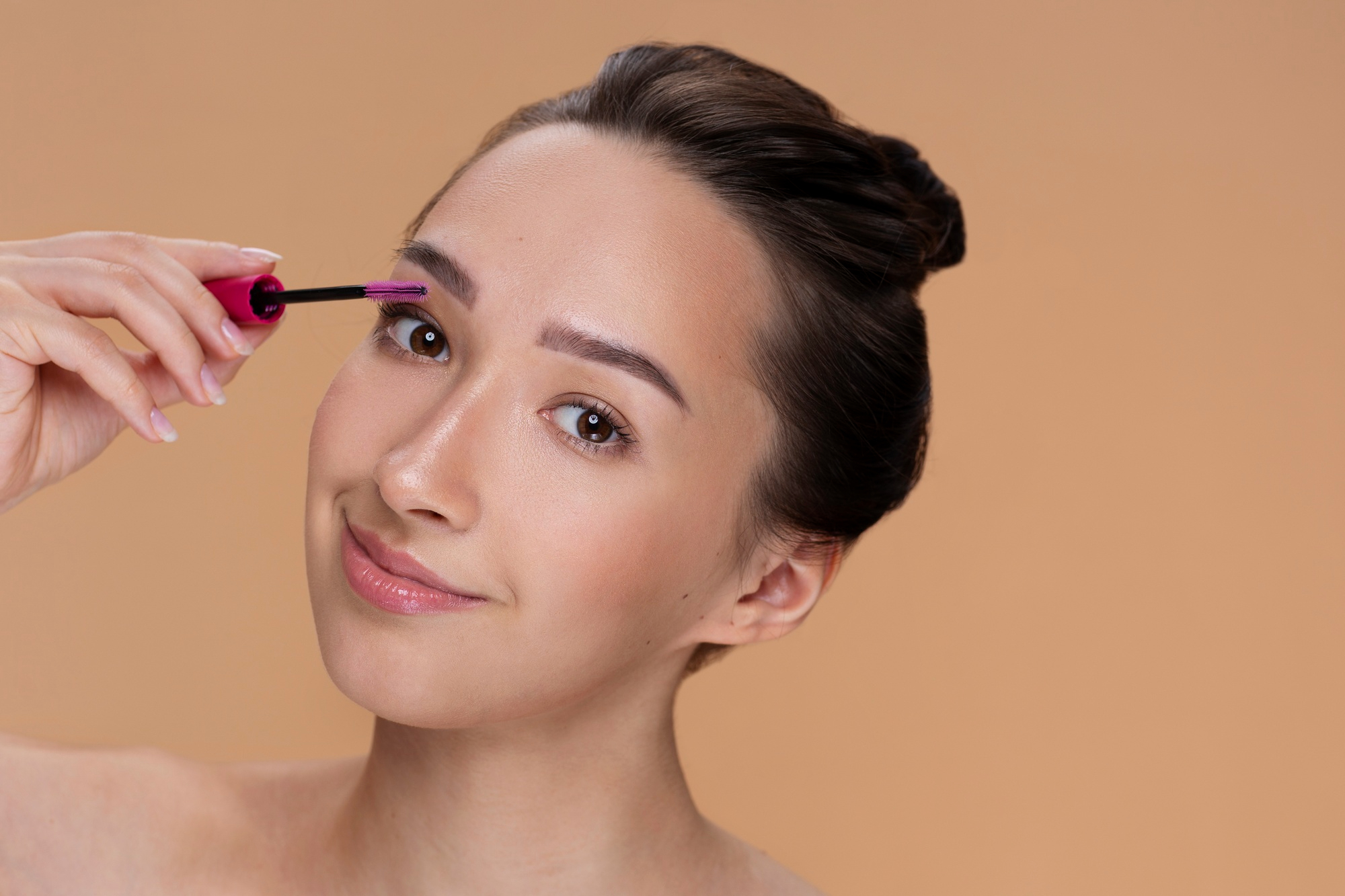
Eyelash lamination combines reshaping, fixation, and care in a single treatment. The goal is to enhance the natural curl of the lashes, visually lengthen them, and give them a more defined appearance. Unlike eyelash extensions, the procedure works exclusively with natural lashes. This is precisely why the choice of technology is so important: it must be controllable, effective, and as gentle as possible to preserve lash structure in the long term.
Overview of Common Technologies and Systems
Several lamination systems have become established in professional practice and training. Among the most well-known are LVL Lashes, Yumi Lashes, InLei Lash Filler, My Lamination, and combined lash lifting systems with additional care components such as Lash Botox. These systems differ not only in name, but also in process logic, ingredient composition, and the final result they deliver.
LVL-based systems follow clearly structured steps for reshaping and fixation and are widely used in training environments. Yumi Lashes places greater emphasis on conditioning ingredients and is often suitable for fine or sensitive lashes. InLei Lash Filler combines lamination with an intensive nourishing effect and is frequently chosen for clients with higher expectations.
Differences in Composition and Mode of Action
One of the key differences between lamination technologies lies in the ingredients used and their mechanism of action. Modern systems increasingly avoid aggressive components and rely on controlled chemical processes. Nevertheless, the intensity of reshaping varies considerably. For aspiring professionals, it is essential to understand how processing time, lash structure, and product strength interact.
Technologies with stronger reshaping effects require precise timing and advanced experience. Gentler systems offer greater safety for beginners but usually deliver a more subtle result. Choosing the right technology therefore depends on the level of training and the desired outcome.
Durability of Results and Client Perception
Depending on the technology and aftercare, the effect of eyelash lamination typically lasts between four and eight weeks. Systems that include nourishing components often provide more even regrowth, while more intensive methods can create a striking initial effect. For clients, the immediate visual impact is important, but so is how the lashes behave and feel in the weeks following the treatment.
Why back hair removal is no longer limited to athletes and models can be observed here as well: modern clients expect comfort, natural-looking results, and long-term compatibility rather than short-lived effects.
Training Requirements and Technical Precision
Not every lamination technology is equally suitable for beginners. Systems with complex procedures require solid training and a good understanding of lash anatomy. In a professional manicure and pedicure school in Munich, didactic structure plays a crucial role in lash education as well. Students learn not only step-by-step techniques, but also analysis, decision-making, and risk assessment.
High-quality education teaches how to match the right technology to the lash type and how to implement individual client expectations professionally.
Common Mistakes When Choosing a Technology
Mistakes often occur when trends are adopted without critical evaluation. A popular system is not automatically suitable for every client. Excessive processing time, incorrect product combinations, or inadequate aftercare can damage lash structure. Beginners in particular benefit from working with well-documented, proven technologies.
Why back hair removal is no longer relevant only for athletes and models also applies here: professional results come from individual adaptation, not from one-size-fits-all solutions.
Cost Efficiency and Everyday Studio Practice
Beyond technique, economic factors also play a role. Differences in material costs, product yield, and treatment duration affect daily studio operations. A more expensive system can be economically justified if it delivers consistent results and reduces complaints. Understanding this balance is part of professional competence for aspiring lash artists.
Safety and Responsibility Toward Clients
All eyelash lamination technologies affect the hair structure. Safety comes from knowledge and experience, not from marketing claims. Patch testing, correct application, and honest consultation are essential elements of professional work. In an educational setting, this sense of responsibility must be taught from the very beginning.
Why a Comparative Approach Is Essential
Direct comparison of different technologies allows aspiring lash artists to develop a well-founded professional judgment. Not every method suits every working style or client profile. Understanding these differences enables confident decision-making and clear positioning in the market, strengthening both expertise and client trust.
Key Points About Different Eyelash Lamination Technologies for Future Professionals
- Technologies differ in composition, intensity, and application requirements
- There is no universal system suitable for all lash types
- Comprehensive training is essential for safe and consistent results
- Durability depends on technique, aftercare, and lash structure
- Safety and control matter more than short-term trends