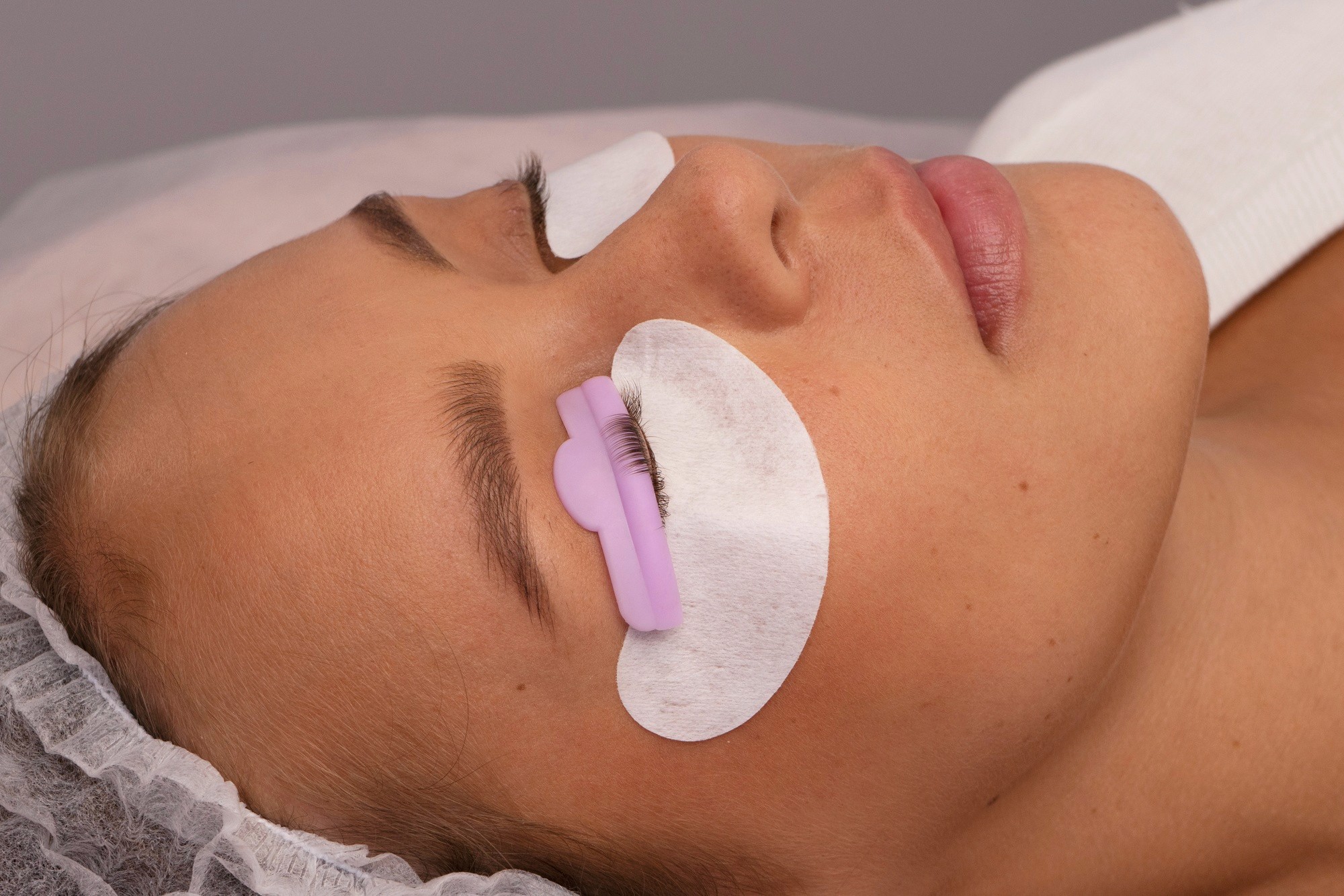
Lash lifting has become one of the most in-demand beauty treatments today. For future stylists training at the MONLIS Schule Munich, it is essential to understand the differences between modern lifting technologies in order to work safely, professionally and with full consideration of each client’s needs.
The various systems available on the market differ not only in their formulations, but also in their processing time, intensity, long-term effect and the level of control they give the stylist.
The following article provides an in-depth overview, explains the benefits of each technology and offers professional guidance for choosing the right method.
1. Classic Lash Lifting Technology
The classic method is based on a multi-step chemical restructuring of the natural lashes. The disulfide bonds in the hair are gently opened, reshaped and then fixed.
How the classic method works:
-
Lift lotion opens the hair structure and allows reshaping.
-
Fix lotion stabilises the new curl.
-
Care serum or keratin serum nourishes and protects the hairs.
Advantages:
-
Suitable for almost all lash types
-
Stable results lasting 6–8 weeks
-
Predictable processing time and high control
Ideal for:
Students who are learning the foundational technique and want a safe, versatile method.
2. Speed Lifting (Fast Technology)
Modern “speed” lifting systems significantly reduce processing time through more potent formulations that penetrate the lash structure faster.
Features:
-
Processing time as short as 5–7 minutes
-
More active ingredients
-
Requires precise timing and experience
Advantages
-
Faster treatment — ideal for high-traffic salons
-
Strong and quick visible lift
Disadvantages
-
Not suitable for very fine or sensitive lashes
-
Higher risk of overprocessing in inexperienced hands
Ideal for:
Advanced stylists with strong diagnostic skills and control over lash structure.
3. Keratin Lash Lift
Keratin-based technologies combine classic lifting with deep nourishment and lash restoration. They are especially gentle and strengthen the natural hair structure.
Features:
-
Formulas enriched with keratin, amino acids and oils
-
Focus on lash health and regeneration
-
Very gentle on sensitive or weakened lashes
Advantages:
-
Soft yet long-lasting results
-
Noticeably smoother, shinier lashes
-
Ideal after stress, hormonal changes or damage
Disadvantages
-
Less dramatic lift compared to speed lifting
-
Results appear more natural
Ideal for:
Clients with thin, damaged or sensitive natural lashes.
4. Botox Lash Lifting (with a nutrient complex)
“Lash Botox” is not a stand-alone lifting technique, but an intensive nourishing treatment often combined with classic lifting.
Features:
-
Deep repair using vitamins, proteins and oils
-
Strengthens and thickens the lash structure
-
Enhances and prolongs the lifting result
Advantages:
-
Fuller, stronger lashes
-
Improved curl retention
-
Excellent for lashes that struggle to hold shape
Disadvantages
-
Longer treatment time
-
Requires knowledge of active ingredients and application sequence
5. Hybrid Lash Lifting (Combination Technique)
Hybrid lifting combines features of several systems — for example, speed lifting with keratin care or classic lifting with a Botox treatment — to achieve tailored results.
Advantages:
-
Maximum customisation for each client
-
Strong results combined with deep care
-
Long-lasting and visually enhanced outcome
Disadvantages:
-
Requires advanced product knowledge and precise diagnosis
6. How to Choose the Right Technology – Recommendations from MONLIS Schule Munich
The choice of method depends primarily on three factors:
1. Natural lash structure
-
Fine lashes → keratin or gentle classic systems
-
Normal lashes → classic or hybrid techniques
-
Thick/coarse lashes → speed lifting for a stronger curl
2. Client’s desired result
-
Natural look → keratin lifting
-
Strong visible lift → speed or hybrid methods
-
Regeneration and strengthening → Botox or care-focused systems
3. Experience level of the stylis
-
Beginners → classic and nourishing systems
-
Advanced stylists → speed and hybrid lifting technologies
7. Why MONLIS Schule Munich Is the Best Choice for Future Lash Professionals
-
Practical, salon-level training
-
Emphasis on safety, lash analysis and precise timing
-
Work with multiple brands and system types
-
Extensive hands-on practice on models
-
Error prevention and deep understanding of material science
At the MONLIS Schule, students receive not only technical skills but also a comprehensive understanding of lash structure, product performance and safe timing — essential elements for flawless, high-quality results.
Modern lash lifting technologies offer professionals the ability to tailor each treatment to the individual client — from gentle and restorative to strong and dramatically lifting. A solid understanding of formulations, processing times and lash characteristics is crucial for delivering safe and beautiful results.
The MONLIS Schule Munich provides future stylists with the perfect foundation to master all these technologies confidently and establish themselves successfully in the beauty industry.