Choosing the right manicure technique is essential for the appearance and health of your nails. Two methods dominate in modern nail care: the dry manicure and the wet manicure. At MONLIS School in Munich – one of the leading training institutions for manicure and pedicure – students learn to master both approaches professionally and apply them based on individual client needs.
What is a wet manicure?
The wet manicure is a classic method that has been used in beauty salons for decades. It begins with a relaxing hand soak in warm water, often enriched with nourishing additives like oils or soap. The goal is to soften the skin, making it easier to work on the cuticles. After soaking, the nails are filed, the cuticles are gently pushed back or trimmed, and the nails are polished and optionally painted.
This method is especially popular among clients who prefer a pampering and relaxing treatment. The soaking process is soothing and helps in softening the skin. However, water can cause the nail plate to swell slightly, which may reduce adhesion for products like gel or shellac.
What is a dry manicure?
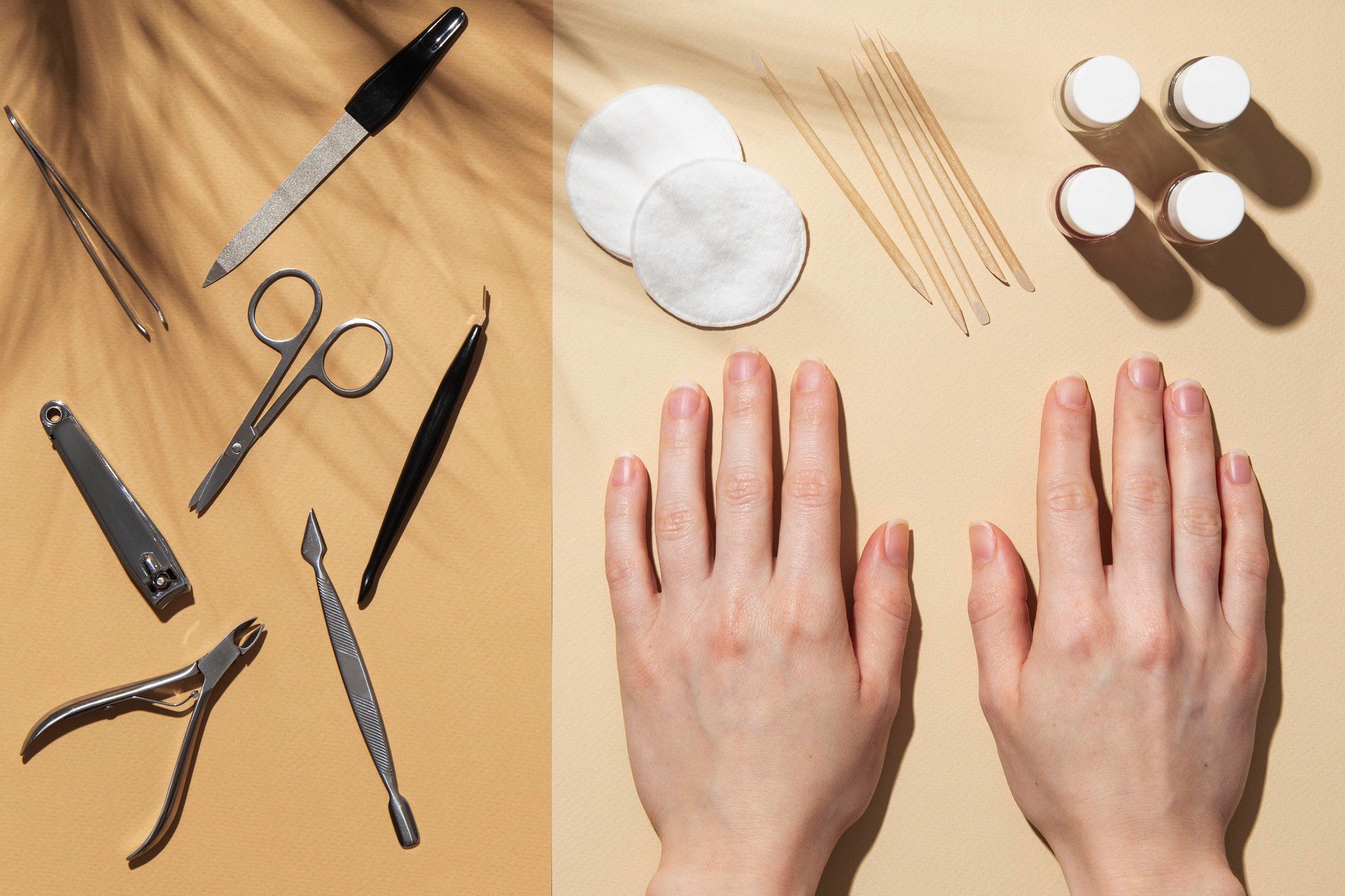
The dry manicure completely skips the soaking step. Instead, electric nail drills, precision tools, and special moisturizers are used to gently remove the cuticles and shape the nails. This technique requires precision and experience but offers several advantages – especially when combined with modern products like UV polish, gel, or shellac.
Since the nail plate stays dry throughout the treatment, product adhesion is significantly improved. Additionally, dry manicures are more hygienic because they don’t create the warm, moist environment where bacteria can thrive. Many professionals prefer this method for its efficiency and cleanliness – particularly in busy salon environments.
Which method is suitable for whom?
The choice between dry and wet manicure depends on several factors: skin type, nail sensitivity, the desired outcome, and overall nail condition.
The wet manicure is ideal for traditional nail care treatments, where relaxation and gentle grooming are the main goals. It’s perfect for clients with dry skin or sensitive nails who don’t plan to use gel or shellac afterward.
The dry manicure, on the other hand, is recommended when modern nail techniques like shellac, gel, or hybrid polish are being used. It’s quicker, more hygienic, and often more effective in a professional salon setting.
Professional training at MONLIS School in Munich
At MONLIS School, experienced instructors teach not only the fundamentals of both manicure types but also advanced techniques in hygiene, client communication, and product knowledge. Our programs are designed to fully prepare students for real-life work in salons. We place special emphasis on personalized support and the use of modern industry standards.
Each course includes theoretical education and hands-on practice – working with real models and realistic case scenarios. Graduates of MONLIS School are fully equipped to confidently choose between dry and wet manicure and deliver top-quality results to their clients.
Both techniques – dry and wet – have their strengths. What matters is understanding how to use them correctly and applying them flexibly depending on the situation. MONLIS School in Munich trains professional nail stylists who not only deliver exceptional results but also offer expert consultation and high-quality service. If you’re looking for in-depth training and a lasting career in the beauty industry, MONLIS is the right choice for you.