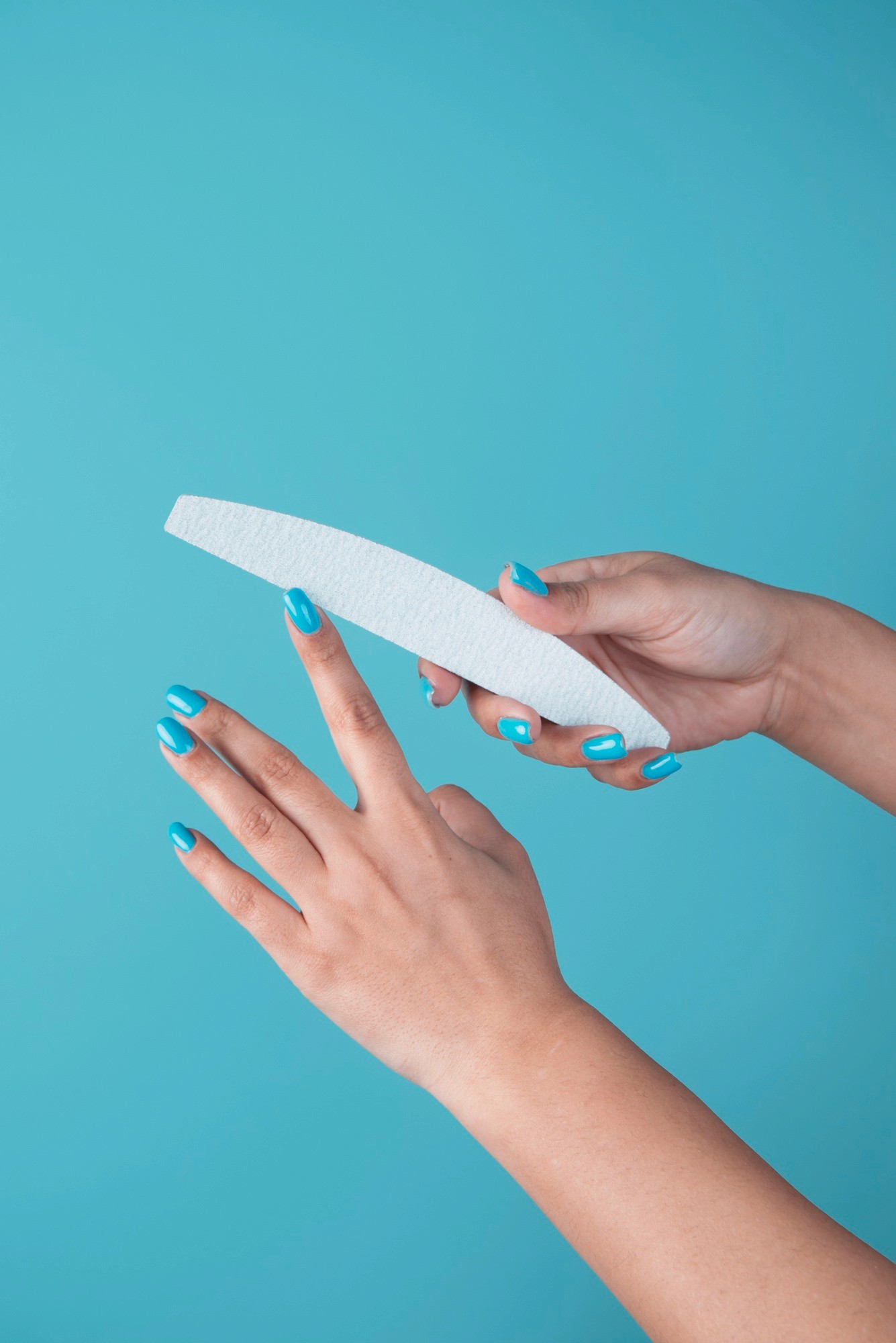
Nail filing is an essential part of any manicure or nail modeling process – whether strengthening natural nails, removing old material, or shaping extensions. However, this step produces fine dust particles, which can quickly pollute the workspace and negatively affect the health of both technicians and clients.
At the MONLIS School for Manicure and Pedicure in Munich, we provide in-depth training on dust-free work techniques, effective dust extraction systems, and hygienic practices during nail treatments. These habits are essential for a healthy and professional studio environment.
Why Is Dust During Filing a Problem?
Filing, especially with electric nail drills, produces microscopic particles from gel, acrylic, dead skin, and polish. These fine particles spread through the air, settle on tools and surfaces, and can even be inhaled.
Potential consequences include:
-
Health risks (respiratory issues, eye irritation, allergies)
-
Dirty workspace – unprofessional appearance
-
Contamination of tools and products
-
Increased cleaning effort and time waste
A professional studio is not only visually clean, but free of harmful airborne particles. That’s why proper dust control is a key part of MONLIS training.
Key Methods for Preventing Dust Accumulation
1. Use a Professional Dust Extraction System
A powerful table or handpiece dust collector is essential for clean working conditions. It should:
-
Offer at least 300–400 m³/h airflow capacity
-
Be cleaned and maintained regularly
-
Be quiet and ergonomically designed
At MONLIS School, we teach how to use and select quality equipment for effective dust removal.
2. Refine Your Filing Technique
Technique matters as much as equipment:
-
Apply light pressure – too much pressure creates more dust
-
File in one direction – avoid uncontrolled back-and-forth motion
-
Set the drill to the correct speed (not too slow!)
-
Use dust-reducing bits such as ceramic or specialized shapes
3. Organize the Workspace Effectively
Proper organization helps keep dust under control:
-
Only necessary items should be on the table
-
Cover tools when not in use
-
Wear gloves, a mask, and protective glasses if needed
-
Wipe all surfaces regularly with a damp cloth
4. Protect the Client
Clients should not be directly exposed to dust either:
-
Adjust arm position so dust falls downward
-
Use disposable table liners and replace after each client
-
Keep the client’s face away from the working zone
Hygiene and Responsibility in Nail Technician Training
At MONLIS School, we place strong emphasis on hygiene education from the very beginning. Dust control is a key part of protecting health – for clients, students, and professionals alike. Our curriculum includes:
-
Equipment selection and maintenance
-
Cleaning and disinfecting the workspace
-
Ergonomic practices that minimize dust spread
-
Working with sensitive clients (e.g., with asthma or allergies)
Graduates of MONLIS leave the school not only with technical skills, but also with a strong sense of professional hygiene – essential for today’s beauty industry.
Reducing dust is not optional – it’s an essential part of quality service. A technician who maintains a clean, dust-free workspace shows respect for their own health and for their clients.
At MONLIS School in Munich, we teach this mindset from the very first lesson – to ensure a clean, safe, and modern beauty education.