A well-groomed appearance of the feet is valued today not only for aesthetic reasons. Clean nails, an even skin texture, and an overall neat impression are details often associated with professionalism and self-care. Understanding how to create a flawless aesthetic appearance of the feet involves more than visual improvement — it includes hygiene, consistent care, and properly performed techniques.
Foot aesthetics plays a greater role in everyday life than many assume. Open shoes, sports activities, wellness environments, and travel naturally increase the visibility of the feet. At the same time, structured care can help support a smoother-looking skin surface and enhance daily comfort.
What Defines an Aesthetic Appearance of the Feet
Aesthetics begins with consistency. Well-groomed feet typically show several characteristics:
- evenly trimmed and shaped nails
- clean cuticles without excessive dryness
- smooth heels without pronounced callus buildup
- hydrated skin
- a balanced overall appearance
The goal is not perfection but a healthy-looking impression. Modern foot care focuses on preserving the skin’s natural protective function while optimizing its external appearance.
Hygiene as the Foundation of Professional Foot Care
Hygiene standards are considered a central quality indicator in any pedicure. Sterilized instruments, disposable materials, and structured workflows may reduce potential risks and contribute to a safer treatment experience.
Key criteria include:
- disinfection of work surfaces
- proper reprocessing of instruments according to hygiene guidelines
- use of personal protective materials
- clear separation between clean and already used tools
Professional training programs typically emphasize these principles, as hygiene builds trust and forms the basis of responsible beauty services.
Professional Pedicure and Modern Techniques
A professional pedicure involves far more than trimming nails. Modern methods aim to treat the skin gently while achieving an even result.
For example, an electric (e-file) pedicure uses rotating attachments. When performed correctly, this technique may help reduce excess callus in a controlled manner and smooth the skin’s surface. Proper pressure control and selecting suitable abrasive caps are essential.
Common elements also include:
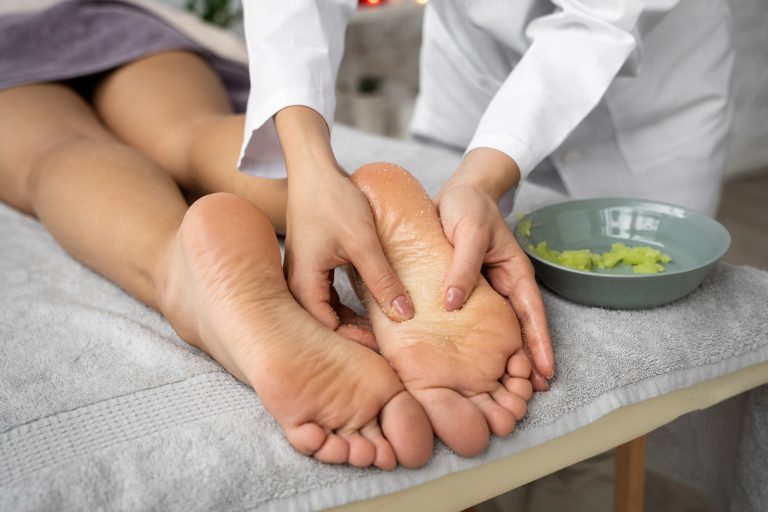
- gentle exfoliation to support natural skin renewal
- moisturizing care products, such as formulations containing urea
- precise nail shaping
- optional UV polish or shellac for a long-lasting well-groomed look
Cosmetic treatments are intended for care and beautification. They do not replace medical treatment if foot conditions are present.
Professional vs. At-Home Foot Care — A Comparison
Regular home care supports the condition of the skin. However, its possibilities differ significantly from those of a studio treatment.
At-home care is suitable for:
- daily moisturizing
- gentle filing
- short-term visual refreshment
Professional treatment may be beneficial when:
- a particularly even result is desired
- modern equipment is preferred
- there is uncertainty about proper technique
- strong hygiene standards are important
Many specialists suggest intervals of approximately four to six weeks, although the ideal rhythm depends on individual skin characteristics and lifestyle.
Common Foot Care Mistakes
Even small care mistakes can influence the overall appearance. Frequent examples include:
- removing too much callus
- cutting nails instead of carefully filing them
- inconsistent care routines
- using unsuitable tools
- insufficient hydration
Excessive removal of hardened skin may lead the body to produce additional protective layers. Professional methods therefore focus on controlled and moderate steps.
Why Solid Training Matters
Quality foot care is based on knowledge, practical experience, and an understanding of skin structures. MONLIS School is a creative training center where modern technologies are combined with precise hands-on practice. Its goal is to prepare future beauty professionals for real industry requirements.
Participants typically learn:
- structured hygiene concepts
- safe use of technical devices
- assessment of skin condition
- ergonomic working methods
- client-oriented consultation
Comprehensive training may contribute to performing treatments responsibly and maintaining consistent service quality.
What to Consider When Choosing a Pedicure Training Program
Not every course covers all relevant areas. Helpful criteria include:
- an up-to-date curriculum featuring modern techniques
- a strong practical component
- transparent hygiene standards
- experienced instructors
- a structured learning environment
High-quality education creates a foundation for professional services and long-term development within the beauty industry.
Key Points About Creating a Flawless Aesthetic Appearance of the Feet
- Consistency often has a stronger impact than occasional intensive treatments.
- Hygiene forms the basis of aesthetic foot care.
- Modern techniques allow for precise and gentle work.
- Moisture supports a balanced-looking skin surface.
- Professional knowledge increases safety in every application.