In the beauty industry, hygiene is not only a given but an absolute necessity. Treatments involving tweezers and wax, which come into direct contact with the skin and hair follicles, require the highest level of cleanliness. Even small mistakes can lead to skin irritation, inflammation, or infections.
The MONLIS School Munich, one of the leading academies for manicure, pedicure, and brow architecture, places great importance on teaching students strict hygiene protocols. Only those who master and consistently apply these rules can work safely and successfully in the long term.
Why Hygiene Matters When Using Tweezers and Wax
Tweezers and waxing are core tools in brow architecture and hair removal. Both methods may open pores and cause temporary skin sensitivity, which makes the skin more vulnerable to bacteria. Poor hygiene can result in:
-
bacterial infections,
-
fungal issues,
-
ingrown hairs,
-
long-term skin damage.
For this reason, strict hygiene standards are essential for both beginners and experienced professionals.
Basic Hygiene Rules for Using Tweezers
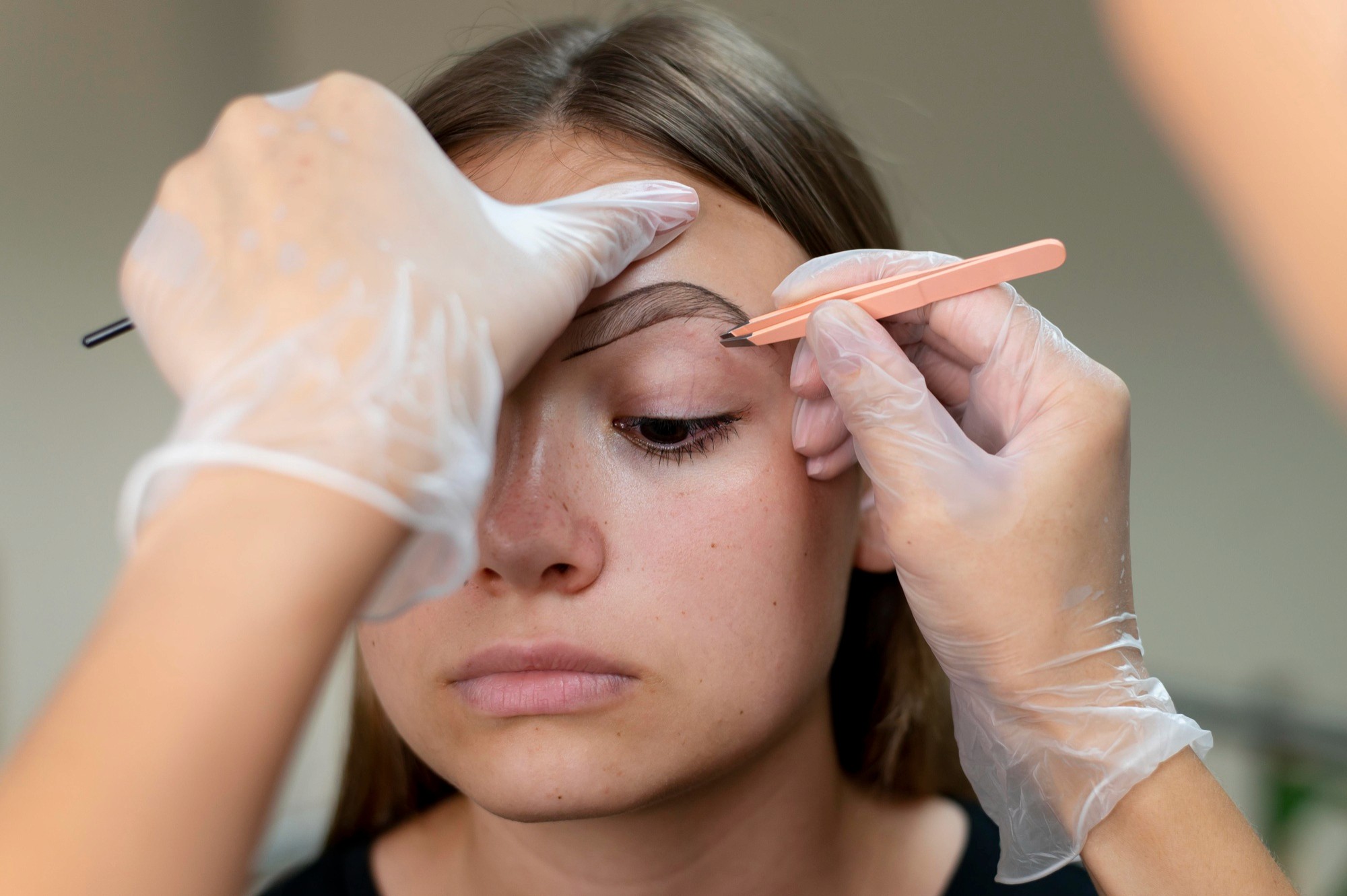
Tweezers come into direct contact with the skin and may carry microscopic particles. Proper handling requires:
-
Sterilization after each use – tweezers must be disinfected with professional solutions or sterilized in special equipment.
-
Individual use – never use the same tool on multiple clients without sterilization.
-
Safe storage – tweezers should be kept in clean, closed containers.
-
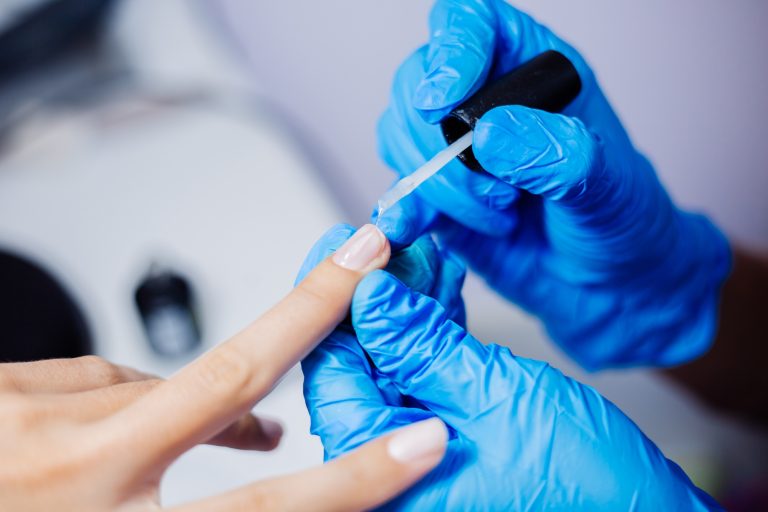
Personal hygiene – hands must be disinfected, and gloves are highly recommended.
-
Regular inspection – worn or damaged tweezers should be replaced immediately.
At the MONLIS School Munich, students are trained to maintain tools correctly, ensuring both client safety and professional credibility.
Hygiene Standards When Working with Wax
Waxing requires equally strict hygiene rules since the product is applied directly to the skin:
-
Use disposable spatulas – double dipping must be avoided at all costs.
-
Fresh wax for each client – leftover wax should not be reused.
-
Clean workspace – all surfaces and wax warmers must be disinfected regularly.
-
Skin preparation – cleanse the skin with a mild antiseptic before waxing.
-
Aftercare – apply soothing lotions or antiseptics to reduce irritation.
The MONLIS School ensures students internalize these steps and apply them consistently in practice.
Personal Protective Equipment and Self-Hygiene
Beyond tool sterilization, the professional’s personal hygiene is equally important:
-
Gloves and masks – reduce the risk of contamination and protect both client and professional.
-
Handwashing and disinfection – mandatory before and after every treatment.
-
Clean professional attire – uniforms or lab coats highlight professionalism and hygiene.
At the MONLIS School Munich, students learn that appearance and cleanliness play a key role in building client trust.
Training and Practice at MONLIS School Munich
The curriculum combines theory with practical everyday hygiene routines such as:
-
disinfection and sterilization techniques,
-
correct heating and application of wax,
-
safe disposal of single-use materials,
-
developing and maintaining a personalized hygiene plan.
Graduates leave the school with not only technical expertise but also a deep understanding of responsibility and safety — essential pillars of a successful career in beauty.
Working with tweezers and wax requires strict hygiene and discipline. Neglecting these rules risks both the client’s health and the professional’s reputation. At the MONLIS School Munich, students are taught to implement hygiene practices consistently and maintain the highest standards.
Professional hygiene is not only about safety — it is about building trust, and trust is the foundation of long-term success in the beauty industry.