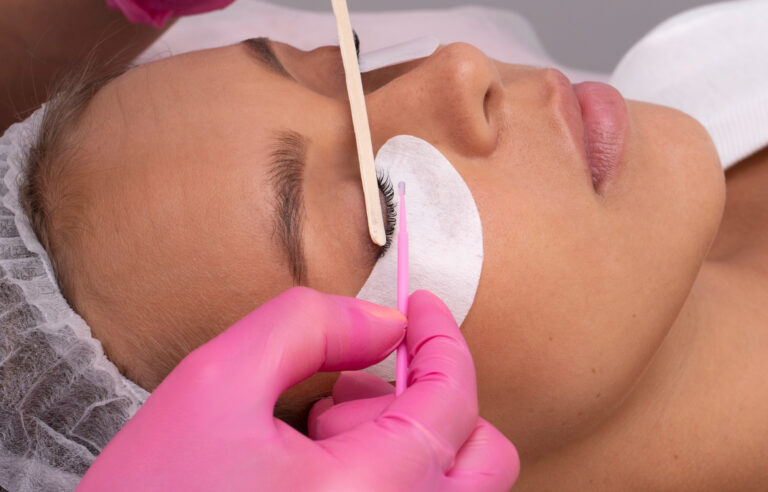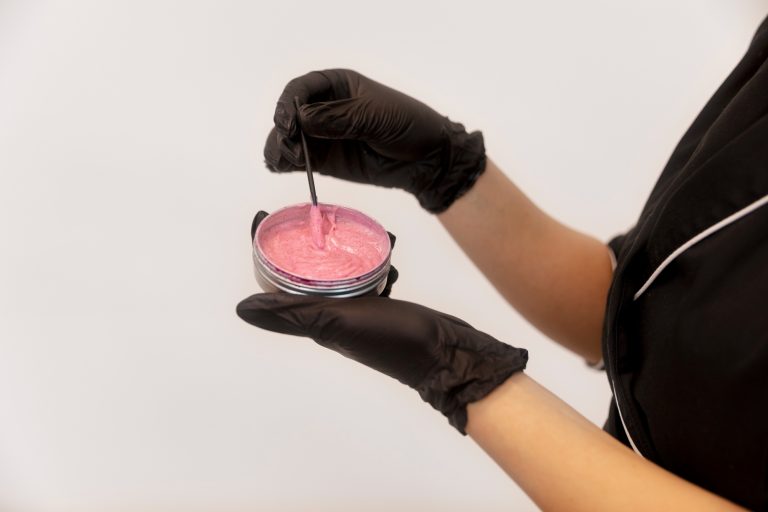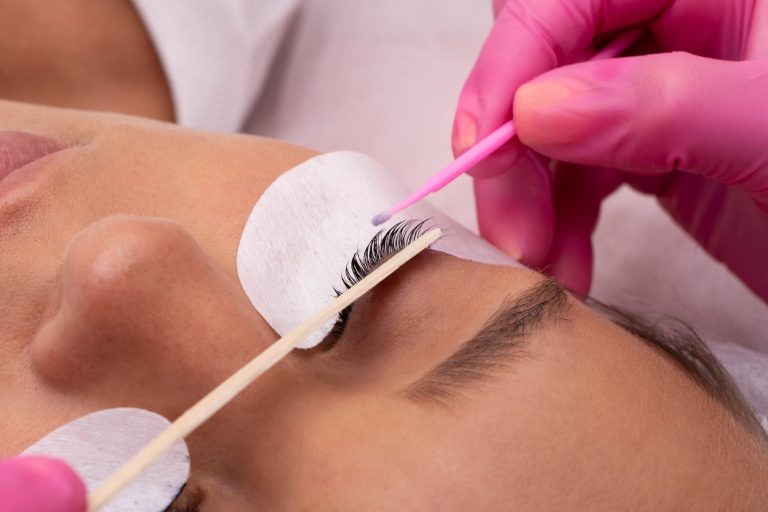
Light-colored eyelashes have a finer structure, lower natural pigmentation, and often visually “disappear” against the skin. For this reason, lash lamination on blonde lashes requires especially precise selection of products, processing times, and, most importantly, the color shade. An incorrect tone or technique can make the look either too harsh or, on the contrary, insufficiently expressive.
Structural Features of Light Lashes
Light lashes are usually thinner and softer than dark ones. Their cuticle is more delicate, and the melanin content is minimal. This affects how quickly the lamination solutions penetrate, how the curl is fixed, and how intensely the pigment develops. Using standard processing times may lead to overexposure or, conversely, an underdeveloped curl.
Nuances of Processing Time
For light lashes, reduced exposure times for lifting and fixing solutions are commonly recommended. In practice, shortening the timing by about 10–20% compared with dense dark lashes helps preserve elasticity and natural shine without overloading the hair structure.
Choosing the Shade: Black, Graphite, or Brown
Classic black can appear too contrasting on very fair skin and hair. Therefore, professionals often prefer alternative pigments. Graphite enhances the lash line while keeping the look soft. Dark brown creates the impression of natural density without a sharp contrast. Blue-black can add depth to the eyes through a cooler undertone.
Tinting After Lamination: Technique and Intensity Control
Because light lashes are more porous, they absorb color faster. Careful control of the processing time and the correct choice of developer help prevent overly intense coloration and maintain a natural result.
Common Mistakes When Working with Blonde Lashes
Typical errors include using shades that are too dark without considering the client’s color type, applying standard timing despite the fine structure, and skipping a detailed analysis of lash thickness and elasticity.
How to Achieve a “Natural Gloss” Effect
For light lashes, the final conditioning and sealing steps are especially important. Moisturizing and protective products help maintain shine, visual density, and a clean curl throughout the entire wear period.
Key Points About Lamination of Light-Colored Lashes: Working Nuances and Shade Selection
Light lashes require shortened processing times.
The shade should be chosen according to the individual contrast of skin and hair.
Graphite and brown tones often look more harmonious than deep black.
Controlled color intensity prevents an overly harsh effect.
Proper aftercare preserves shine and elasticity.