Choosing the right curl for lash lamination is one of the most important decisions in lash lifting. How to select the correct curl type for different eye shapes determines whether the result looks natural, balanced, and wearable, or whether the eyes appear overly lifted, tense, or visually distorted. For professional lash artists and for training at one of the best manicure and pedicure schools in Munich, this topic is a core part of practical education.
The curl is not a decorative detail. It is a shaping tool that influences eye openness, facial proportions, and the overall expression.
Why Curl Selection Plays a Key Role in Lash Lamination
During lamination, natural lashes are fixed into a new shape for several weeks. Unlike lash extensions, the result cannot be corrected or balanced afterward. An incorrectly chosen curl remains visible until the lashes fully renew.
The curl determines:
– how open or closed the eye appears
– whether the eyelid looks lifted
– whether the lashes look elegant or exaggerated
This is why curl selection always requires analysis, experience, and precise control.
Main Curl Types Used in Lash Lamination
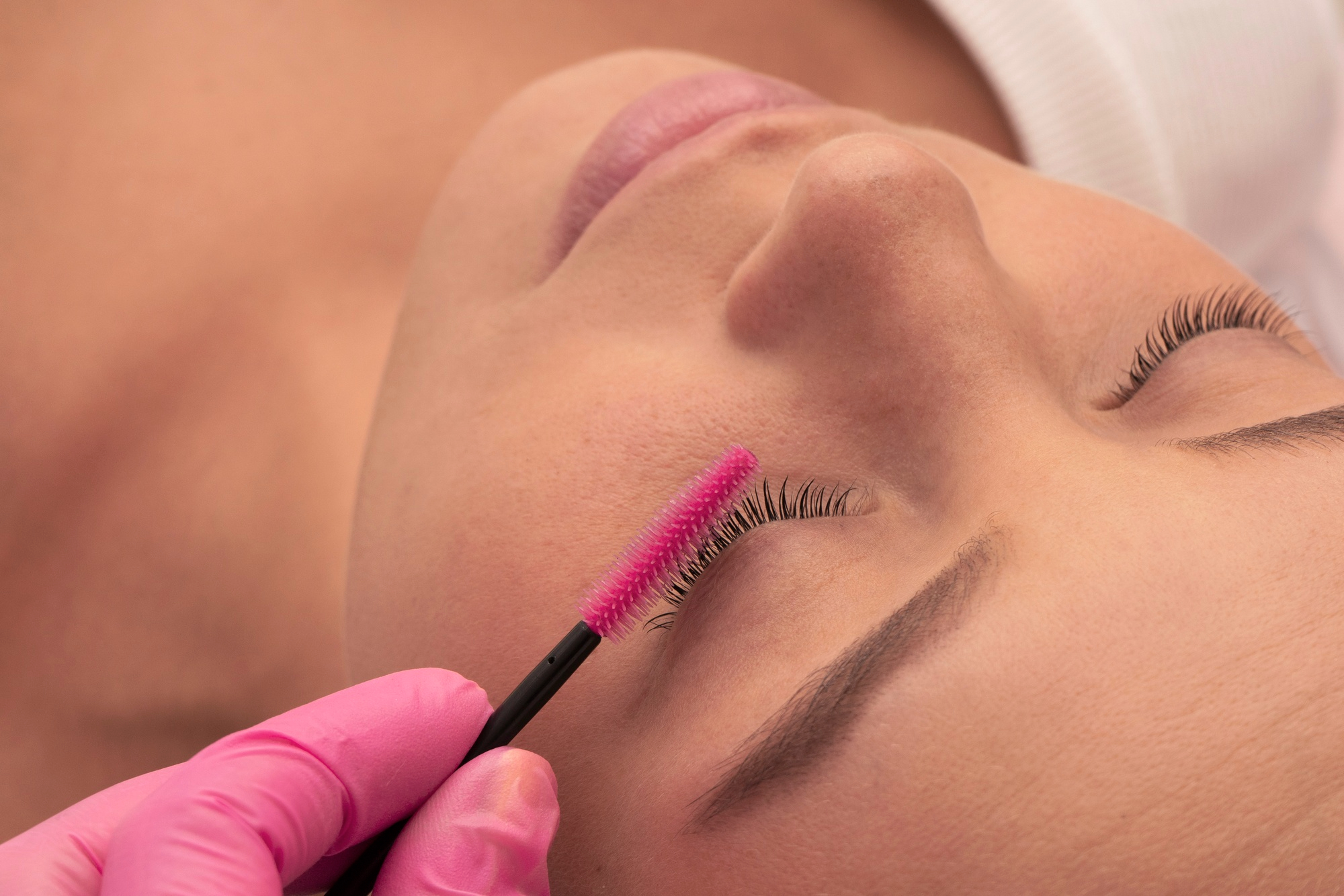
Lash lamination does not use classic extension curls but silicone pads and shields that create different lifting angles. Even so, curl types can be clearly categorized.
Soft curls create a natural, gently lifted look.
Medium curls visibly open the eyes without looking dramatic.
Strong curls provide maximum lift but are suitable only for specific eye shapes.
There is no universal curl that works for everyone. This is where professional skill begins.
Eye Shape as the Primary Factor in Curl Selection
Eye shape is the most important guideline when choosing a curl. Ignoring it often leads to unbalanced results.
Almond-shaped eyes work best with medium curls that enhance natural symmetry.
Round eyes benefit from softer curls, as overly strong lifts can create a surprised or artificial look.
Narrow or Asian eye shapes require controlled, even curls that open the eye without distorting the lid line.
Deep-set eyes need a curl that lifts lashes above the eyelid without pulling them straight upward.
Working Correctly with Hooded and Heavy Lids
One of the most common mistakes in practice is incorrect curl selection for hooded lids. Strong curls often work against the desired effect. Lashes may visually press into the lid or disappear beneath it.
A moderate curl with an extended lifting zone is usually the best choice. This creates visible openness while maintaining elegance.
For clients with hooded lids, this fine adjustment often determines satisfaction with the result.
Lash Length and Growth Direction as Additional Criteria
In addition to eye shape, lash length and growth direction play an important role. Short lashes respond differently to strong curls than long ones. Downward-growing lashes require a different pad choice than straight or upward-growing lashes.
The shorter and stiffer the lashes, the more controlled the curl should be. Long, flexible lashes allow for stronger effects without losing balance.
Common Mistakes When Choosing a Curl
Even experienced lash artists repeat similar mistakes when analysis and technique are not clearly separated.
The most common include:
– using a strong curl without considering eye shape
– choosing the same pad for every client
– relying on before-and-after photos instead of real anatomy
– confusing extension curls with lamination curls
These mistakes lead to complaints rather than better results.
Why Curl Knowledge Is a Core Part of Professional Training
In professional education, curl analysis is a fundamental skill. At one of the best manicure and pedicure schools in Munich, future lash artists learn how to read eye shapes, assess natural lashes, and apply curls intentionally.
This knowledge separates routine service providers from true professionals. Clients notice the difference immediately.
Key Points About Choosing the Right Curl for Lash Lamination
– The curl defines the entire eye expression
– Eye shape matters more than personal preference
– Strong curls are not suitable for every anatomy
– Lash length and growth direction affect the outcome
– Professional analysis prevents corrections and dissatisfaction