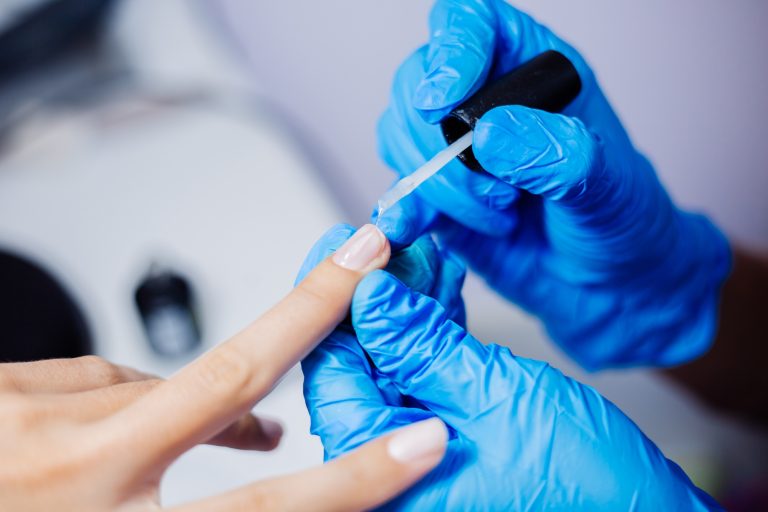
In modern foot care, treating the nail plate is a central part of any cosmetic pedicure – whether it’s for smoothing, cleaning, or preparing the nail for further treatment. Professionals typically choose between two main methods: manual and e-file (machine) techniques. But what exactly distinguishes these approaches? When is one more suitable than the other? And how are they taught at the MONLIS School in Munich?
Manual Technique – Traditional, Precise, and Gentle
Manual nail filing is performed using traditional tools such as emery boards, glass, or metal files with a fine grit. This method gives the practitioner full control and is especially suitable for sensitive or already damaged nails.
It allows for gentle removal of excess material without causing heat buildup or overfiling – a major advantage for clients with sensitive feet. However, the manual method requires time, patience, and strong filing skills to achieve even and consistent results.
E-File Technique – Fast, Effective, and Powerful
The e-file method uses an electric drill with interchangeable bits, which vary in shape, grit, and material. Especially useful for thick, hardened, or heavily stressed toenails, the e-file allows for thorough and time-saving treatment.
When applied correctly, it delivers highly precise results. However, incorrect use can lead to heat, micro-damage, or overfiling – particularly when too much pressure or the wrong speed is applied. That’s why the MONLIS School in Munich places great emphasis on in-depth training in device handling and proper technique.
Which Technique Is Best?
The choice between manual and e-file depends on the condition of the nails and the client’s specific needs. For thin, sensitive, or damaged nails, the manual method is usually preferred. On the other hand, thick, keratinized, or hard-to-reach nails are better treated with an e-file.
The professional’s experience also plays a role: manual work requires strong tactile skills, while safe e-file operation demands technical knowledge and training in pressure, RPM settings, and bit selection.
How It’s Taught at MONLIS School Munich
At MONLIS School, students learn both techniques step by step – combining theory and hands-on practice. The training covers more than just technique; it includes:
-
Nail type assessment and method selection
-
Hygiene and safety protocols
-
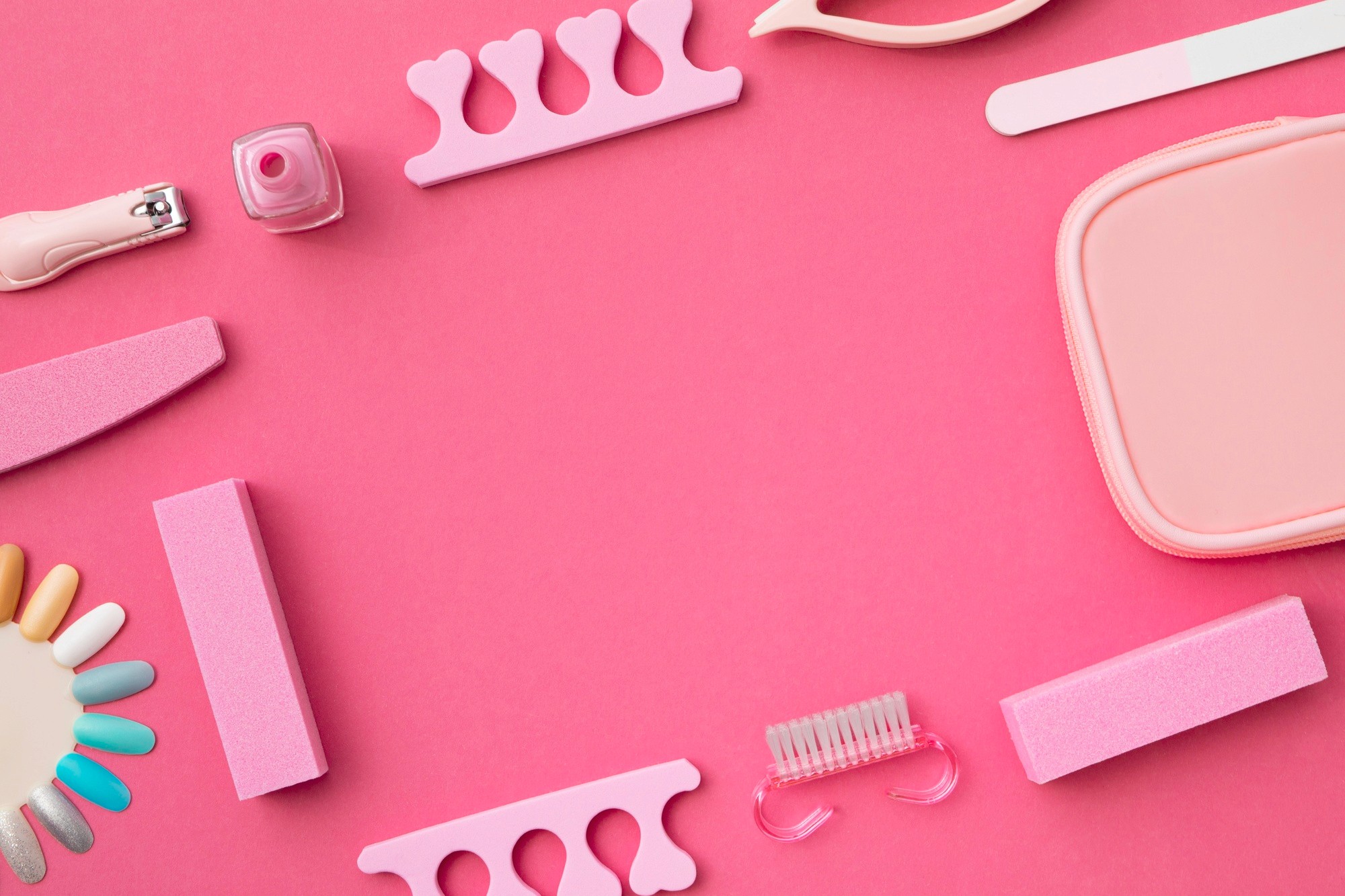
Understanding tools and materials (files, bits, devices)
-
Effective client communication and consultation
-
Avoiding over-treatment and nail damage
Our mission is to ensure every student can safely and professionally apply the most suitable technique for each client.
Choosing between manual and e-file nail plate care isn’t about “either-or” – it’s about making the right professional decision. Both methods have their place, and those who master both can respond to every client’s needs with confidence.
At MONLIS School Munich, we pass on the knowledge and skills needed for safe, aesthetic, and health-conscious foot care at the highest standard.
MONLIS School Munich
Your trusted academy for professional training in manicure and pedicure – with a focus on practice, precision, and client satisfaction.