In modern nail design, there are many ways to create beautiful, long-lasting nails. One of the most common questions for professionals is: Should I use a one-phase or a three-phase gel system? Both have their advantages, and choosing the right one depends on the technique, client needs, and the desired result. At MONLIS School Munich, students learn to work with both systems and to understand when each option offers the best performance.
The One-Phase System: Simple, Fast, and Efficient
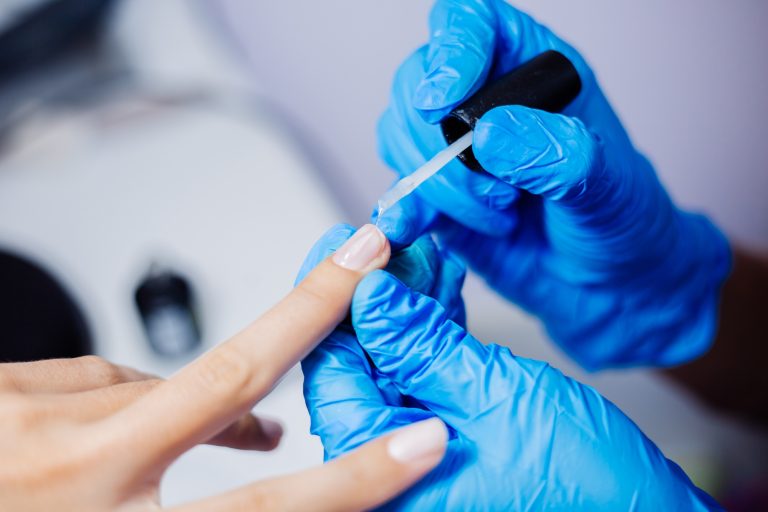
The one-phase system is popular among beginners and in salons where efficiency matters. It uses a single gel for all three stages of nail modeling: bonding, building, and sealing.
This approach saves time because fewer products are needed, and it’s more cost-effective since only one gel is used. The one-phase system is easy to apply, making it perfect for natural, thin overlays and quick salon work.
However, this method also has some limitations. It provides less stability for long or heavily used nails and may not achieve the same level of shine as a dedicated top gel. Despite that, it remains ideal for clients who prefer a natural look and for appointments where speed and efficiency are priorities.
The Three-Phase System: Strength and Perfection
The three-phase system is considered the classic professional technique in nail modeling. It involves three separate gels applied in sequence:
-
Base Gel (Bonding Gel) – ensures perfect adhesion between the natural nail and the gel.
-
Builder Gel (Sculpting Gel) – gives structure, form, and strength to the nail.
-
Top Gel (Sealing Gel) – adds protection, shine, and a smooth finish.
Although this method takes more time and product, the results are superior in terms of durability, strength, and aesthetics. It’s ideal for long nails, French manicure designs, or intricate nail art that requires precision. The finish is glossy, resilient, and long-lasting – perfect for clients who expect a premium result.
When to Choose Which System
At MONLIS School Munich, students are trained to use both systems correctly and to recognize when each one is most suitable. The one-phase system works best for quick, natural designs or short nails where time-saving is key. The three-phase system, on the other hand, is ideal for clients who need strong, long-lasting nails with a perfect finish.
Many experienced nail artists even combine both systems – for example, using a bonding gel from a three-phase system together with a one-phase gel for the builder layer. This allows them to save time while maintaining quality and durability.
Training at MONLIS School Munich
The professional training programs at MONLIS School Munich include detailed theoretical and practical modules on both systems. Students learn to:
-
understand the chemical composition and behavior of UV gels,
-
identify the right viscosity and curing time,
-
prepare the natural nail properly for maximum adhesion,
-
prevent common issues like lifting or dullness,
-
and work confidently with modern LED/UV lamp technologies.
Hands-on practice with real models ensures that graduates can confidently handle both systems and adapt them to different client needs.
Both one-phase and three-phase systems have a firm place in professional nail design. The one-phase system offers simplicity and speed, while the three-phase system ensures maximum strength and shine. The right choice depends on the client’s nail type, desired result, and the technician’s experience. At MONLIS School Munich, future professionals learn to master both systems and to achieve perfect, long-lasting results every time.