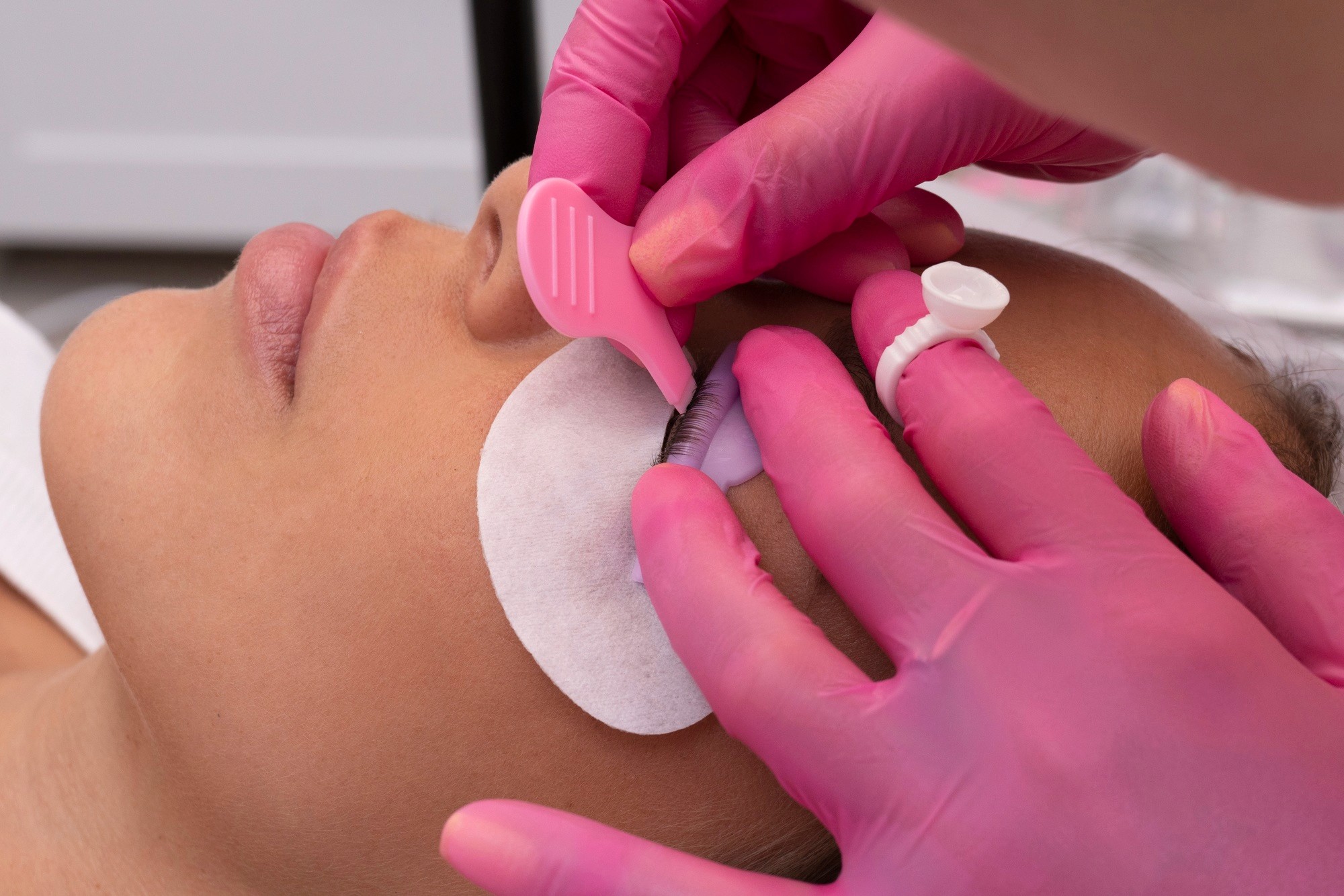
Lash lifting is all about precision, technique, and detail. While most professionals focus on products and application methods, proper lighting is often overlooked – yet it plays a critical role in ensuring flawless results. At MONLIS School in Munich, one of the top beauty academies in Germany, we emphasize professional working conditions – and lighting is a key component.
In this article, we explore why lighting matters in lash lifting, what features a good light should have, and which types of lamps are best suited for beauty work.
1. Why is lighting so important for lash lifting?
The eye area is extremely delicate and requires precise work. Poor lighting can lead to:
-
Uneven lash lifting results
-
Missed product residue
-
Eye strain and fatigue for the stylist
-
Longer treatment time
-
Client dissatisfaction
Proper lighting, on the other hand, supports clear visibility, cleaner work, better posture, and a safer and more comfortable experience for both client and technician.
2. What should good lighting include?
To be suitable for lash lifting, lighting should meet the following criteria:
✓ Daylight-simulating color temperature
Ideal light temperature: 5000–6500 Kelvin, which replicates natural daylight and ensures accurate color perception without yellow or blue tint.
✓ Glare-free and flicker-free
The light should be even, soft, and without flickering to prevent eye strain during long treatments.
✓ Adjustable and flexible positioning
A lamp that can be moved and directed toward the client’s eye area allows for optimal control and visibility.
✓ Shadow-free illumination
Consistent lighting across the face helps avoid missed spots and ensures flawless results.
✓ Energy-efficient and durable
High-quality LED lights are ideal due to their energy efficiency, brightness, and long lifespan.
3. What types of lamps work best for lash lifting?
Ring Lights
A popular choice in beauty salons, ring lights provide even, shadow-free illumination and are often height-adjustable. Many models also support phone holders for content creation.
LED Arm Lamps (with adjustable arms)
Perfect for precise tasks like lash lifting. They offer directional control and concentrated lighting.
LED Magnifying Lamps
Combining light and magnification, these are helpful for beginners and detailed work on lashes or brows.
Standing Lamps with Dimmer Function
Allow you to adapt brightness depending on ambient light or specific needs of the session.
4. Common lighting mistakes – and how to avoid them
🚫 Warm lighting under 4000K: Can distort color and visibility with a yellowish hue.
🚫 Harsh, focused beams: May cause glare and discomfort for the client.
🚫 Poor lamp placement: Leads to uneven lighting or distracting shadows across the work area.
Tip from MONLIS School: Always test your lighting both seated and standing, in natural and artificial light, to ensure it’s properly positioned for the lash area.
5. Lighting and workstation setup at MONLIS School
At MONLIS School, students learn not only lash lifting techniques but also how to design a functional and safe workspace – with lighting being a major part of the curriculum. We teach:
-
How to combine different light sources
-
What to consider when buying a professional lamp
-
How lighting affects skin tone visibility and lash color
-
Which lighting setups are best for photography and video documentation
This practical approach ensures students are fully prepared for real studio environments.
Even the best lash artist can struggle without proper lighting. High-quality, well-placed lighting is not just a comfort – it’s essential for safety, performance, and perfect results. At MONLIS School in Munich, we believe that lighting is a professional tool, just like tweezers or serums.
Want product recommendations or help designing your lash studio space? Visit the MONLIS School Munich website and take your skills to the next level.