Achieving a flawless brow tint requires more than just a quality dye—especially when the brows are uneven or have sparse patches. At MONLIS School in Munich, we teach professional techniques to avoid staining and enhance even the finest hairs. In this article, we explain what’s important when tinting brows, which products work best, and which common mistakes to avoid.
Why Do Stains Occur During Brow Tinting?
Stains typically occur when:
-
too much product is applied to the skin,
-
the tint is left on for too long,
-
the skin hasn’t been properly prepared,
-
the brow shape hasn’t been clearly mapped.
This is especially true for sparse areas where the dye easily stains bare skin, creating an uneven and unnatural look.
Proper Skin Prep is Key
At MONLIS School, we emphasize the importance of thoroughly preparing the skin before tinting. Makeup, creams, and oil residues interfere with even pigment application. Before applying the tint:
-
exfoliate the area gently,
-
degrease the skin with an alcohol-based toner,
-
optionally apply a thin layer of barrier cream around the brows to prevent tint from spreading.
Choosing the Right Tint for Sparse Brows
A common mistake is using a shade that’s too dark for brows with sparse or thin hair, which leads to harsh contrasts and overemphasized gaps. Our recommendation:
-
Always go one shade lighter than the desired result.
-
For very fine or patchy brows, hybrid dyes or henna can be used—but with care, as they also stain the skin.
Technique for Sparse Areas: Dab, Don’t Brush
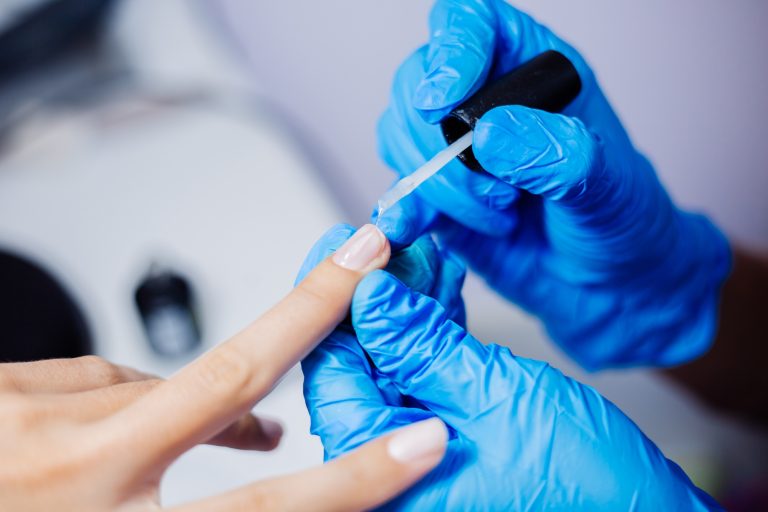
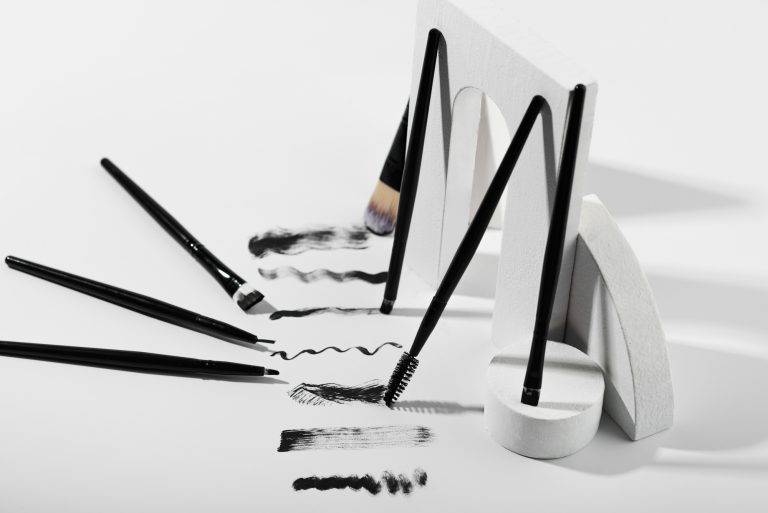
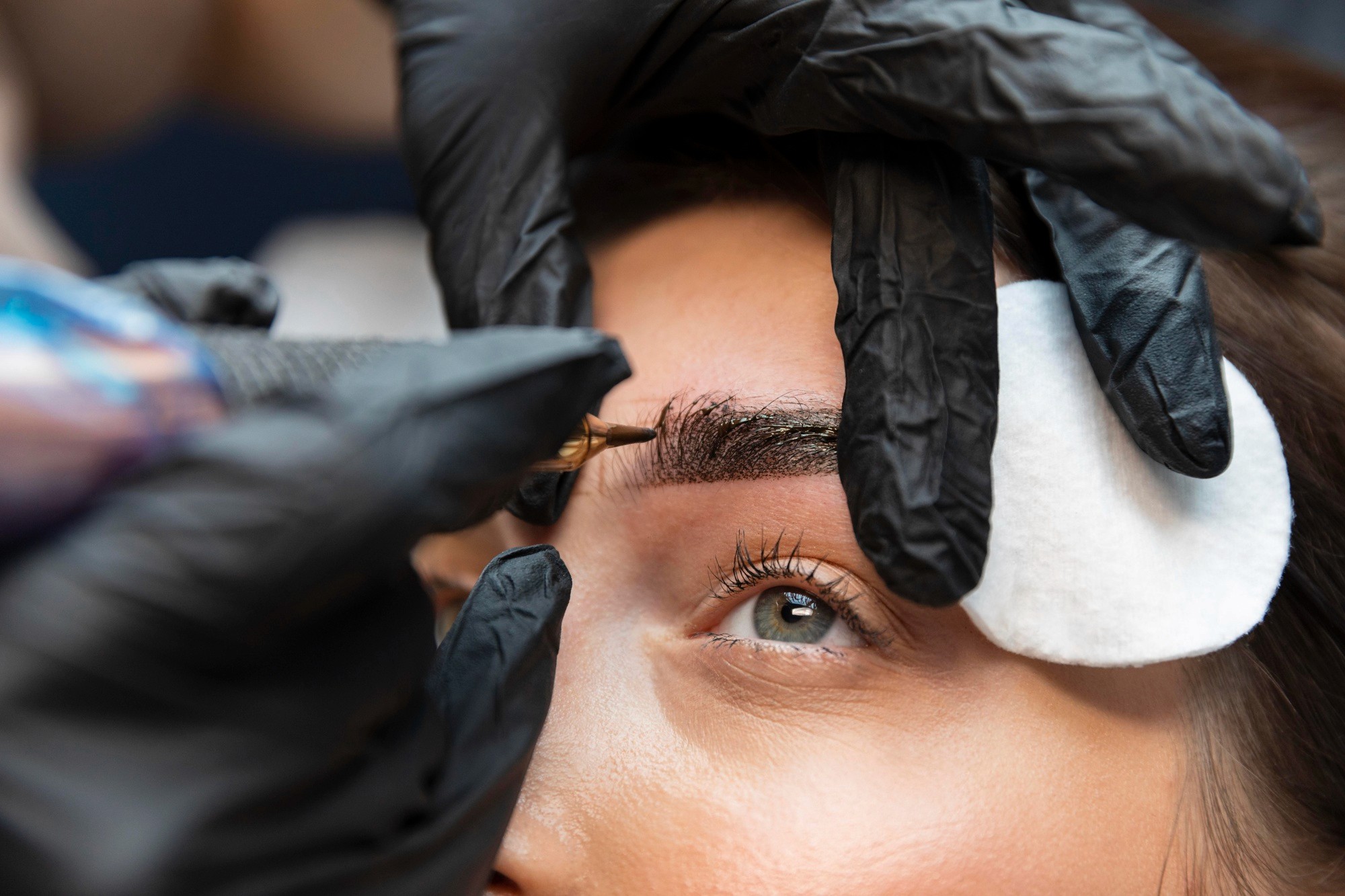
At MONLIS School, we teach that sparse areas should be tinted by dabbing the dye on gently with a precision brush or microbrush. This allows targeted application without overloading the skin.
Important:
-
Apply the tint in thin layers.
-
Monitor processing time carefully—less is often more.
-
Use a cotton swab to remove any excess dye between layers.
Never Tint Without First Analyzing the Brows
Before applying any product, our students at MONLIS School perform a detailed analysis of:
-
hair texture and density,
-
skin type (dry, oily, sensitive),
-
existing gaps or asymmetries,
-
desired shape and style.
This is essential to developing a tailored approach that ensures even, natural-looking results.
Aftercare for Long-Lasting Color
Right after tinting, it’s important to soothe the skin and lock in the pigment:
-
Apply a calming gel with aloe vera.
-
Avoid water or greasy products on the brow area for at least 24 hours.
-
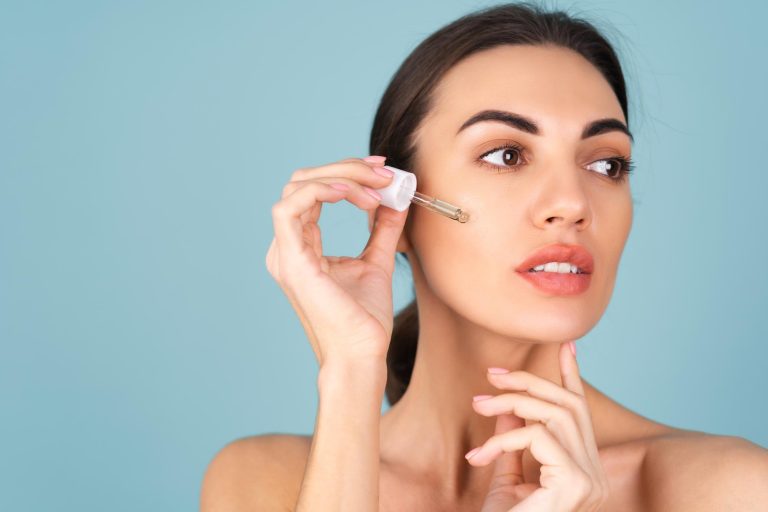
Use a nourishing brow oil regularly to preserve color and promote healthy growth.
Common Mistakes and How to Avoid Them
1. Mistake: Applying tint directly from the tube
→ Always mix well for even pigment distribution.
2. Mistake: No brow mapping before tinting
→ Leads to asymmetry – always outline the shape first.
3. Mistake: Leaving tint on too long in sparse areas
→ Results in stains – better to apply in two short sessions.
4. Mistake: Using the same shade for every client
→ Each skin and hair type needs a custom blend.
5. Mistake: Skipping skin protection before tinting
→ Use a skin barrier gel to create crisp edges and prevent bleeding.
When tinting brows with sparse areas, the right technique makes all the difference. At MONLIS School in Munich, we provide in-depth knowledge, hands-on training, and up-to-date standards so that every brow tint turns out beautifully—even with challenging brow types. For spot-free, professional results, MONLIS offers the ideal education.