The shape of toenails plays a key role in both aesthetics and health, as well as in the durability of a professional pedicure. One of the most popular and classic options is the square toenail shape. It not only looks neat and stylish but also provides functional advantages. However, as with any technique, there are also risks if it is not done correctly. At the MONLIS School in Munich, the leading training center for manicure and pedicure, students learn how to balance aesthetics with safety.
Why Is the Square Toenail Shape So Popular?
The square shape is considered a classic in foot care. It is characterized by a straight edge and slightly rounded corners. Many people prefer this shape because it is:
-
stable and less prone to chipping,
-
aesthetically pleasing, giving the nail a neat, uniform look,
-
practical, especially for those who often wear closed shoes,
-
preventive against ingrown nails, if shaped correctly.
Benefits of the Square Shape
-
Stronger Nail Plate
The straight line provides support for the nail’s natural strength, making it ideal for brittle or thin nails. -
Classic Look
The square shape is timeless and elegant, fitting both simple and elaborate pedicure designs. -
Protective Function
Proper shaping helps prevent the nail edges from tearing and offers protection from minor injuries.
Risks of the Square Toenail Shape
Despite its advantages, the square shape can present risks if done incorrectly:
-
Ingrown Nails: Cutting or filing the corners too deeply can cause the nail to grow into the skin.
-
Shoe Pressure: Wide nails shaped square can sometimes cause friction or pressure inside shoes.
-
Improper Technique: Incorrect filing or cutting may lead to painful inflammation.
At MONLIS School Munich, students are trained to recognize and avoid these risks through proper technique.
Step-by-Step Guide: Shaping Square Toenails Correctly
-
Trim Straight Across – Never cut too round to avoid ingrown nails.
-
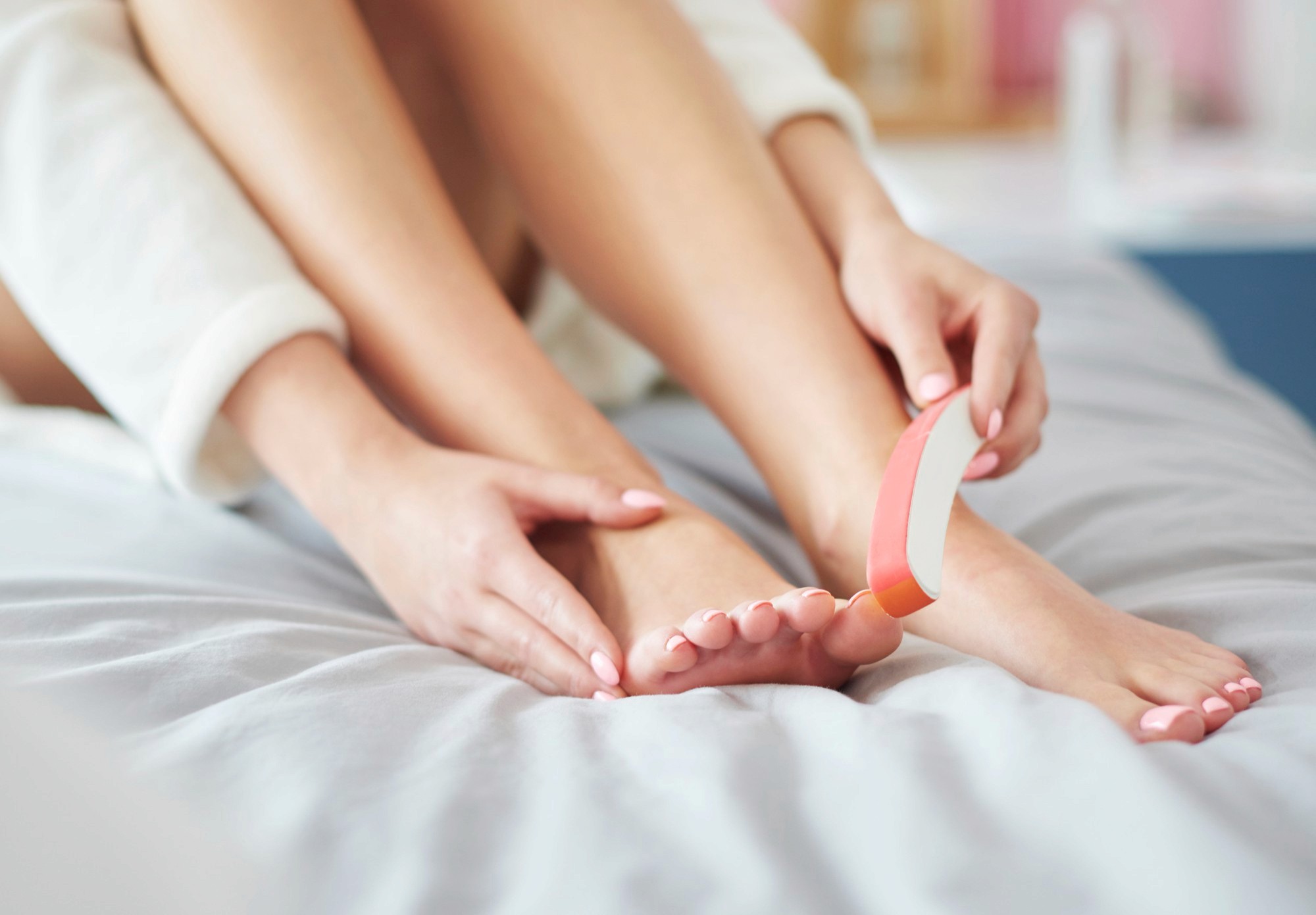
File Instead of Cutting – Use gentle, one-direction filing to protect the nail plate.
-
Slightly Round the Corners – Only minimal rounding for stability without sharp edges.
-
Follow-Up Care – Apply oil or cream to nails and cuticles for hydration and elasticity.
Pro Tips from MONLIS School
-
Personalization: Not every nail shape suits every foot. Training at MONLIS teaches how to choose the right form depending on nail and foot structure.
-
Precision over Speed: Slow and steady filing reduces the risk of mistakes or injuries.
-
Strict Hygiene: sing sterilized tools and a clean work environment is essential to prevent infections.
The square toenail shape is a proven classic in cosmetic pedicure. It ensures strength, elegance, and protection but requires precise technique to avoid risks such as ingrown nails or infections.
At MONLIS School Munich, students not only learn the correct shaping techniques but also how to adapt them to individual needs, minimize risks, and deliver safe, aesthetic, and professional results to their clients.