Healthy, well-groomed nails are not just an aesthetic feature but also a reflection of our overall health. At MONLIS School in Munich, the best school for manicure and pedicure, students learn how closely nail health is connected to lifestyle, daily habits, and stress levels. This article explores how stress and lifestyle factors affect your nails and how you can restore their strength and beauty.
The Connection Between the Body and Nails
Our nails are made of keratin – the same protein found in skin and hair. They are very sensitive to changes inside the body. Vitamin or mineral deficiencies, as well as poor blood circulation, quickly show up as brittle, soft, or discolored nails. That is why nails should not be seen in isolation, but as an important indicator of overall well-being.
How Stress Affects Nail Health
Chronic stress impacts many systems in the body – including nails. It can:
-
Slow nail growth. Stress hormones like cortisol can interfere with metabolism and cell renewal.
-
Make nails brittle or cause splitting. Nutrient delivery to the nail matrix is reduced, resulting in weaker nail plates.
-
Trigger nervous habits. Nail-biting or picking at cuticles often worsens under stress, damaging the nail area further.
At MONLIS School, future nail professionals are trained to identify these signs and recommend the right care routine to their clients.
Nutrition and Lifestyle as Key Factors
In addition to stress, nutrition plays a central role in nail health. Essential nutrients include:
-
Biotin and other B vitamins – to support keratin production and strengthen the nail plate.
-
Iron and zinc – to prevent ridges and breakage.
-
Omega-3 fatty acids – to keep nails flexible and prevent dryness.
Lack of sleep, smoking, and excessive caffeine can also negatively impact nail health. In our courses, we teach how a balanced lifestyle complements proper nail care for long-term results.
Professional Care and Prevention
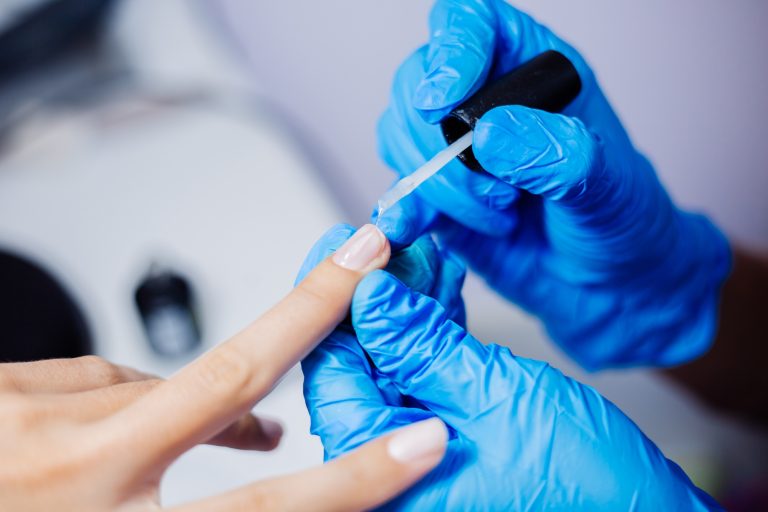
Proper nail care can minimize the effects of stress and poor lifestyle choices. At MONLIS School, students learn:
-
Gentle manicure techniques that do not weaken the nail plate.
-
Use of high-quality care products that moisturize and restore the nail structure.
-
Massage techniques that boost blood circulation and promote growth.
These techniques not only benefit clients but also help professionals keep their own nails and hands healthy.
Practical Tips for Everyday Life
To improve nail health, follow these tips:
-
Practice stress-management techniques – meditation, yoga, or breathing exercises.
-
Eat a balanced diet – include vegetables, protein, and plenty of water.
-
Moisturize and protect nails regularly – use nail oils, creams, and gentle filing.
-
Avoid excessive mechanical stress – wear gloves while cleaning or washing dishes.
Stress and unhealthy lifestyle habits leave visible marks on your nails. However, with the right combination of nutrition, care, and stress management, it is possible to strengthen nails and restore their natural beauty. MONLIS School in Munich provides in-depth education to help future professionals advise their clients holistically and achieve long-lasting results.