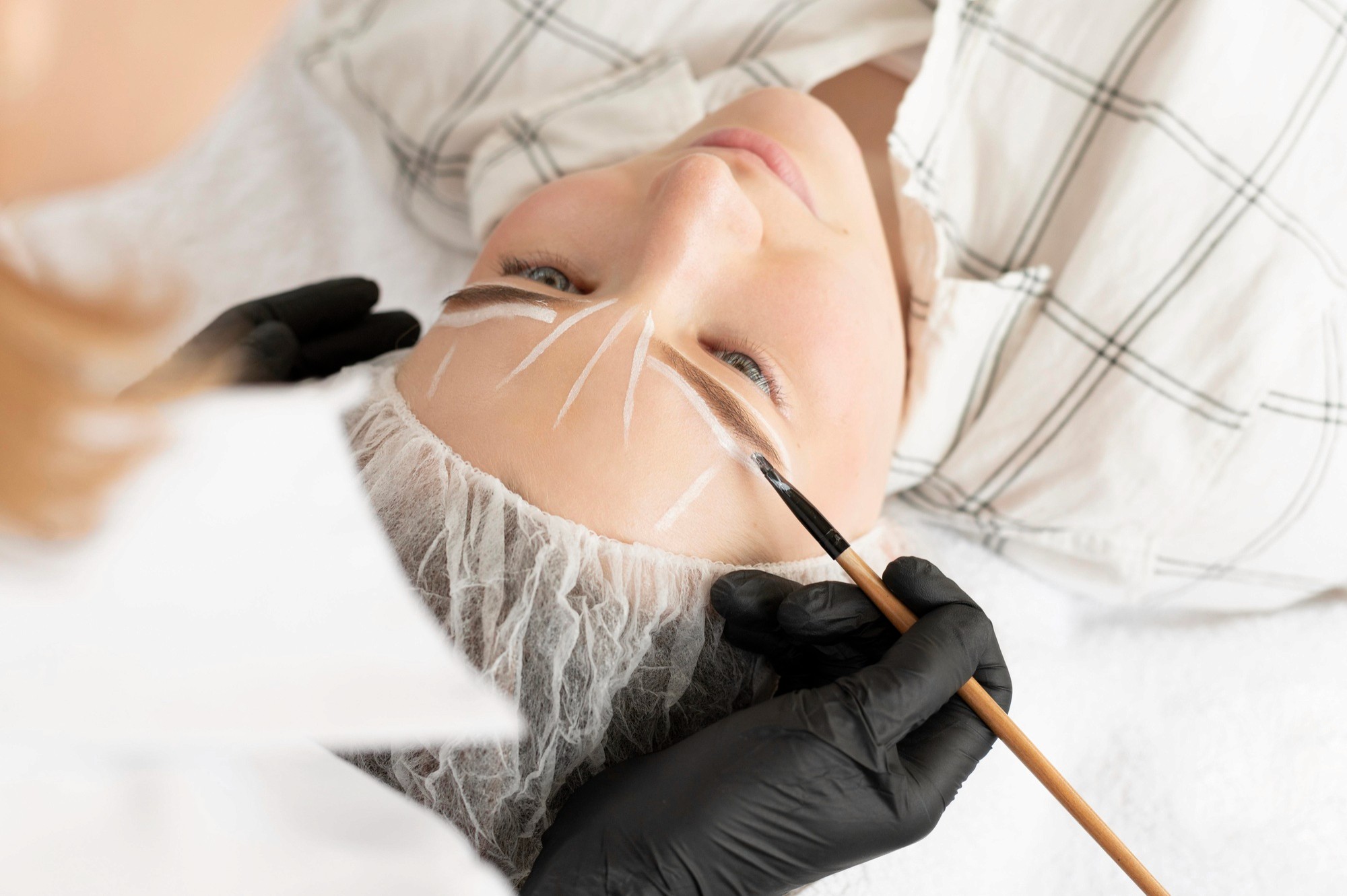
Hohe Augenbrauenbögen in der Architektur: Aufbau und Eignung
Nicht kategorisiert

Theory and Practice: How a Solid Base Shapes Brow Artists’ Skills

04. Sep 2025 admin 2 Min. Lesezeit

In the beauty industry, especially in the field of eyebrow design, success depends on much more than talent or creativity. A strong knowledge base and a solid theoretical education form the foundation for high-quality, safe, and long-lasting results. At MONLIS School Munich, we place great emphasis on combining theory with practice so that our students not only learn techniques but also understand why and how they work.

Why Theory Is Essential for Brow Artists

A brow treatment is far more than simply tinting or laminating eyebrows. Every hair, every skin type, and every face is unique. Only those who understand biological foundations, skin anatomy, and the properties of the materials used can work individually and professionally.

Theoretical knowledge allows students to choose the right shape, match colors to skin tone and hair type, and avoid risks such as skin irritation or unnatural results.

Linking Theory and Practice in Training

At MONLIS School, each module is designed so that theoretical content is immediately applied in practice. Students learn, for example:

  • to understand the structure of hair and its growth phases,

  • to apply color theory and pigment science in tone selection,

  • to implement strict hygiene standards,

  • to address individual client needs professionally.

This approach builds confidence during treatment, accelerates learning, and strengthens client trust.

Greater Confidence and Professionalism in Everyday Work

A brow artist with strong theoretical knowledge can respond quickly in unexpected situations. Whether dealing with sensitive skin, asymmetrical brows, or specific color requests, expertise helps in making the right decisions and avoiding mistakes.

Moreover, theory enables artists to adapt treatments individually instead of following a rigid formula. This is exactly what distinguishes a routine technician from a true professional.

Long-Term Success Through a Strong Foundation

The beauty industry is constantly evolving. New techniques, products, and trends require continuous learning. Those who acquire a strong theoretical foundation during their training at MONLIS School Munich can adapt more easily to these changes and secure long-term success.

Practical skills are vital—but without the right knowledge base, the foundation is missing. A brow artist who understands the theoretical background works not only more precisely but also more responsibly. At MONLIS School Munich, we ensure that every student gains this essential knowledge, giving them a decisive advantage in their professional career.


Frequently Asked Questions

Theoretical knowledge is the foundation upon which every professional skill is built. Understanding skin anatomy, hair structure, growth cycles, and the properties of cosmetic products allows a brow artist to work safely and effectively. For example, knowledge of color theory is essential for choosing the right shade of dye to match a client’s skin tone and hair color. In addition, theory helps anticipate potential reactions, prevent allergies, and avoid skin irritations. Without this background, a master works blindly, which increases the risk of mistakes and unsatisfactory results.
Practice is crucial, but without theory its potential is limited. A technician may be able to repeat certain movements or techniques, but if they don’t understand why those techniques work, they will struggle in unusual situations. For instance, without knowledge of pigmentology, it’s easy to choose a color that results in unwanted undertones. Theory provides the “why” behind each method, which allows a brow artist not only to execute but also to adapt. It is the combination of practice and theory that builds confidence, flexibility, and true professionalism.
At MONLIS School Munich, the theoretical modules are designed to cover all essential aspects of brow artistry. Students learn about the structure of hair and its life cycle, as well as color theory and pigment science to ensure accurate shade selection. They study skin anatomy and its possible reactions to various treatments, which is crucial for customizing procedures. Hygiene and safety standards are another cornerstone, as they protect both the client and the professional. Additionally, students gain knowledge about choosing the right tools and products, giving them a strong basis for mastering any practical technique.
A strong theoretical background enables a brow artist to approach each client individually. For example, if a client has sensitive skin, the artist can select gentler products and adjust the technique accordingly. Understanding facial anatomy also helps in designing brows that enhance the client’s natural features rather than creating imbalance. Beyond technique, being able to explain decisions builds trust and reassures clients. As a result, clients not only leave with beautiful brows but also with the confidence that their treatment was carried out professionally and safely.
Absolutely. Theory provides the long-term foundation for growth and adaptability. The beauty industry evolves constantly, with new techniques, tools, and products emerging all the time. A brow artist with solid theoretical knowledge can quickly master these innovations instead of being overwhelmed by them. For example, understanding the principles of color theory makes it easy to work with new generations of pigments and dyes. Theory also prevents professional stagnation, helping artists view their work as both art and science rather than repetitive tasks. That’s why at MONLIS School Munich, equal emphasis is placed on theory and practice — it equips students for confidence, flexibility, and lasting success in their careers.
Chat