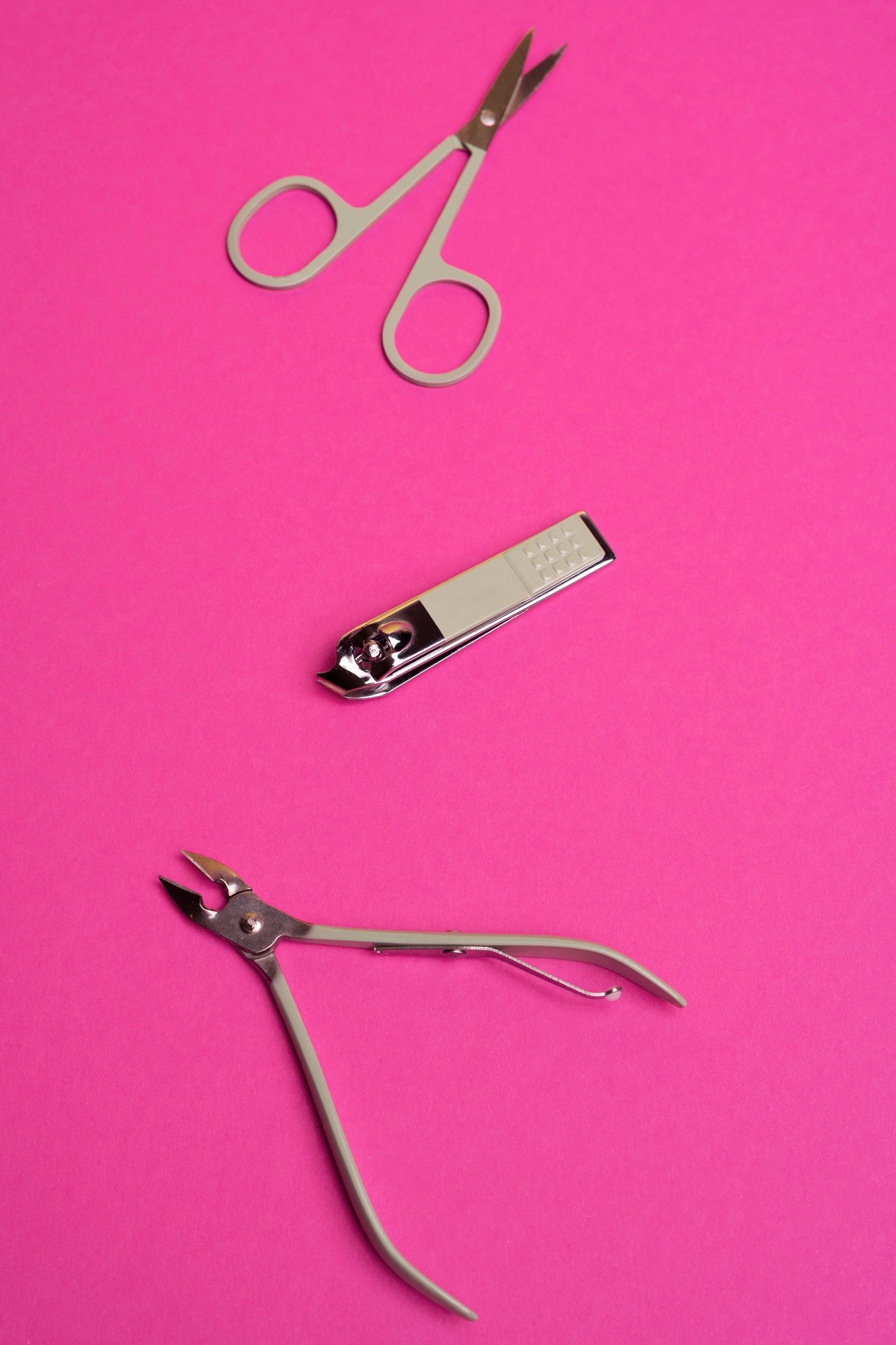
The beauty industry is full of innovations and promises designed to improve the work of professionals and extend the lifespan of tools. One of the trending topics is the titanium coating of manicure and pedicure tools. But does titanium really make a difference, or is it just a marketing buzzword?
At MONLIS School Munich, one of the leading academies for manicure and pedicure, students learn to critically evaluate such claims and understand which tools truly bring value in everyday practice.
What Is Titanium Coating?
Titanium coating is a process where the surface of a tool is covered with a thin layer of titanium, typically through physical or chemical vapor deposition methods. The goal is to improve the hardness, resistance to wear, and overall durability of the instruments, while also giving them a distinct appearance.
Key properties of titanium-coated tools:
-
Harder surface compared to plain stainless steel.
-
Attractive gold or matte finish.
-
Added resistance to scratches and surface wear.
Myth or Reality?
1. Durability
Titanium coating can make tools more resistant to scratches and surface wear. However, the coating gradually wears off with frequent sterilization, meaning it does not last forever.
2. Hygiene
Stainless steel is already highly hygienic and resistant to corrosion. Titanium coating does not significantly improve this property.
3. Precision
The sharpness of manicure tools depends on the quality of stainless steel and craftsmanship, not the coating. Titanium has little impact on cutting precision.
4. Appearance
The golden finish gives instruments a premium look, making them stand out. This aesthetic appeal is a plus for some professionals, though it does not affect performance.
Advantages of Titanium Coating
-
Scratch resistance: Tools keep their new look longer.
-
Easy identification: Golden-coated tools are easy to distinguish from standard ones.
-
Premium image: Titanium gives an impression of luxury and professionalism, which may boost client trust.
Limitations and Misconceptions
-
Titanium coating does not replace proper sterilization and hygiene practices.
-
The coating wears off over time due to autoclaving and disinfectants.
-
The base material (stainless steel) and craftsmanship matter more for tool quality than the coating itself.
Training at MONLIS School Munich
At MONLIS School Munich, students gain hands-on experience with a variety of tools, from standard stainless steel to titanium-coated versions. They learn:
-
How titanium coatings work and when they are beneficial.
-
Which materials are most practical for long-term use.
-
Proper maintenance and sterilization techniques, regardless of coating.
-
How to evaluate marketing claims critically and make informed choices.
This knowledge helps future professionals make smart, safe, and effective decisions in their daily work.
Titanium coating on manicure tools is not a myth, but it’s not a necessity either. It provides some aesthetic and practical benefits, yet the true foundation of quality lies in stainless steel and proper tool care.
At MONLIS School Munich, students are taught to recognize these differences and to prioritize safety, durability, and professionalism over trends. Whether titanium-coated or not, the real value of an instrument comes from its quality and the skills of the professional using it.