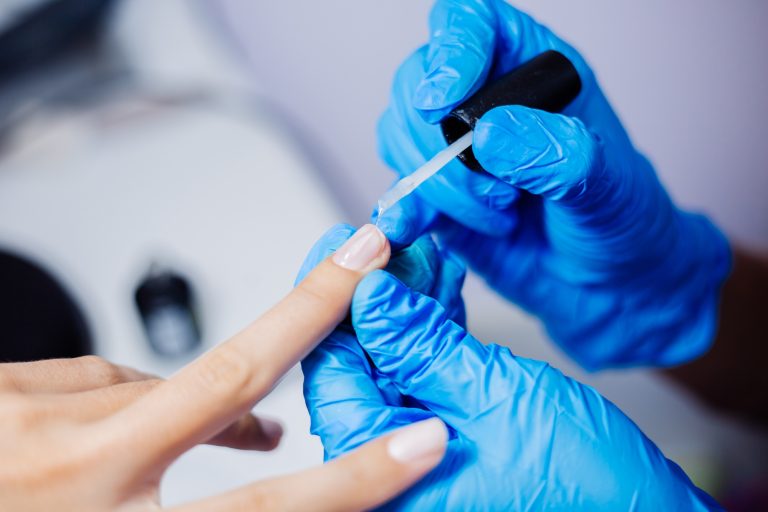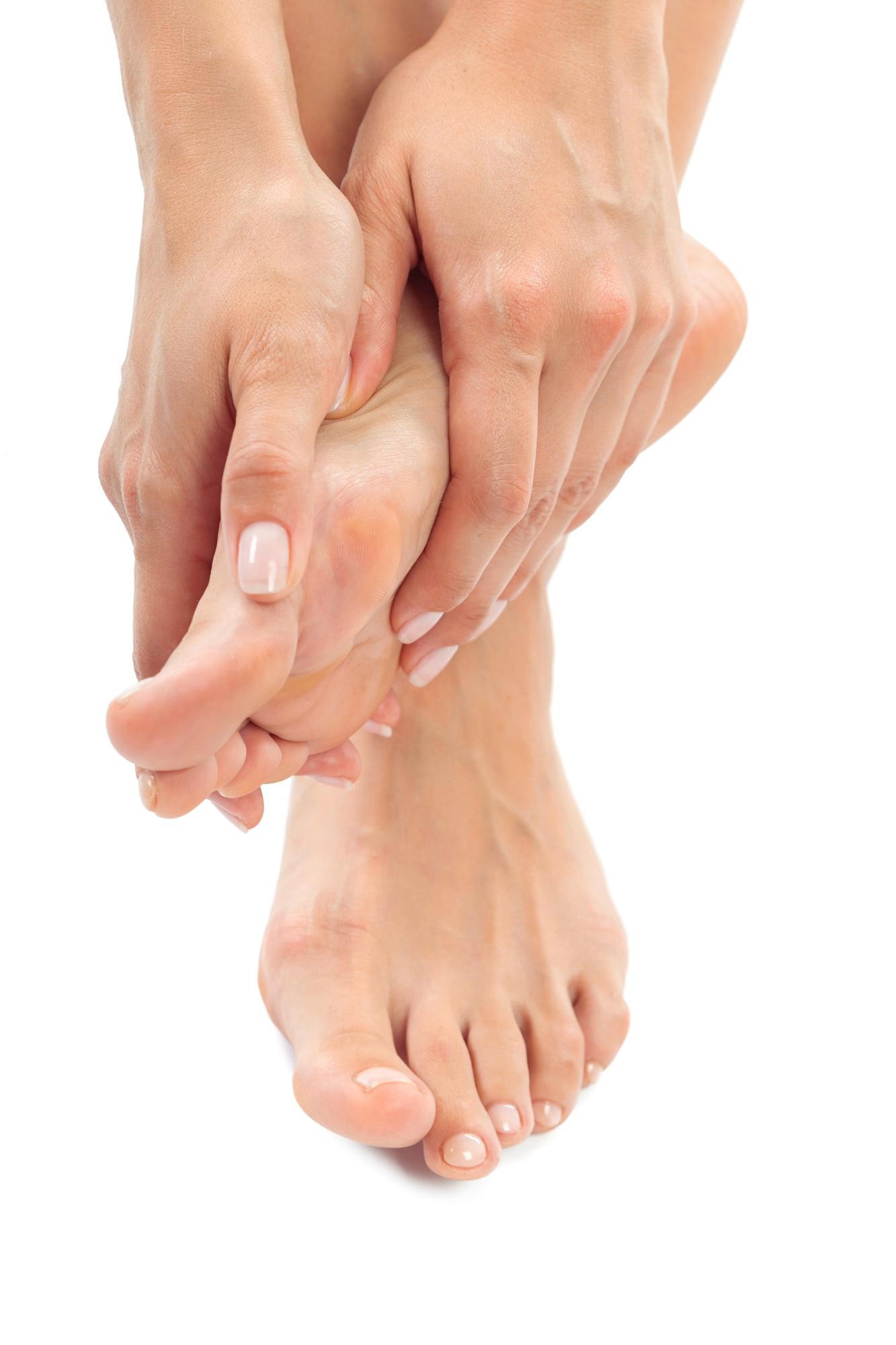
Working on toenails is a task that requires more than just technical skill. In the field of cosmetic foot care, a thorough understanding of nail anatomy is essential. This knowledge allows professionals to avoid harm, tailor treatments to individual clients, and maintain high standards of hygiene and safety. At MONLIS School in Munich, students learn not only techniques but also the medical-cosmetic fundamentals of their craft.
1. Why Is Nail Anatomy So Important in Pedicure Work?
Every foot is different, and toenails vary in shape, thickness, and condition. Without proper anatomical knowledge, pedicurists risk causing pain, damage, or infections. Understanding nail structure allows professionals to:
-
Identify issues early, such as fungal infections or ingrown nails
-
Use tools correctly, depending on nail thickness and shape
-
Provide individualized, responsible treatments with minimal risk of injury
2. Structure of the Toenail: An Overview
A healthy toenail is made up of several key components:
-
Nail Plate – the visible part of the nail made of hardened keratin cells
-
Nail Bed – the living, blood-rich skin beneath the nail plate
-
Nail Matrix (Root) – the growth center of the nail, must be protected from injury
-
Nail Folds and Sidewalls – the borders of the nail, often sensitive and prone to inflammation
-
Cuticle – protects the matrix and should only be removed gently
3. Unique Features of Toenails Compared to Fingernails
-
Toenails grow more slowly – around 1–1.5 mm per month
-
They are usually thicker and more curved, requiring specific tools
-
Footwear pressure can cause deformations and ingrown nails
-
Strict hygiene is crucial, as feet are more prone to bacteria and moisture
4. Common Toenail Problems and How to Identify Them
At MONLIS School, students are taught to recognize and assess the most common toenail conditions:
-
Onychomycosis (Fungal Infections) – thickened, discolored, brittle nails
-
Ingrown Toenails (Unguis incarnatus) – painful and often inflamed, especially on the big toe
-
Trauma-related injuries – caused by improper cutting or pressure from shoes
-
Nail growth disorders – resulting from improper techniques or chronic strain
Professionals should be able to detect these conditions early and refer clients to medical specialists if necessary.
5. What Makes Training at MONLIS School Unique
The cosmetic foot care program at MONLIS School in Munich includes:
-
Clear, foundational anatomy lessons with practical examples
-
Hands-on practice on real models
-
Basic pathology insights – when to treat, when to refer
-
Close guidance from experienced instructors with real-world expertise
This comprehensive approach prepares future professionals for safe, skilled, and client-oriented work.
Understanding toenail anatomy is not optional – it’s essential. Those who master it work more safely, hygienically, and confidently. MONLIS School in Munich trains pedicure specialists who combine expertise, responsibility, and empathy to deliver top-level care.