Hangnails – those small tears in the skin around the nails – are not only unsightly but can also cause pain, inflammation, and even infection. They are often the result of dry skin, poor nail care, or mechanical irritation and can affect anyone, regardless of age or gender.
At MONLIS School in Munich – one of the leading academies for manicure and pedicure – future professionals are taught how to deal with hangnails safely, hygienically, and effectively. In this guide, we explain how to remove them properly and prevent them from recurring.
1. What Are Hangnails and Why Do They Occur?
Hangnails are small, torn pieces of skin around the cuticle or side of the nail. They usually appear on the dominant hand, especially in winter or after frequent exposure to water, sanitizers, or cleaning products. Common causes include:
-
Dry skin and lack of care
-
Mechanical irritation (e.g., nail biting, picking at skin)
-
Improper manicure techniques
-
Vitamin deficiencies (especially A, E, and B-complex)
-
Contact with harsh chemicals or allergens
2. What Should You Absolutely Avoid?
Even if it’s tempting, never rip or pull off a hangnail! This can:
-
Cause deeper skin tears
-
Lead to bleeding
-
Create an entry point for bacteria
-
Result in nail infections or paronychia
Removing them with dirty tools or your fingers poses a high risk of infection.
3. Safe Removal – Step-by-Step Instructions
At MONLIS School, students learn the gentlest and most hygienic techniques for removing hangnails:
-
Wash and disinfect hands
-
Soak the affected fingers for 2–3 minutes in warm water, optionally with mild soap or oil
-
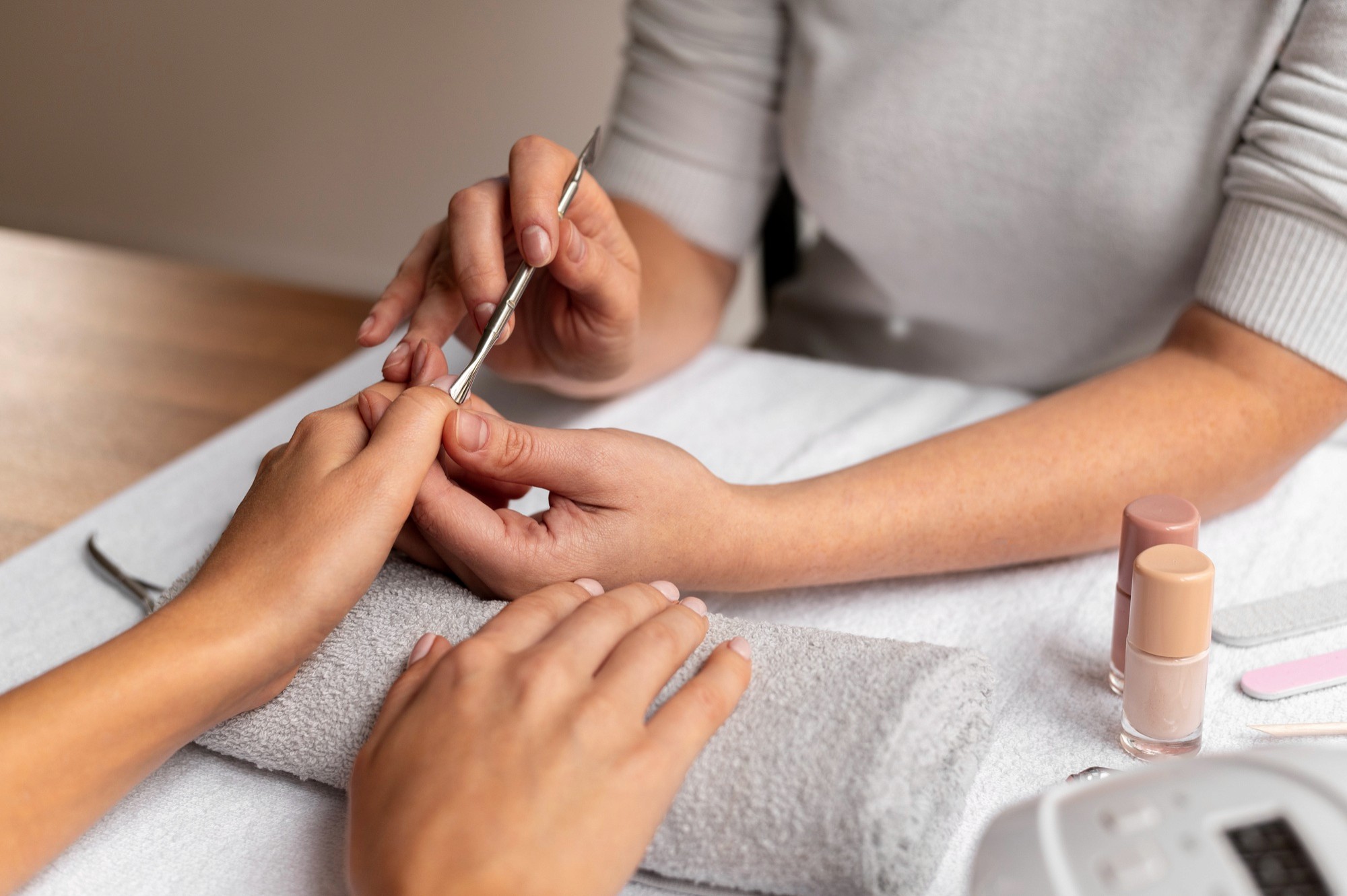
Use a fine, disinfected cuticle nipper or skin scissors
-
Gently trim the hangnail flush with the skin, avoiding healthy tissue
-
Disinfect the area again after trimming
-
Apply a healing cuticle oil or ointment
4. Professional Prevention in Manicure Training
At MONLIS School, nail technicians are taught to:
-
Keep the cuticle soft and supple with oils, massages, and the right creams
-
Recognize when removal is safe – and when it’s better to wait
-
Sterilize tools properly
-
Educate clients on home care to reduce recurrence
Proper treatment of sensitive cuticles improves both healing and the overall appearance of the manicure.
5. Home Care Tips for Clients
Clients can also prevent hangnails at home with simple routines:
-
Apply cuticle oil or rich hand cream daily
-
Never pick at or tear loose skin
-
Use gentle, pH-balanced hand soaps
-
Wear gloves when cleaning or washing dishes
-
Stay hydrated and maintain a vitamin-rich diet
6. When to See a Specialist
A hangnail may require professional attention if it is:
-
Red, swollen, or warm to the touch
-
Oozing or bleeding
-
Painful when moving the finger
-
Recurrent or persistent
In such cases, a podiatrist, cosmetologist, or doctor should be consulted. At MONLIS School, hygiene and safety are always a top priority to prevent complications.
Whether in the salon or at home, dealing with hangnails requires attention and the right technique. At MONLIS School in Munich, this essential knowledge is taught as part of every basic manicure course – so clients can enjoy healthy, pain-free, and beautifully groomed hands.