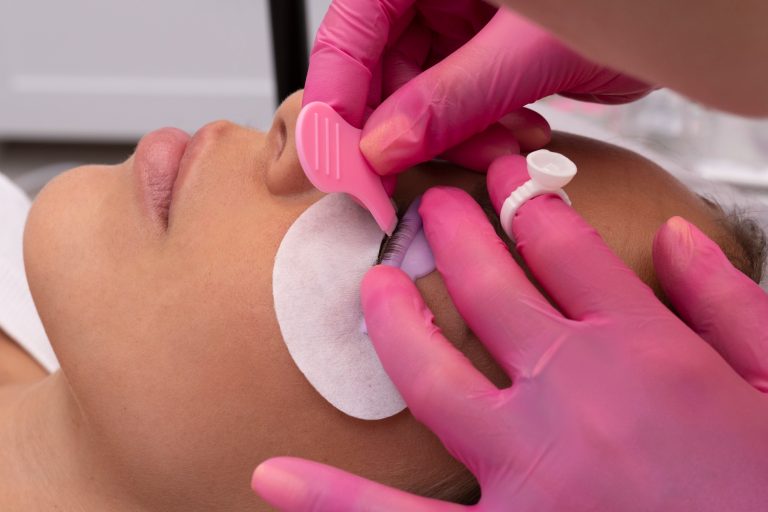
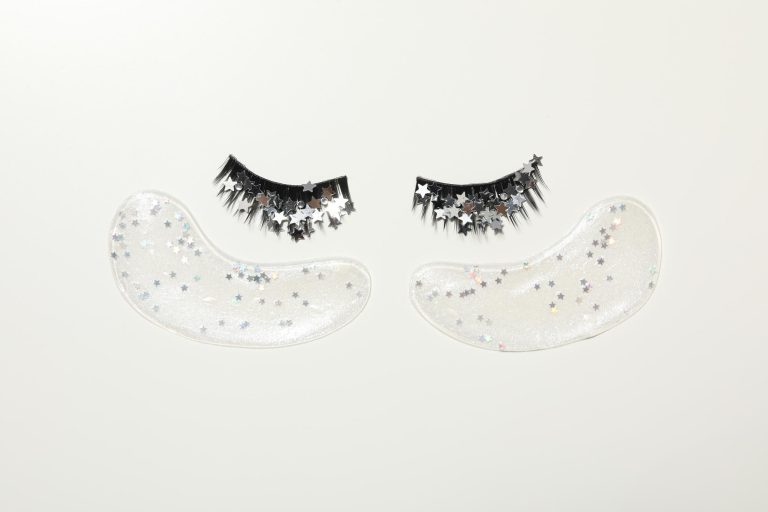
Tools for creating different effects — lift, curl, natural look — form the foundation of precise and consistent work in lash lifting. From the selection of silicone pads to the quality of microbrushes, not only the visual outcome but also the client’s comfort during the procedure can be influenced. In professional training, understanding how each tool affects lash shape is essential, which is why specialists pay close attention to this stage.
MONLIS School is a creative training center where modern technologies, precision, and hands-on experience come together. Future beauty professionals learn to select tools thoughtfully and work in accordance with current hygiene standards.
Which Tools Shape the Result of Lash Lifting
Lash lifting tools can generally be divided into several categories. Each plays a role in the final curl and the overall visual appearance of the lash line.
- Silicone pads — determine the direction and intensity of the lift.
- Lifting rods — are often used to create a more pronounced curl.
- Fixing adhesive — helps secure lashes neatly onto the pad.
- Y-comb — supports precise separation without crossing lashes.
- Microbrushes — allow controlled and hygienic application of lotions.
- Tweezers — assist with delicate adjustments to lash placement.
When used correctly, these tools can contribute to a refined result that visually enhances the eyes without appearing overly dramatic.
How Silicone Pads Influence Lift and Curl
Pads in sizes S/M/L are typically chosen based on the length and density of natural lashes. Very small pads may create a stronger curl, while larger options often support a softer lift.
Professionals commonly observe that:
- Rounder shapes usually produce a more noticeable curl.
- Flatter pads may help achieve a more natural-looking effect.
- Symmetrical placement directly impacts the evenness of the result.
The final choice is always individual and should consider eyelid anatomy as well as lash structure.
Natural Look vs. More Pronounced Lift: Selection Criteria
Many clients prefer a subtle, natural appearance. In such cases, a medium-height pad may be considered, while carefully controlling the amount of adhesive to help avoid an overly sharp bend.
A more noticeable lift may suit those who wish to emphasize their eye shape and reduce daily makeup time. A thorough consultation is important to clarify expectations and discuss realistic outcomes.
Clear communication can minimize misunderstandings and support overall satisfaction.
Tools That Help Prevent Common Mistakes
Even high-quality lotions cannot compensate for inaccurate lash placement. Specialists frequently encounter the following situations:
- crossed lashes due to insufficient separation;
- uneven curl caused by pad movement;
- excessive adhesive;
- visible differences between the two eyes.
A Y-comb and fine applicators help align lashes evenly, while tweezers can be used for adjustments before applying the lotions.
According to industry professionals, careful preparation may significantly improve the predictability of the procedure.
Hygiene and Safety When Working with Tools
Proper hygiene is a fundamental professional standard. Reusable instruments are disinfected in accordance with applicable hygiene requirements, and disposable materials are used only once.
These measures may help reduce the likelihood of unwanted skin reactions and support a consistent level of service.
When working with lifting lotions, manufacturer instructions should always be followed and processing times carefully monitored. Cosmetic procedures are intended to care for and enhance appearance; however, individual responses can vary.
What Beginners Should Consider When Building a Kit
Beginners are often advised to assemble their basic kit gradually while focusing on quality.
- Pads in multiple sizes expand styling possibilities.
- A professional adhesive can simplify fixation.
- Precise separation tools may help avoid repeated adjustments.
- Ergonomic microbrushes support economical product use.
Structured training under professional guidance can help learners understand techniques more quickly and apply tools with greater confidence.
The Role of Education in Developing a Professional Approach
Practical experience suggests that stable skills develop most effectively in a controlled learning environment. During training, future specialists learn to analyze starting conditions, select appropriate tools, and adapt their technique to each client.
Some modern studies in cosmetology indicate that standardized working protocols can contribute to the safety of cosmetic procedures. This information may require additional source verification if used in academic contexts.
Key Points About Tools for Creating Different Effects: Lift, Curl, Natural Look
- Tool selection strongly influences the visual effect of lash lifting.
- The size and shape of silicone pads determine lift intensity.
- Precise separation supports a neat overall appearance.
- Hygiene standards remain essential in professional practice.
- Comprehensive training can contribute to safer and more conscious work.