The shape of toenails plays a crucial role not only in aesthetics but also in nail health. One of the most popular and safest choices in cosmetic pedicure is the square nail shape. Considered a timeless classic, it combines elegance with functionality, significantly reducing the risk of ingrown toenails.
At the MONLIS School in Munich, the leading academy for manicure and pedicure, students learn how proper shaping is fundamental for professional results. The square nail shape is taught as the foundation because it aligns naturally with the growth pattern of most toenails.
Why Is the Square Nail Shape So Popular?
The square shape offers multiple advantages:
-
Health benefits: Straight edges reduce the likelihood of ingrown nails, one of the most common pedicure problems.
-
Natural fit: This shape follows the natural growth of toenails.
-
Strength and durability: Square nails are less prone to breaking, as the sides remain intact.
-
Aesthetic appeal: They look neat, clean, and timeless – suitable for every foot type.
-
Versatility: Provides a perfect base for both natural and decorative pedicure designs.
Step-by-Step: How to Shape Square Nails
1. Preparation
Start with thorough cleaning and disinfection. At MONLIS School, hygiene is emphasized to prevent infections and ensure safe results.
2. Trimming
Nails are cut straight across, leaving a slight free edge above the skin to avoid ingrowth. The sides should never be cut too deep.
3. Filing
A nail file is used to refine the edges into a straight, clear line. The corners are gently smoothed but not rounded, preserving the square look.
4. Check and Correct
Finally, symmetry and evenness are checked. At MONLIS School, students are trained to develop a precise eye for detail in shaping.
Common Mistakes with Square Nail Shaping
Although the shape seems simple, mistakes are common:
-
Cutting too deeply at the sides: increases the chance of ingrown nails.
-
Rounding the corners: weakens the nail structure and changes the natural growth pattern.
-
Over-shortening: can cause pain while walking and expose the toe to infections.
This is why professional training, such as at MONLIS School Munich, is essential to mastering the correct technique.
Care Tips for Square Nails
To maintain the square shape and nail health, follow these tips:
-
File regularly: Gentle, frequent filing is better than aggressive trimming.
-
Moisturize: Use nail oils and hydrating creams to keep nails flexible and strong.
-
Wear proper shoes: Comfortable footwear prevents pressure, friction, and deformation.
-
Professional pedicure: Regular visits to a trained specialist ensure safe care and beautiful results.
Square Shape as a Base for Nail Art
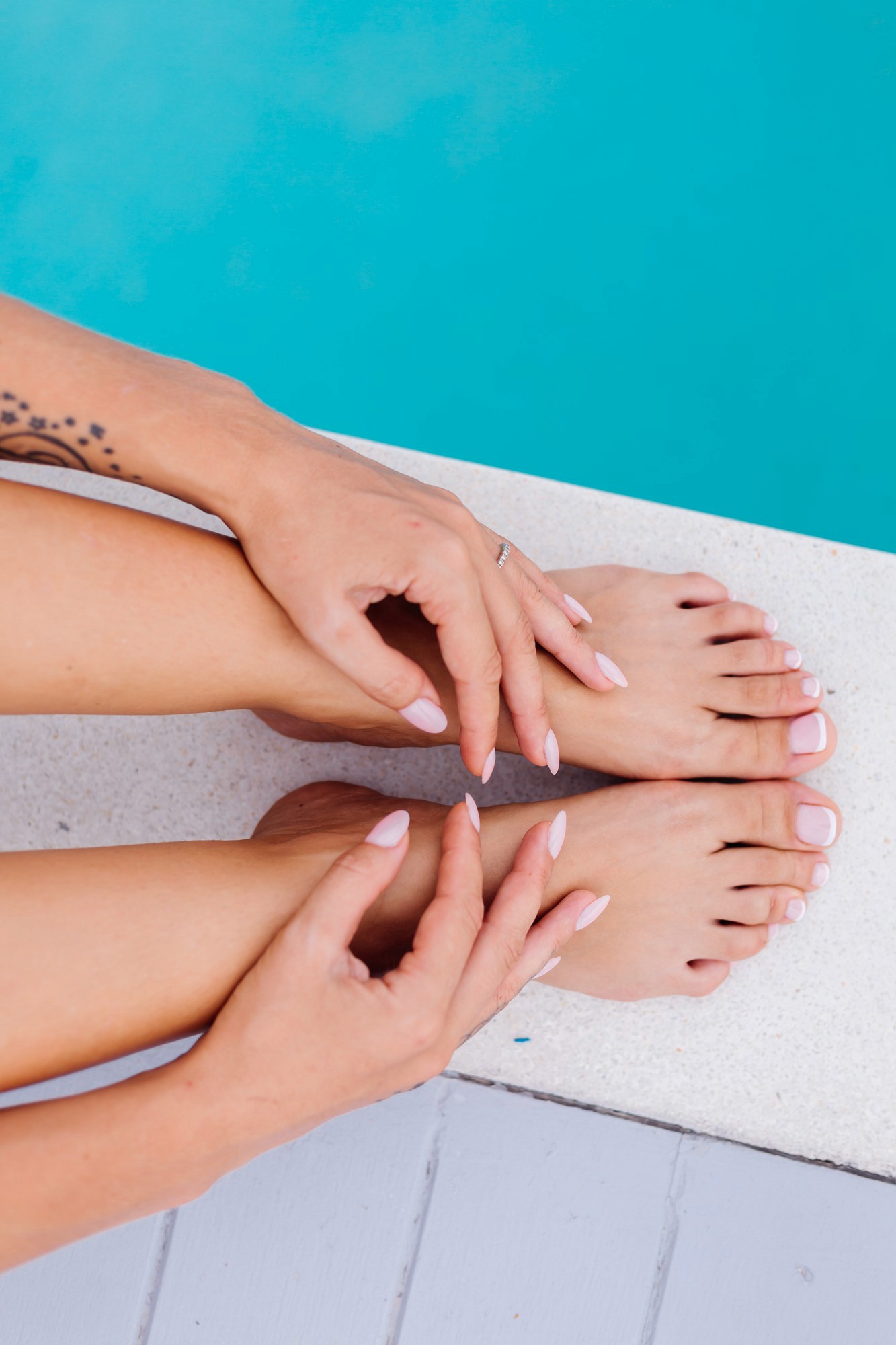
The square nail shape is not only functional but also highly aesthetic. It provides a perfect base for French pedicure, classic polish, or modern nail art. Its clean, straight edges enhance elegance and balance in any design.
The square nail shape is the ultimate classic of cosmetic pedicure. It combines beauty, health, and safety, making it the most recommended form for long-term results. Properly shaped, it prevents ingrown nails and maintains a well-groomed, professional appearance.
At the MONLIS School in Munich, students learn to shape nails step by step, avoid common mistakes, and combine functionality with aesthetics. This ensures they graduate as confident professionals, delivering pedicure results that are both healthy and stylish.