In the beauty industry, hygiene is not just a requirement – it’s a foundation of professional practice. For manicure and pedicure specialists, daily routines must meet the highest cleanliness standards, not only for legal compliance but for the protection of clients and staff. MONLIS School in Munich, renowned for its comprehensive beauty training, explains how to build lasting hygiene habits, with a focus on clean hands and disinfected surfaces.
1. Why Hygiene Is More Than a Regulation
A hygienic work routine protects:
-
clients’ health,
-
the professional’s own health,
-
the studio’s reputation,
-
and legal compliance during inspections.
In nail care, where skin contact, micro-injuries, and fluids are part of daily work, invisible germs can pose real risks. Good hygiene doesn’t come from one-time actions – it develops through repetition and awareness.
2. The Foundation: Proper Hand Cleaning and Disinfection
At MONLIS School, students learn from day one how essential hand hygiene is – not only before, but also between treatments.
Recommended steps:
-
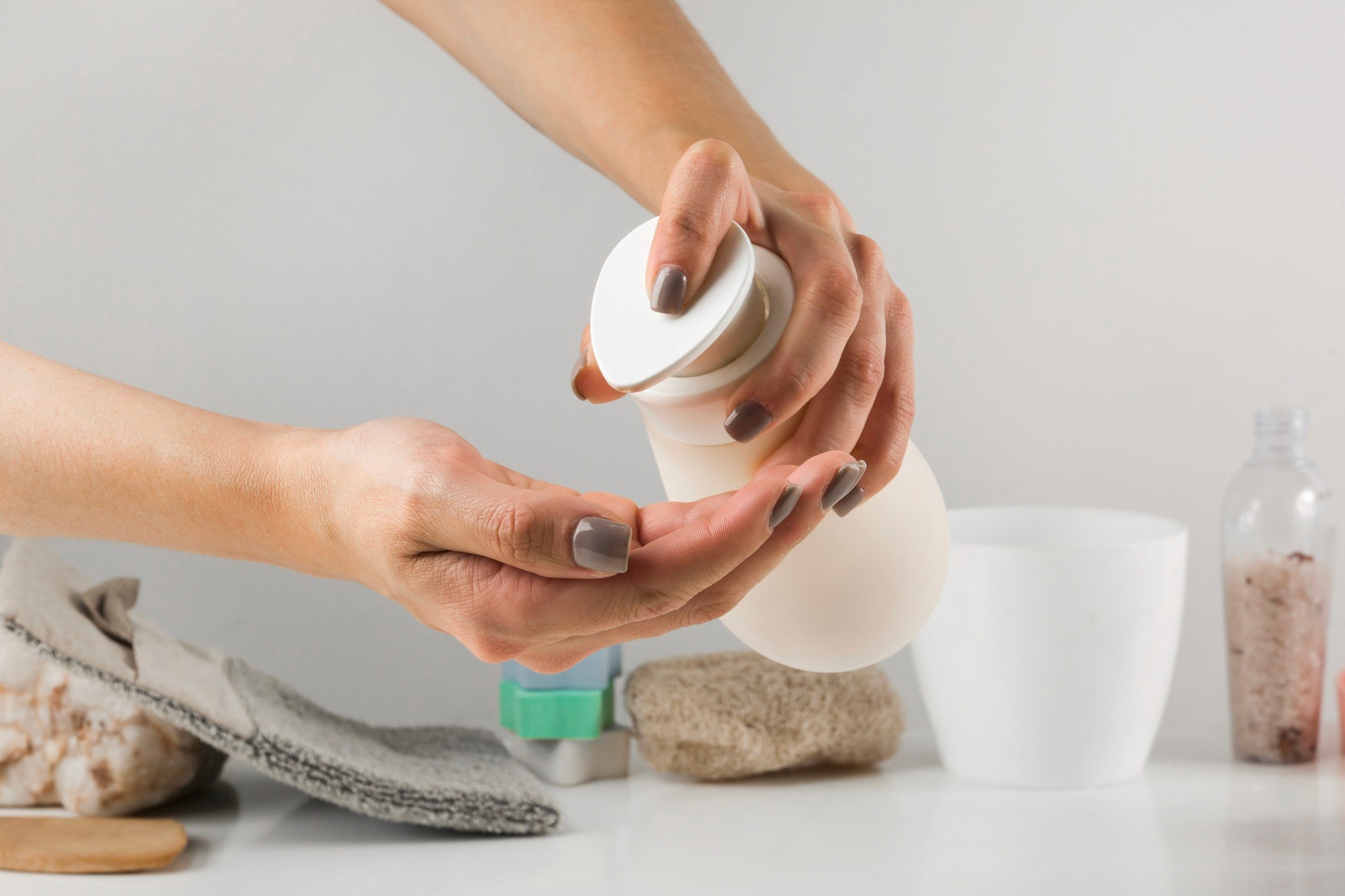
Wash hands with soap for at least 30 seconds.
-
Disinfect hands with a skin-friendly alcohol-based sanitizer.
-
Don’t forget fingernail beds and fingertips – these areas trap bacteria.
-
Post-disinfection care: Use hand creams to protect the skin barrier.
These steps should become automatic – a reflex before and after every client.
3. Surface Cleaning: Not Just Visibly Clean, but Hygienically Safe
Many pathogens are invisible to the naked eye. Therefore:
-
Wipe down tables, armrests, tools, and lamps after every client.
-
Use disinfectants proven effective against bacteria, viruses, and fungi.
-
Clean high-contact areas like door handles, switches, and lotion bottles regularly.
-
Plan a weekly deep clean – including floors, upholstery, and drawers.
At MONLIS, students practice creating cleaning schedules and integrating them into daily routines.
4. The Psychology of Habit: How Hygiene Becomes Routine
Habits form through repetition, reminders, and positive reinforcement. That means:
-
Use daily checklists to reinforce tasks.
-
Place visual cues like posters or stickers near sinks and workstations.
-
Lead by example – instructors and team leads must model best practices.
-
Introduce reward systems, such as recognition for consistently excellent hygiene.
At MONLIS School, hygiene is not enforced through fear – it’s embedded into the learning culture.
5. Client Perception: Hygiene Builds Trust
Cleanliness is seen not only as a necessity but as a sign of professionalism. Clients notice:
-
Disinfection done in front of them,
-
Clean uniforms or clothing,
-
Well-organized, tidy workspaces,
-
Freshly cleaned tools and instruments.
A visibly clean and disciplined approach creates trust and builds long-term client relationships.
Clean hands and disinfected surfaces may seem simple – but they are the foundation of safe, professional work. At MONLIS School in Munich, this mindset is taught from the start: through hands-on practice, clear protocols, and a positive attitude toward hygiene responsibility. Those who develop the right habits early protect not just others – but themselves, every day.
Want to learn how to make hygiene second nature?
Start your training at MONLIS School Munich – with a clean, safe, and professional entry into the beauty industry.