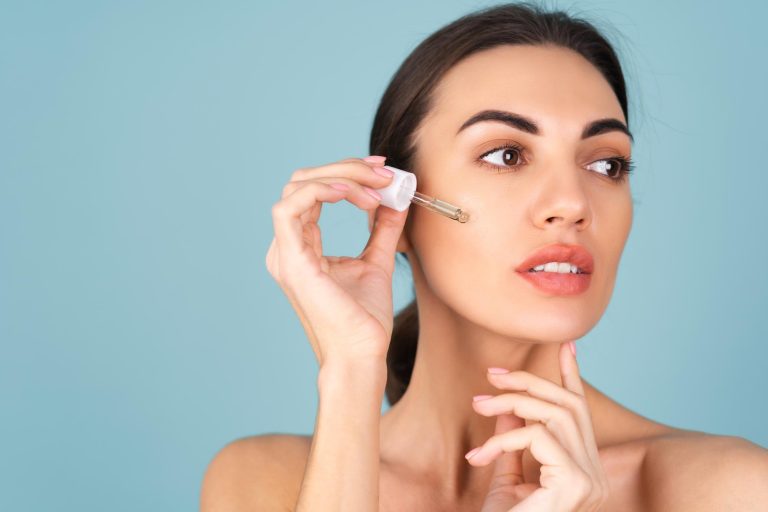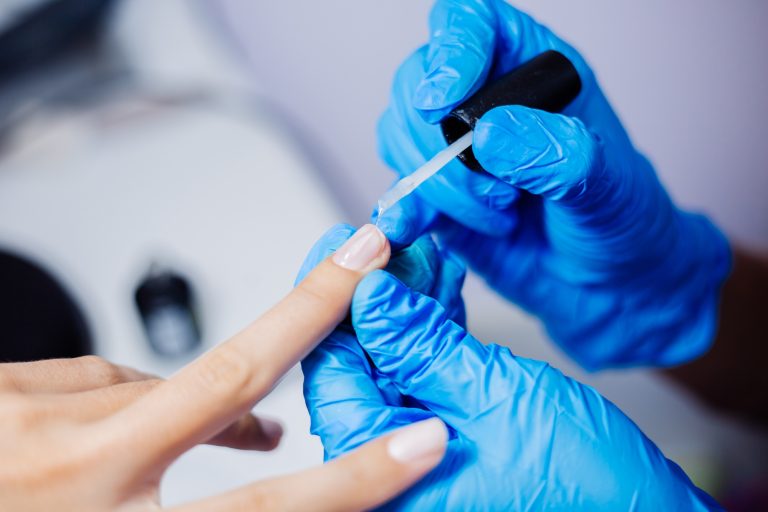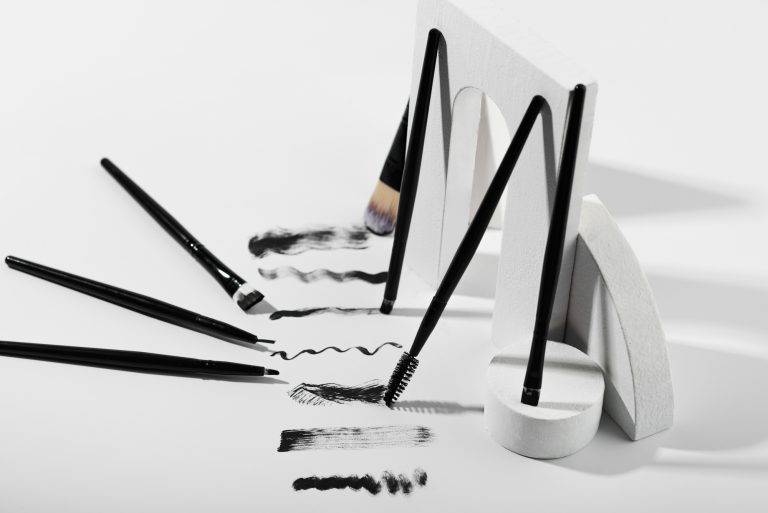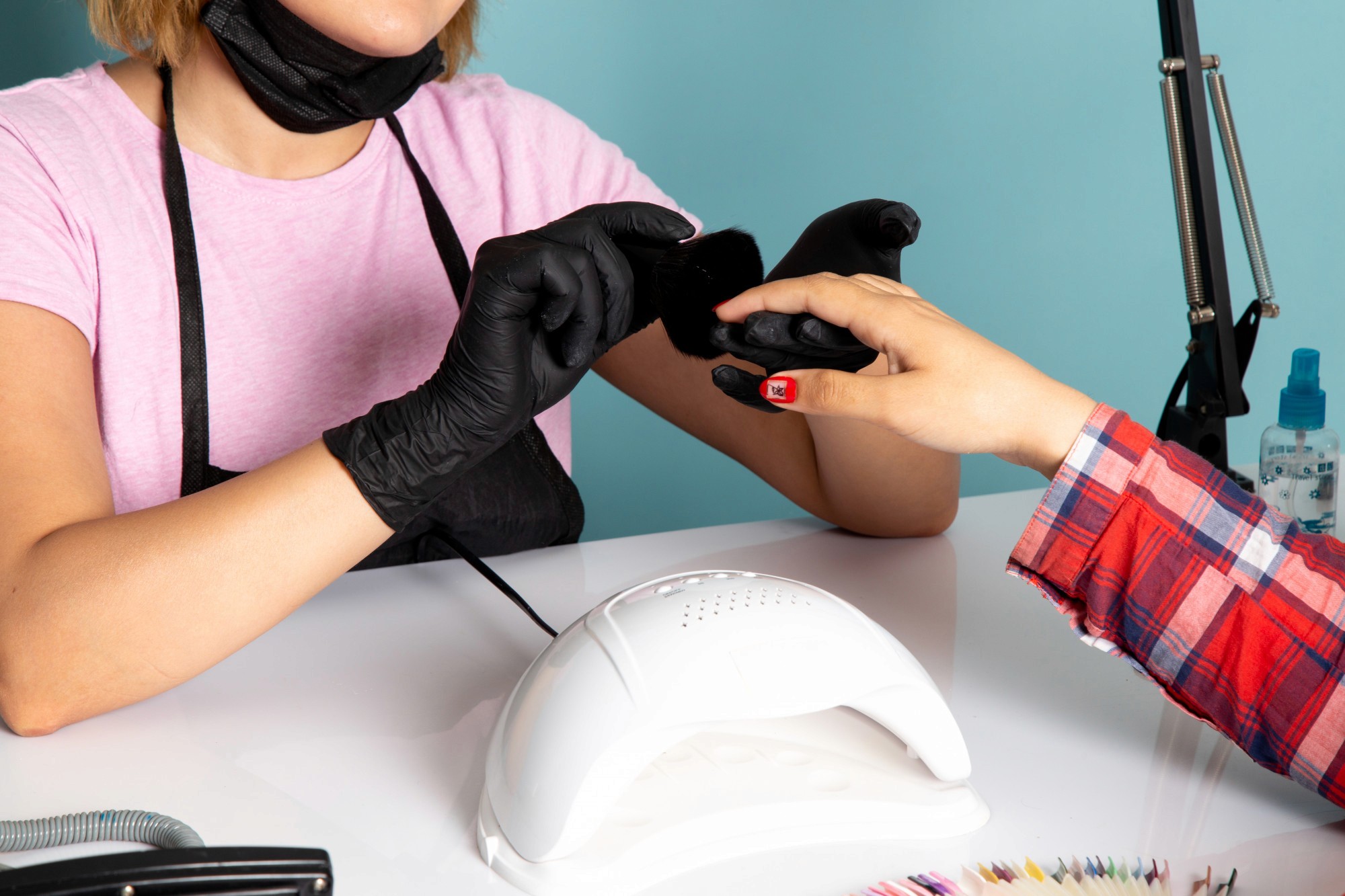
At MONLIS School Munich, professional manicure and pedicure training goes far beyond creating a beautiful look – it’s also about learning proper technique and skin safety. When applying nail polish, precision is essential, because even a small mistake can cause the polish to touch the skin. This not only affects the final appearance but can also cause irritation and reduce the polish’s durability.
Why Skin Protection Is Essential
Nail polishes contain solvents and pigments that can dry out or irritate the skin. When the polish regularly touches the cuticle area, it may cause inflammation, peeling, or dryness. For professional nail artists and students at MONLIS School, protecting the client’s and their own skin is a key part of professional hygiene and care.
Preparation – The Foundation for Precise Work
Before applying nail polish, the area around the nail should be cleaned and slightly hydrated. MONLIS School recommends applying a thin layer of barrier cream or petroleum jelly around the nail edges. This creates a protective film that prevents the polish from sticking to the skin. However, make sure it doesn’t touch the nail surface, as it can affect polish adhesion.
Another professional tip is to use liquid latex – a product that dries after application and can be easily peeled off once the manicure is done. It’s ideal for protecting the skin from stray polish and saving time during cleanup.
The Right Technique When Applying Polish
Proper brush handling is essential. At MONLIS School Munich, students are taught to hold the brush at a 45-degree angle to the nail. The brush should never be overloaded – too much polish almost always leads to accidental skin contact.
Professionals work with three controlled strokes: one in the middle, one on each side. This ensures even coverage and clean edges while preventing polish from flooding the cuticle area.
After Application – Clean-Up and Care
If polish accidentally touches the skin, MONLIS School recommends using a fine correction brush or pen dipped in remover to carefully clean the edges. Work with precision to avoid irritating the skin with harsh chemicals.
After finishing, apply nourishing oils or hand cream to restore moisture and protect the skin barrier from the effects of solvents.
Tools and Products That Support Clean Work
Students at MONLIS School learn that the right tools make a huge difference. The essentials include:
-
Liquid latex or protective gel barrier
-
Correction pens with acetone-free remover
-
Fine angled brushes for precision cleaning
-
High-quality polishes with ideal viscosity
-
Proper lighting for detailed work
These products help maintain professional standards, protect the skin, and ensure a flawless, salon-quality finish.
Common Mistakes and How to Avoid Them
A common mistake among beginners is using too much product or rushing the process. MONLIS School emphasizes patience, control, and a systematic approach. Regular brush cleaning and replacing worn-out tools are equally important for professional results.
Another typical issue is poor nail preparation. If dust or oil remains on the nail, the polish may spread unevenly – increasing the risk of staining the skin.
Skin protection during nail polish application is not a minor detail – it’s a vital part of professional manicure technique. At MONLIS School Munich, students learn how to work precisely, safely, and aesthetically – from preparation and brush control to final care.
With the right technique, tools, and hygiene, it’s easy to achieve beautiful results while keeping the skin healthy and irritation-free.