A perfectly shaped nail is not only a sign of well-groomed hands but also a key aspect of aesthetics in professional manicures. However, many aspiring nail technicians struggle to achieve an even and symmetrical shape. At MONLIS School in Munich – the leading training center for manicure and pedicure – we teach not only techniques, but also a deep understanding of anatomy, error analysis, and shape correction.
1. Natural Differences in Nail Structure
A common reason for asymmetrical nails lies in nature itself. Everyone’s nails grow differently – in width, length, and curvature. Recognizing and accounting for these natural differences is essential in shaping.
Training content at MONLIS School includes:
-
Analysis of natural nail growth
-
Considering shape and curve during modeling
-
Adapting technique to individual nail types
2. Improper Nail Plate Preparation
Uneven or incomplete nail plate preparation can lead to visible differences in shape. This includes incorrect filing, inconsistent cuticle removal, or improper dehydration.
At MONLIS, you learn:
-
How to properly prepare the nail plate
-
Correct use of files and buffers
-
Hygienic and even cuticle removal
3. Asymmetrical Filing and Incorrect Angles
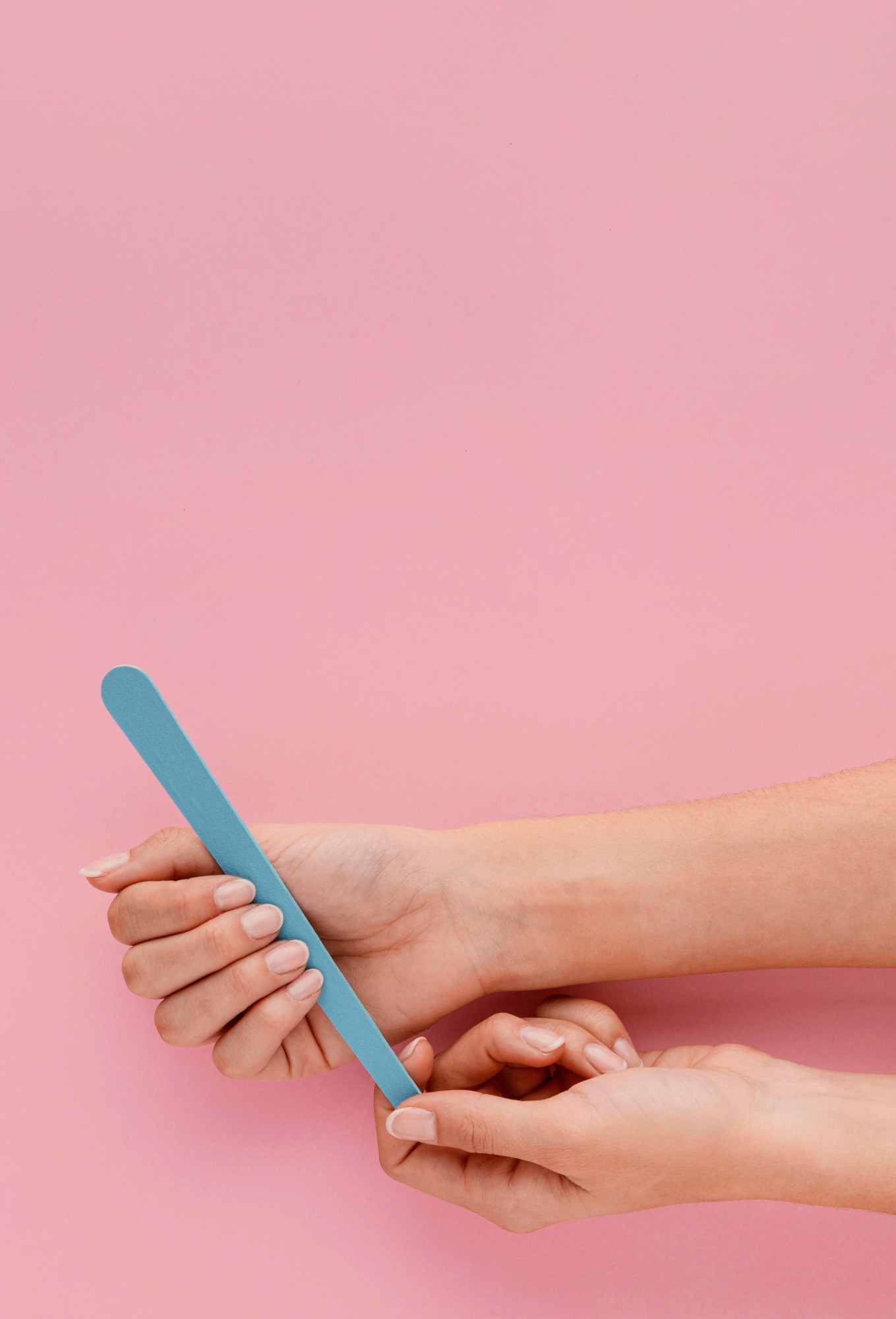
Even a small error when filing can significantly impact the result. Inconsistent angles or pressure often lead to noticeable differences – especially with short nails or French designs.
Included in the training:
-
Controlling file angles for symmetrical results
-
Working with guide lines and visual checks
-
Using measurement tools for precision shaping
4. Product Application Errors
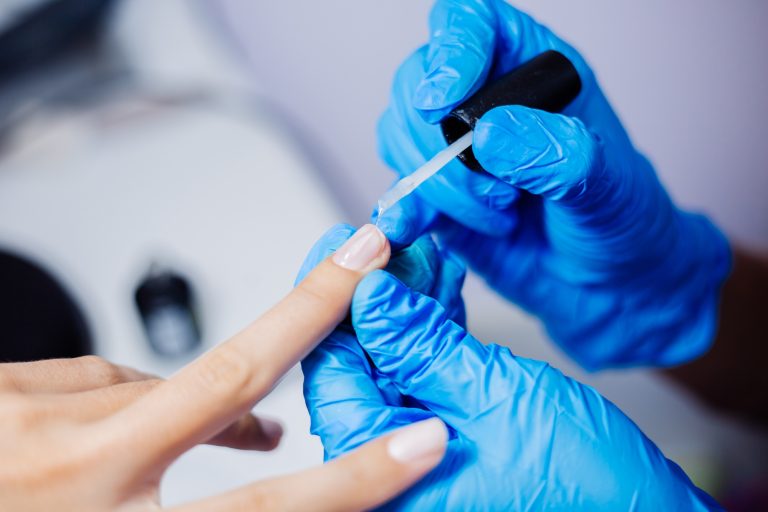
Uneven application of gel, acrylic, or base coat results in height differences that affect the entire shape. Additionally, improper hand positioning during curing under the UV/LED lamp can cause asymmetry.
MONLIS teaches:
-
Consistent application techniques
-
Self-checking and correction during application
-
Proper hand positioning during curing
5. Influence of Hand Dominance
Many beginners work more precisely with their dominant hand. This often results in one hand looking more symmetrical than the other.
MONLIS solution:
-
Specific exercises to train both hands
-
Mirror technique for visual control
-
Use of tools suitable for left-handed users
6. Post-Treatment Behavior of Clients
Client behavior between appointments also plays a role. Cracks, nail biting, or frequent contact with chemicals can distort the nail shape. These damages become visible during the next session and must be corrected.
Client consultation training at MONLIS includes:
-
Educating clients on proper aftercare
-
Creating personalized care plans
-
Communication techniques for client retention
MONLIS School – Where Expertise Meets Precision
At our courses in Munich, we emphasize the combination of theory and hands-on experience. Our students learn not only to identify sources of error but also to prevent them proactively. The ability to analyze and correct symmetry issues is a key part of our curriculum.
Why choose MONLIS School?
-
Certified training focused on perfection
-
Practical lessons with real models
-
Individual mentoring and feedback
Symmetrical nails are not a coincidence – they are the result of solid knowledge, skilled technique, and a trained eye. Those who understand the causes of shape irregularities can not only correct them, but prevent them long-term. At MONLIS School in Munich, you will learn exactly these skills – for a professional future in the beauty industry.
Would you like to learn how to create perfectly shaped nails – whether natural or sculpted?
Then enroll now at MONLIS School – and take your skills to the next level!